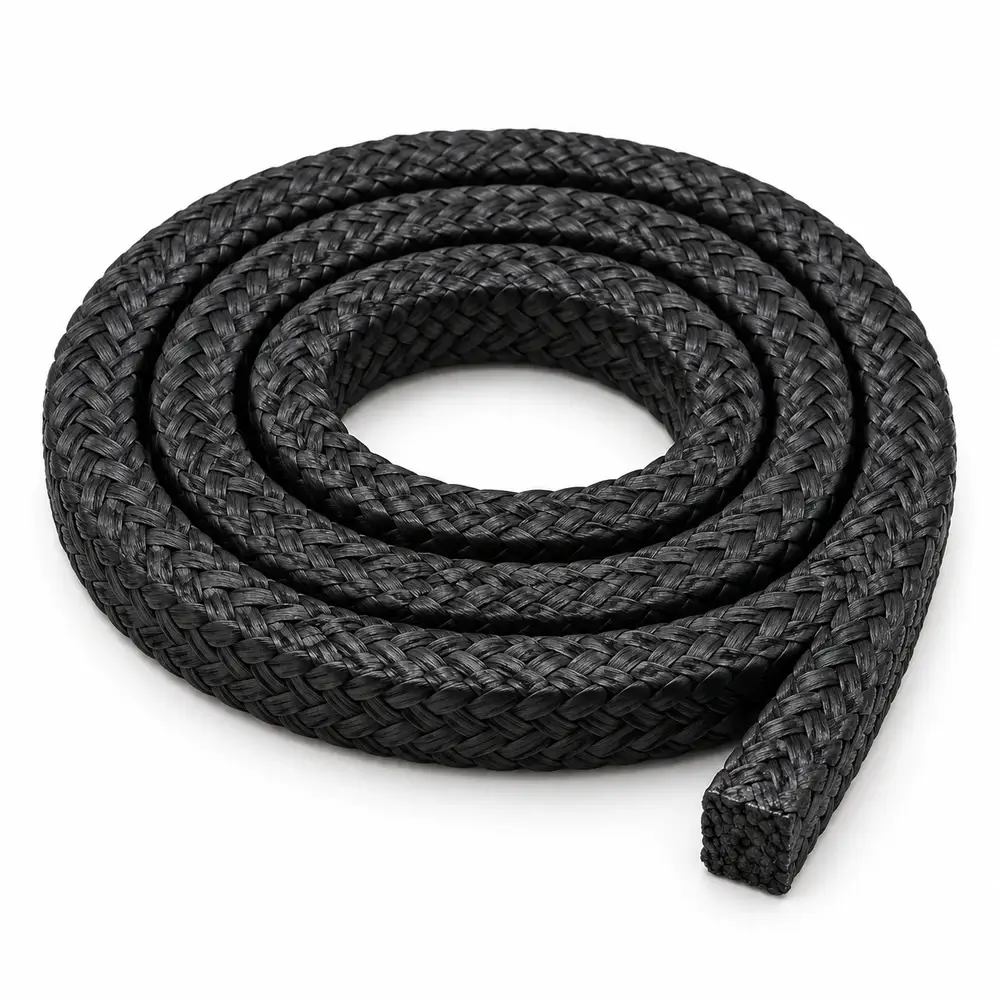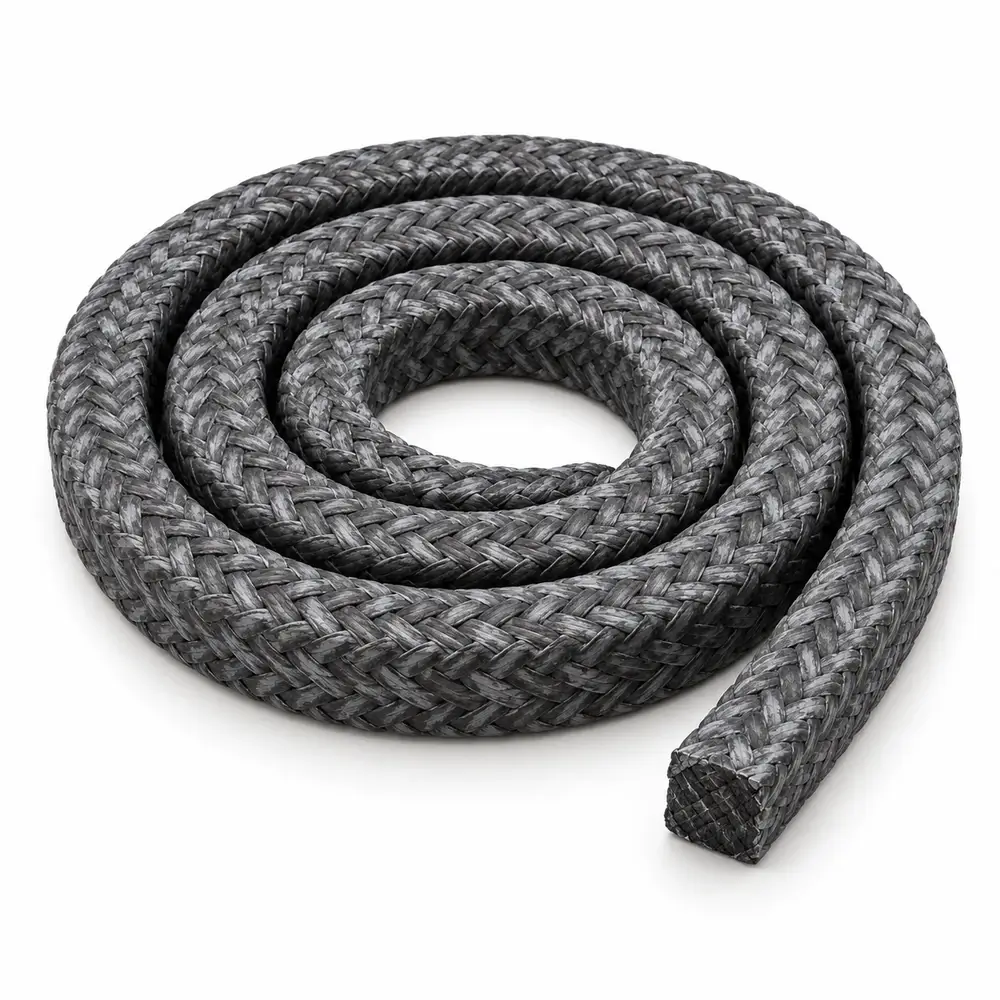
What Are the Key Benefits of Carbonized Fiber Packing with Graphite? For maintenance and procurement teams facing pump leakage, shaft wear, product loss, and unplanned downtime, the answer is not a catalog slogan—it is a measurable reduction in sealing risk. Carbonized Fiber Packing with Graphite combines high-strength carbonized fiber with graphite’s self-lubricating character, giving rotating and reciprocating equipment a compression packing that resists heat, handles aggressive media, and runs with lower friction than many conventional braided packings. The practical benefit appears on the plant floor: fewer gland adjustments, longer service intervals, cleaner floors, lower water or product loss, and less risk of emergency shutdowns. Buyers also see commercial value through repeatable dimensions, stable batch quality, and technical support before and after shipment. At Ningbo Kaxite Sealing Materials Co., Ltd., carbonized fiber packing with graphite is produced for procurement teams who need documented performance, consistent supply, and a sealing partner who understands pump and valve maintenance reality. When the specification is right, this packing helps convert a chronic maintenance headache into a controlled, predictable sealing program.
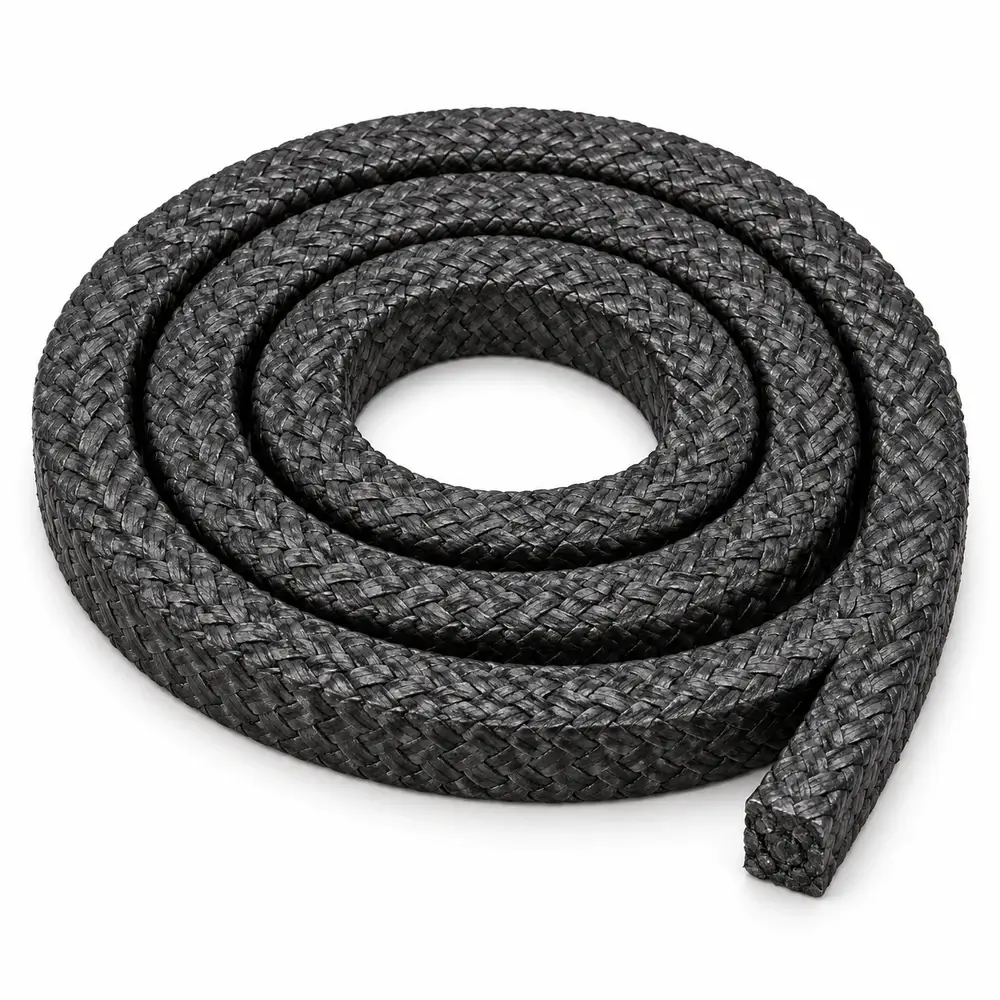
The pain scenario is familiar: a pump starts weeping at the gland, the maintenance team tightens the packing, and within days the shaft sleeve shows scoring or the gland runs hot. Procurement then faces rush orders, inconsistent substitutes, and repeated downtime. The root issue is often not effort but packing choice. A packing that cannot handle heat, chemical attack, or friction will keep demanding attention no matter how carefully it is installed.
The solution is to specify a packing that matches the duty. Carbonized fiber packing with graphite is designed to provide thermal stability, chemical resistance, and self-lubrication in dynamic sealing applications. Graphite helps reduce friction and heat buildup, while carbonized fiber contributes strength and dimensional stability. Ningbo Kaxite Sealing Materials Co., Ltd. supplies this packing with controlled braiding, consistent density, and size options that help buyers avoid the “tighten and hope” cycle.
Q: What Are the Key Benefits of Carbonized Fiber Packing with Graphite for high-pressure pumps?
A: The main benefits are lower friction at the gland, better heat resistance, improved chemical compatibility, and more stable leakage control under pressure. For high-pressure pumps, these benefits can mean fewer adjustments, less shaft wear, and longer intervals between repacking. Kaxite supports buyers with application details, size confirmation, and technical guidance so the packing is matched to pump speed, media, and temperature before the order is placed.
Another common pain point is incomplete data. A buyer may receive a sample and a price, but not the temperature range, pH limits, pressure guidance, or surface finish requirements needed to compare suppliers fairly. That gap creates risk: a packing may look similar but behave very differently after weeks in service. For procurement teams, the safest path is to compare measurable parameters and ask for application support, not just a unit price.
Kaxite helps solve this by presenting clear performance data and confirming the operating envelope with the buyer. The table below gives a practical reference for carbonized fiber packing with graphite; final selection should always be checked against the actual pump or valve duty, media concentration, and installation practice.
| Parameter | Typical Reference | Procurement Value |
|---|---|---|
| Temperature range | -100°C to 650°C, depending on atmosphere and media | Covers high-temperature pump and valve duties when correctly specified |
| pH range | 0–14 in many chemical services | Supports aggressive media planning with confirmed compatibility |
| Pressure guidance | Application-dependent; verify with Kaxite for dynamic and static duties | Reduces over-specification and improper gland loading |
| Shaft speed | Up to approximately 20 m/s, subject to equipment and installation | Helps match packing to pump speed and heat generation |
| Shaft surface finish | Ra 0.4–0.8 µm recommended | Protects sleeve life and supports stable leakage control |
| Friction behavior | Graphite-enhanced self-lubrication | Lower gland heat and reduced adjustment frequency |
The pain scenario here is misapplication. A buyer may use one packing for every pump, mixer, and valve in the plant because it simplifies purchasing. Later, the maintenance team discovers that one service runs too hot, another media attacks the packing, and a third application needs a different braid structure. The result is a store room full of partial spools and a maintenance schedule full of exceptions.
A better solution is to define where carbonized fiber packing with graphite delivers the most value and standardize around that envelope. It is commonly considered for centrifugal pumps, mixers, agitators, valves, and reciprocating equipment handling water, steam, solvents, oils, and selected chemical media. Kaxite works with buyers to confirm media, temperature, pressure, and shaft condition, then recommends dimensions and installation guidance that fit the actual duty.
For plants that need a practical sealing balance, carbonized fiber packing with graphite can be a strong choice when the goal is reduced friction, improved thermal resistance, and dependable chemical performance. It is not a universal answer for every service, but in the right applications it helps maintenance teams move from reactive repairs to planned replacement.
The pain scenario for purchasing managers is invisible risk. Two suppliers quote the same size and price, but one provides stable density, clean braiding, and batch consistency while the other delivers variable quality. The low-price order can become expensive after leakage, shaft damage, and emergency labor. Procurement needs a checklist that evaluates sealing performance and supply reliability together.
Ningbo Kaxite Sealing Materials Co., Ltd. helps solve this by supporting buyers with size confirmation, material selection, sample evaluation, and order documentation. Before releasing a purchase order, confirm media, temperature, pressure, shaft speed, shaft finish, gland type, and required spool length. Ask for batch consistency, packaging protection, and technical contact details. Kaxite’s role is to reduce uncertainty before shipment, so the maintenance team receives a packing that fits the application and the procurement team receives a repeatable supply source.
A controlled sealing program also tracks total cost of ownership: labor hours per repack, downtime cost, water or product loss, sleeve wear, and inventory turns. When these factors are reviewed alongside unit price, the value of a reliable carbonized fiber packing with graphite supplier becomes clear.
Q: What Are the Key Benefits of Carbonized Fiber Packing with Graphite when comparing total cost of ownership?
A: The benefits that influence total cost include longer service intervals, lower friction, reduced shaft wear, better heat resistance, and more predictable leakage control. These factors can reduce labor hours, spare sleeve consumption, product loss, and unplanned downtime. Ningbo Kaxite Sealing Materials Co., Ltd. supports buyers by matching the packing to the operating conditions and providing consistent product dimensions, which helps maintenance teams install with confidence and procurement teams plan repeat orders.
For buyers who need a practical next step, request a technical data sheet, confirm the application details, and evaluate a sample against the current packing. A small trial can reveal gland temperature, adjustment frequency, and leakage behavior before a full plant conversion.
Ningbo Kaxite Sealing Materials Co., Ltd. is a sealing materials supplier focused on practical problem solving for pumps, valves, and rotating equipment. From its product range and technical support, buyers can review carbonized fiber packing with graphite, confirm sizes, and discuss application details with a team that understands procurement deadlines and maintenance realities. Learn more at https://www.carbon-fiber-packing.com and contact [email protected] for product data, samples, and order support.
Zhang, Y., Liu, H., & Wang, J. (2021). Tribological properties of carbon fiber reinforced polytetrafluoroethylene composites under dry sliding. Tribology International, 156, 106855.
Li, X., Chen, Q., & Zhao, M. (2020). Effect of graphite on the friction and wear behavior of carbon fiber reinforced polymer composites. Wear, 456–457, 203389.
Wang, H., Sun, P., & Zhou, L. (2019). Thermal stability and mechanical properties of carbon fiber reinforced composites for sealing applications. Journal of Applied Polymer Science, 136(18), 47452.
Chen, J., Roberts, A., & Miller, D. (2018). Leakage and friction performance of braided packing in centrifugal pumps. Sealing Technology, 2018(7), 7–11.
Kim, S., Park, J., & Lee, M. (2022). Tribological behavior of graphite-filled carbon fiber composites under high temperature. Tribology Letters, 70, 45.
Patel, R., Shah, N., & Mehta, K. (2020). Chemical resistance of carbon fiber packing in aggressive media. Journal of Materials Engineering and Performance, 29(6), 3890–3900.
Müller, A., Weber, T., & Fischer, R. (2017). Compression packing for rotating equipment: reliability and maintenance. World Pumps, 2017(5), 32–36.
Zhao, L., Yang, F., & Xu, B. (2021). Self-lubricating carbon fiber composites for dynamic sealing. Composites Part B: Engineering, 224, 109201.
Gupta, N., Sharma, V., & Rao, P. (2019). Shaft wear and leakage control in pump packing systems. Proceedings of the Institution of Mechanical Engineers, Part J: Journal of Engineering Tribology, 233(9), 1345–1356.
Anderson, K., Brooks, T., & Evans, R. (2020). Performance evaluation of graphite-based packing materials in chemical process pumps. Journal of Failure Analysis and Prevention, 20(4), 1128–1139.