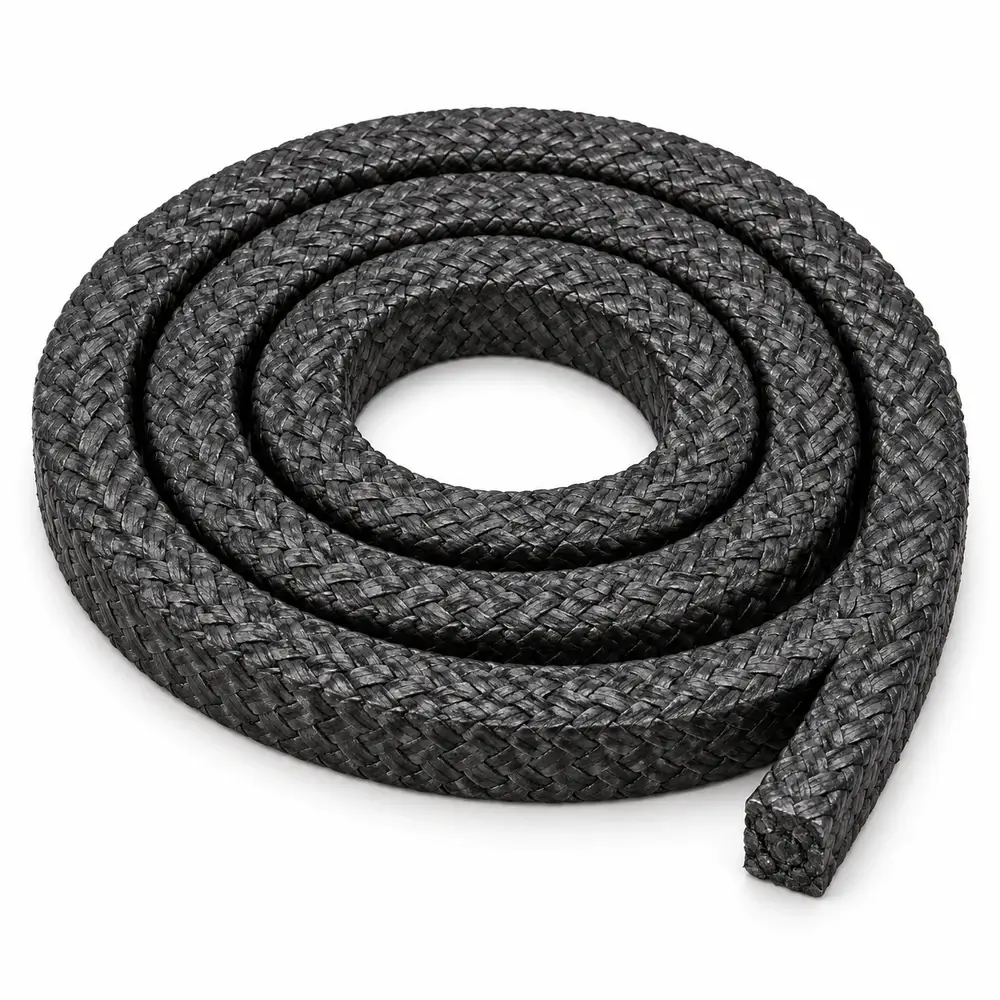
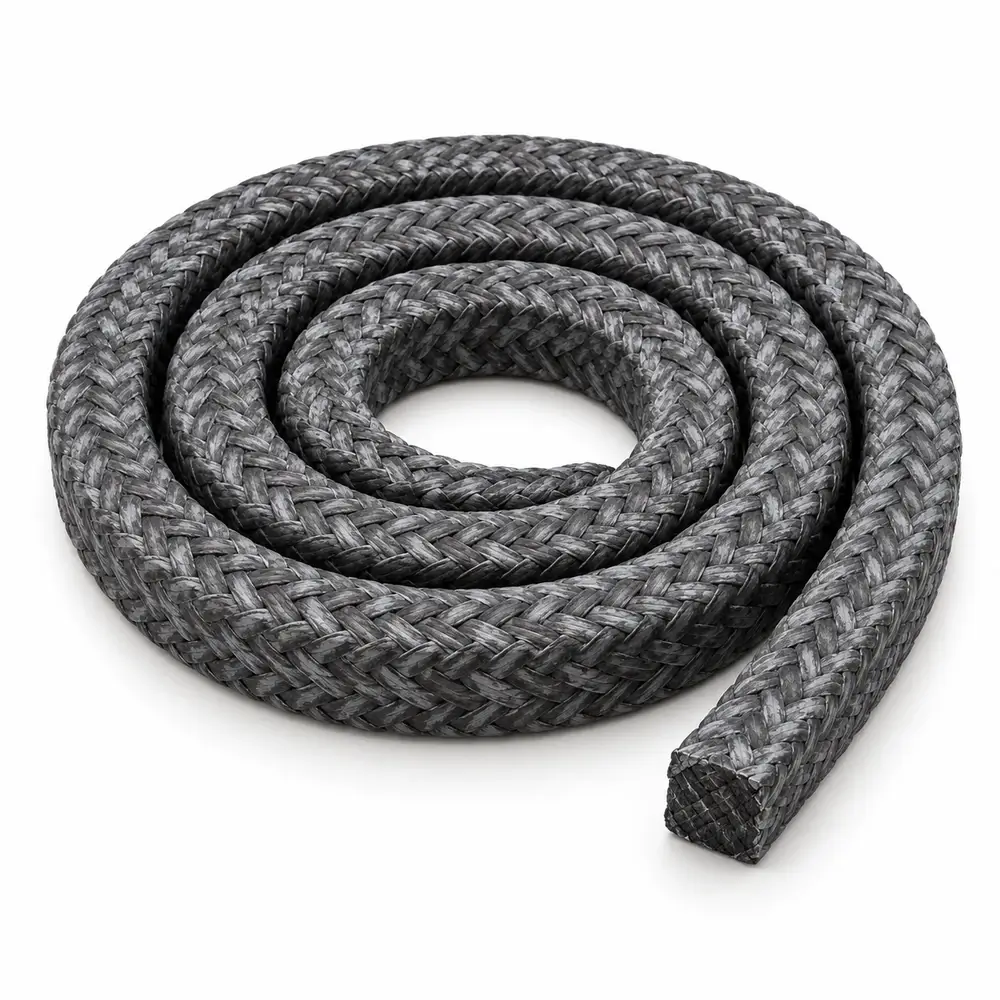
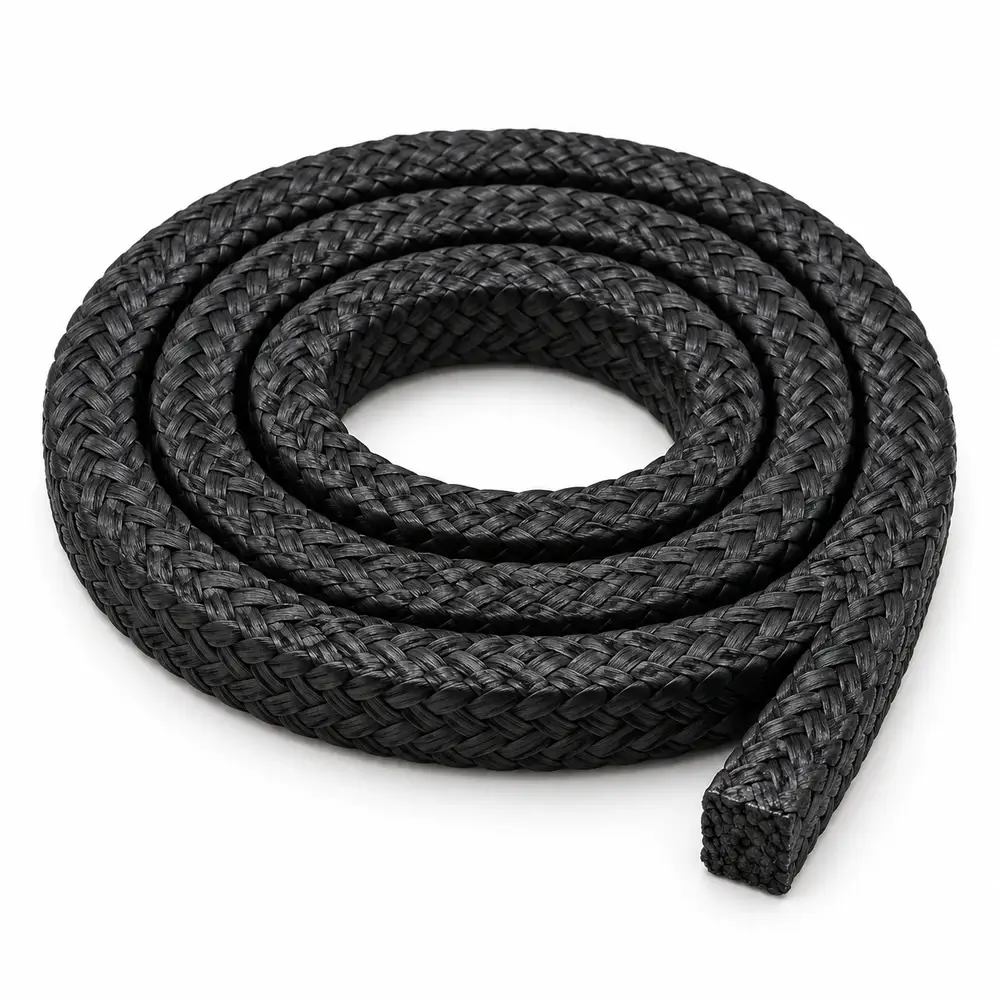
When a seawater cooling line begins to weep at 2 a.m., the last thing a maintenance planner wants is a packing material that swells, hardens, or crumbles after a few chemical washes. Is Carbon Fiber Packing Compatible With Seawater and Chemicals? For purchasing teams evaluating sealing materials for marine, chemical, and process equipment, this is not a theoretical question. It decides downtime, shaft wear, inventory risk, and total cost. Carbon fiber packing can perform well in many seawater and chemical environments because the fiber offers high strength, low creep, and good dimensional stability, but compatibility depends on resin or impregnation, lubricant, braid construction, pH, temperature, chloride level, and the specific chemical. A packing that suits cool seawater may fail in hot caustic or concentrated acid. Ningbo Kaxite Sealing Materials Co., Ltd. helps buyers match carbon fiber packing to real operating conditions instead of relying on a single generic data sheet. The right specification can resist seawater washout, reduce leakage, and simplify maintenance; the wrong one can damage the shaft and create repeat failures. This guide explains how to evaluate compatibility, what parameters to request, and how to avoid costly mismatches.
Quick navigation
Pain point scenario: A procurement officer receives two quotations for carbon fiber packing. Both say “chemical resistant,” yet one is proposed for a seawater transfer pump and the other for a caustic dosing line. Without checking impregnation, lubricant, braid style, and the actual pH and temperature, the buyer may select a packing that leaks, hardens, or wears the shaft within weeks.
Solution: Treat compatibility as an application match, not a generic label. Request the full media composition, continuous and cleaning conditions, shaft speed, pressure, and temperature excursions. Ningbo Kaxite Sealing Materials Co., Ltd. can review these details against the packing construction and help buyers shortlist a carbon fiber packing grade for seawater, acid, alkali, solvent, or mixed chemical service.
| Compatibility factor | Why it matters | Procurement detail to request |
|---|---|---|
| pH range | Acids and alkalis can attack sizing, resin, or lubricants | Continuous pH and cleaning pH, including peaks |
| Temperature | Heat accelerates oxidation, creep, and lubricant loss | Normal, maximum, and excursion temperatures |
| Chloride level | Seawater and brine affect corrosion risk around the stuffing box | Salinity, chloride concentration, and flush water quality |
| Chemical name | Trade names are not enough for compatibility review | Full chemical composition and concentration |
| Shaft speed | Friction heat affects packing life and shaft wear | Surface speed in m/s or ft/min |
| Pressure | High pressure can cause extrusion and leakage | Operating pressure, starts/stops, and pressure spikes |
| Solids and abrasives | Seawater sand or process solids accelerate wear | Particle size, concentration, and filtration |
| Lubrication and impregnation | Impregnants influence sealing and chemical resistance | Required lubricant, impregnation, and compatibility notes |
Pain point scenario: A plant replaces packing during a shutdown, then sees increasing drip rates and a hot stuffing box after restart. The buyer is blamed for choosing a low-cost product, while maintenance discovers that the packing was installed in a chemical stream outside its pH range and with insufficient lantern-ring flush.
Solution: Use failure signals to narrow the root cause before changing suppliers. Seawater service often reveals washout, abrasive wear, and galvanic corrosion around the gland; chemical service often reveals swelling, hardening, or binder degradation. Ningbo Kaxite Sealing Materials Co., Ltd. supports buyers with application questions that connect the failure mode to the right packing specification.
| Failure mode | Early signal | Prevention parameter |
|---|---|---|
| Seawater washout | Loose braid, high drip rate, lubricant loss | Braid density, impregnation, and flush quality |
| Abrasive wear | Shiny shaft, black wear debris, short life | Filtration, solids content, and shaft hardness |
| Chemical swelling | Packing expands, gland tightens, friction rises | Chemical compatibility and pH range |
| Thermal hardening | Brittle rings, cracking, leakage after hot cycles | Temperature limit and lubrication choice |
| Extrusion | Packing migrates from gland, pressure loss | Pressure rating, ring fit, and gland clearance |
| Shaft scoring | Grooves, vibration, noise, seal failure | Shaft finish, runout, and installation technique |
Pain point scenario: A buyer compares carbon fiber packing by price per kilogram and misses the cost of repeat maintenance. A lower-cost packing may need retightening, more flush water, or earlier replacement, which raises labor and spare-part costs in a marine or chemical plant.
Solution: Compare total sealing cost using operating parameters. Ask for the packing size, braid construction, lubricant, impregnation, recommended shaft finish, and installation clearance. A specification that matches the pump duty usually reduces leakage, gland adjustment, and shaft damage. Ningbo Kaxite Sealing Materials Co., Ltd. helps purchasing teams translate process data into a practical specification for quotation and trial.
| Parameter | Target or check | Buyer note |
|---|---|---|
| Packing cross-section | Match stuffing-box size and tolerance | Avoid forcing rings into the gland |
| Braid structure | Dense, uniform braid for sealing and strength | Ask how the braid resists washout |
| Lubricant | Compatible with seawater or chemical media | Confirm cleaning and flushing effects |
| Impregnation | Selected for pH, temperature, and leakage control | Request compatibility notes |
| Shaft finish | Smooth, hard surface within supplier guidance | Check runout and surface roughness |
| Gland pressure | Follow controlled break-in and adjustment | Avoid over-tightening at startup |
| Flush plan | Clean flush where seawater solids or chemicals require it | Confirm lantern-ring position |
| Spare strategy | Stock the approved grade, not mixed substitutes | Keep batch and specification records |
Pain point scenario: A maintenance team has used PTFE, aramid, and graphite packings in different areas, but the buyer needs one reliable choice for a seawater pump and a chemical transfer line. Without a comparison of strength, chemical resistance, heat tolerance, and shaft wear, the decision becomes a guess based on habit.
Solution: Compare materials against the actual duty. Carbon fiber packing can offer high strength and dimensional stability, but the final performance still depends on the impregnation and lubricant system. Use the table below to frame supplier questions, then confirm the recommendation with Ningbo Kaxite Sealing Materials Co., Ltd. before purchase.
| Property | Carbon fiber packing | PTFE packing | Aramid packing | Graphite packing |
|---|---|---|---|---|
| Strength and creep resistance | High | Moderate | High | Moderate |
| Seawater service | Good when correctly impregnated | Good in many cool duties | Good with suitable lubrication | Good with corrosion review |
| Chemical resistance | Depends on binder and impregnation | Broad but limited by pH and temperature | Good in many solvents and oils | Good in many non-oxidizing duties |
| Temperature tolerance | Check grade and oxidation limit | Limited at high temperature | Moderate to high | High in suitable atmospheres |
| Shaft wear risk | Controlled by lubricant and installation | Low to moderate | Moderate | Moderate to high if poorly applied |
| Best procurement fit | High-strength seawater and chemical duties | General chemical and water service | Oils, solvents, and abrasive duties | High-temperature and steam-related duties |
Pain point scenario: A correct packing grade still leaks because rings are cut too short, stacked with misaligned joints, or tightened before break-in. In seawater service, sand and debris can enter the stuffing box; in chemical service, flush water may be missing or incompatible.
Solution: Control installation and startup. Cut rings to the correct length, stagger joints, keep the shaft clean, and follow the supplier’s break-in adjustment. Record leakage and temperature after startup so the buyer and maintenance team can separate installation issues from material compatibility issues. Ningbo Kaxite Sealing Materials Co., Ltd. can help review installation details when a trial does not meet expectations.
| Checkpoint | Recommended practice | Risk if skipped |
|---|---|---|
| Ring length | Cut to shaft diameter and packing size with proper allowance | Gaps, leakage, and uneven pressure |
| Joint stagger | Stagger joints around the shaft | Leak path through aligned joints |
| Stuffing-box cleanliness | Remove old packing, debris, and hardened deposits | Shaft scoring and poor sealing |
| Break-in | Allow controlled leakage and gradual gland adjustment | Overheating and glazing |
| Flush quality | Use compatible, clean flush water where specified | Chemical attack or solids buildup |
| Temperature check | Monitor gland temperature after restart | Hidden friction and premature failure |
| Leakage record | Log drip rate and adjustment frequency | Repeat failures without root cause |
Pain point scenario: A buyer sends a short request for “carbon fiber packing, 10 mm” and receives quotations that cannot be compared. One supplier quotes a general-purpose grade; another quotes a seawater-ready construction; a third omits the lubricant and impregnation. The lowest price may not be the lowest total cost.
Solution: Build a complete RFQ. Include the medium, concentration, pH, temperature, pressure, shaft speed, equipment type, flush plan, and required documentation. Ask for the recommended grade and the limits of use in writing. Ningbo Kaxite Sealing Materials Co., Ltd. supports this process with application-focused selection and clear product information for procurement teams.
| RFQ item | Example answer | Why request it |
|---|---|---|
| Media | Seawater with sand, or 20% caustic solution | Defines chemical and abrasive duty |
| pH | 7.8 to 8.5, or 12 to 13 | Flags acid or alkali exposure |
| Temperature | 25 °C normal, 70 °C peak | Sets oxidation and creep limits |
| Pressure | 6 bar continuous, 10 bar spike | Checks extrusion risk |
| Shaft speed | 5 m/s | Estimates friction heat |
| Equipment | Centrifugal pump or agitator shaft | Confirms installation style |
| Flush plan | Clean water flush with lantern ring | Affects seawater and chemical life |
| Documents | Data sheet, compatibility note, batch record | Supports audit and repeat purchase |
Q1: Is Carbon Fiber Packing Compatible With Seawater and Chemicals in continuous pump service?
A1: It can be compatible when the packing grade is matched to the seawater chemistry, temperature, shaft speed, pressure, and flush conditions. Carbon fiber provides strength and dimensional stability, but the impregnation and lubricant must suit the chloride level and any chemical contamination. For continuous service, buyers should request a written recommendation, confirm the shaft finish, and plan controlled gland adjustment after installation. Ningbo Kaxite Sealing Materials Co., Ltd. can review the duty and help select a carbon fiber packing grade for seawater or mixed chemical service.
Q2: Is Carbon Fiber Packing Compatible With Seawater and Chemicals when pH and temperature fluctuate?
A2: Compatibility may change when pH, temperature, or chemical concentration moves outside the recommended range. A packing that works in cool neutral seawater may not suit hot caustic cleaning, acid slugs, or oxidizing chemicals. The safe approach is to share normal and upset conditions, including cleaning cycles and temperature spikes, then ask the supplier to confirm limits in writing. Ningbo Kaxite Sealing Materials Co., Ltd. helps procurement teams compare the operating envelope with the packing construction so the selected product is not based on a single average condition.
Share the pump duty, chemical list, seawater salinity, temperature, pressure, shaft speed, and current failure pattern. A clear application review helps buyers avoid repeated trials and choose a sealing product with the right construction for the job. Ningbo Kaxite Sealing Materials Co., Ltd. is a sealing materials supplier focused on practical product selection for marine, chemical, and process equipment. The company supports buyers through application review, product specification, and quotation so that carbon fiber packing is matched to real operating conditions rather than a generic description. To discuss a seawater or chemical sealing project, visit https://www.carbon-fiber-packing.com or email [email protected] with your operating details.
Silva, M. A. G., Costa, P. R., & Almeida, J. C., 2021, Effect of seawater immersion on the mechanical properties of carbon fiber/epoxy composites, Journal of Composite Materials, 55(14).
Li, J., Wang, R., & Chen, X., 2020, Chemical resistance and sealing performance of braided carbon fiber packings in aggressive media, Tribology International, 149.
Kumar, S., & Rao, P. V., 2018, Friction and wear of carbon fiber reinforced composites in seawater environment, Wear, 414-415.
Zhang, Y., Liu, H., & Sun, Q., 2022, Durability of carbon fiber composites under chloride-rich and acidic conditions, Polymer Degradation and Stability, 198.
Hassan, M. A., El-Sayed, A. M., & Farouk, R., 2019, Thermal and chemical stability of carbon fiber reinforced sealing materials, Journal of Materials Engineering and Performance, 28(9).
Park, S. J., & Kim, B. J., 2017, Seawater absorption and mechanical degradation of carbon fiber epoxy laminates, Composites Part B: Engineering, 116.
Chen, L., Zhao, K., & Wu, M., 2023, Leakage control and shaft wear in packed pumps handling seawater, Journal of Tribology, 145(6).
Ahmed, T., & Rahman, M., 2020, Chemical compatibility of fibrous packings in caustic and acid service, Industrial Lubrication and Tribology, 72(8).
González, R., Martín, A., & Torres, D., 2018, Oxidation resistance of carbon-based packing materials at elevated temperature, Materials Chemistry and Physics, 213.
Patel, N., & Singh, K., 2021, Procurement parameters for composite sealing materials in marine process plants, Journal of Marine Science and Engineering, 9(5).
-