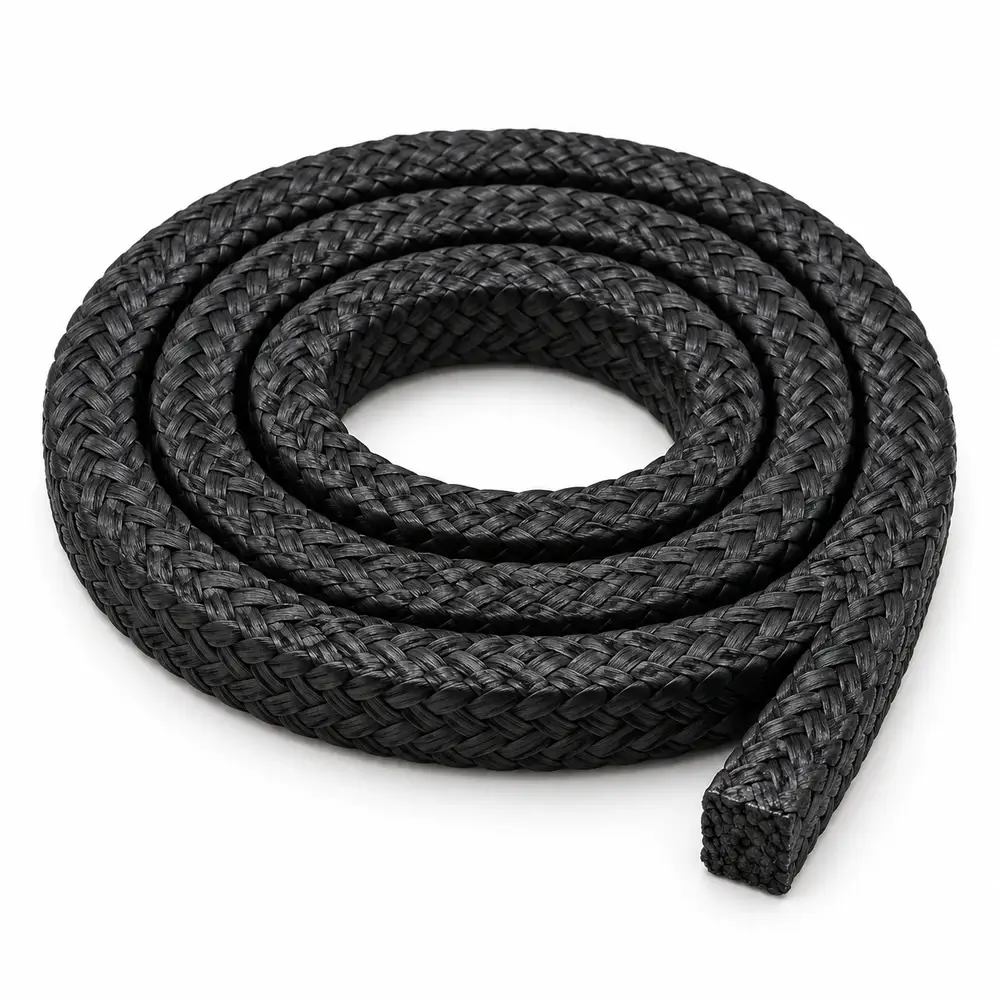
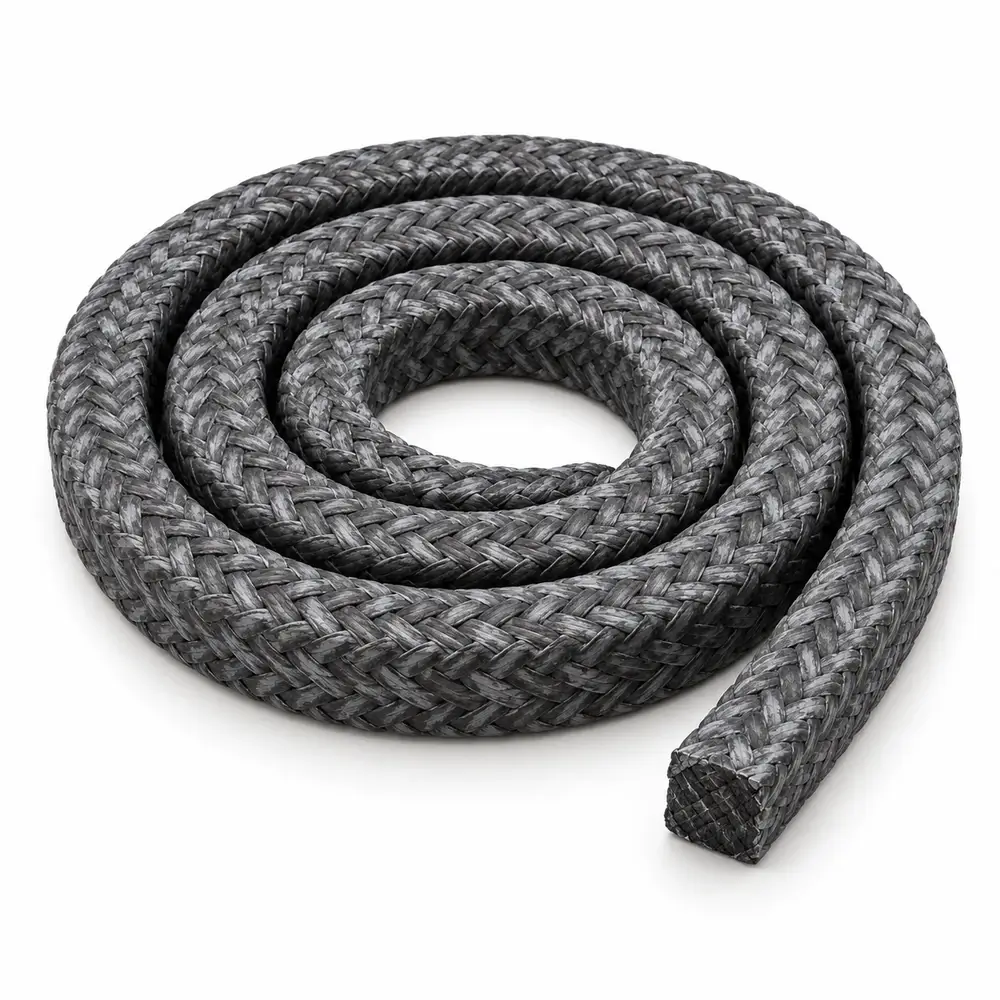
When a maintenance engineer sees a fine black slurry weeping from a pump gland at 2 a.m., the question is rarely academic: How do Carbon Fiber Packings work in sealing applications when the plant cannot afford another hour of downtime? Carbon fiber packings are braided compression seals made from carbonized or carbon fiber yarns, often impregnated with graphite, PTFE, or silicone. They form a flexible, low-friction jacket around a rotating shaft or valve stem. As the gland follower compresses the packing rings, the braid conforms to the shaft and stuffing box, creating a controlled sealing interface. The carbon fibers conduct heat away from the contact zone, resist extrusion under pressure, and maintain dimensional stability where softer packings may glaze or harden. For procurement teams, the appeal is practical: fewer emergency shutdowns, longer repacking intervals, and predictable chemical compatibility. Yet performance depends on correct sizing, installation, and operating limits. A packing that is too loose leaks; one that is too tight overheats the shaft. Ningbo Kaxite Sealing Materials Co., Ltd. helps buyers match carbon fiber packings to pump and valve duties, so the seal works as a system rather than a spare part. This guide explains the mechanism, selection parameters, installation checks, and common failure modes.
Carbon fiber packings work through three linked actions: compression, conformity, and heat transfer. When the gland follower tightens, the braided rings are compressed axially and expand radially against the stuffing box wall and shaft. That radial force creates the seal, while the braid’s woven structure leaves micro-channels that allow a controlled film of media to lubricate the contact faces. Unlike a lip seal, a compression packing is not designed to run completely dry or leak-free; a small, controlled leak carries away friction heat and keeps the fibers from scorching.
The carbon fiber is the load-bearing skeleton. It gives the packing high compressive strength, low creep, and good thermal conductivity, so heat moves from the shaft interface into the stuffing box and gland. Graphite or PTFE impregnants fill the spaces between fibers, reduce friction, and improve chemical resistance. In a pump, the packing must tolerate shaft runout, vibration, and pressure pulses; in a valve, it must handle static or low-motion service and frequent cycling. The same mechanism applies, but the balance of flexibility, extrusion resistance, and gland load changes with the duty.
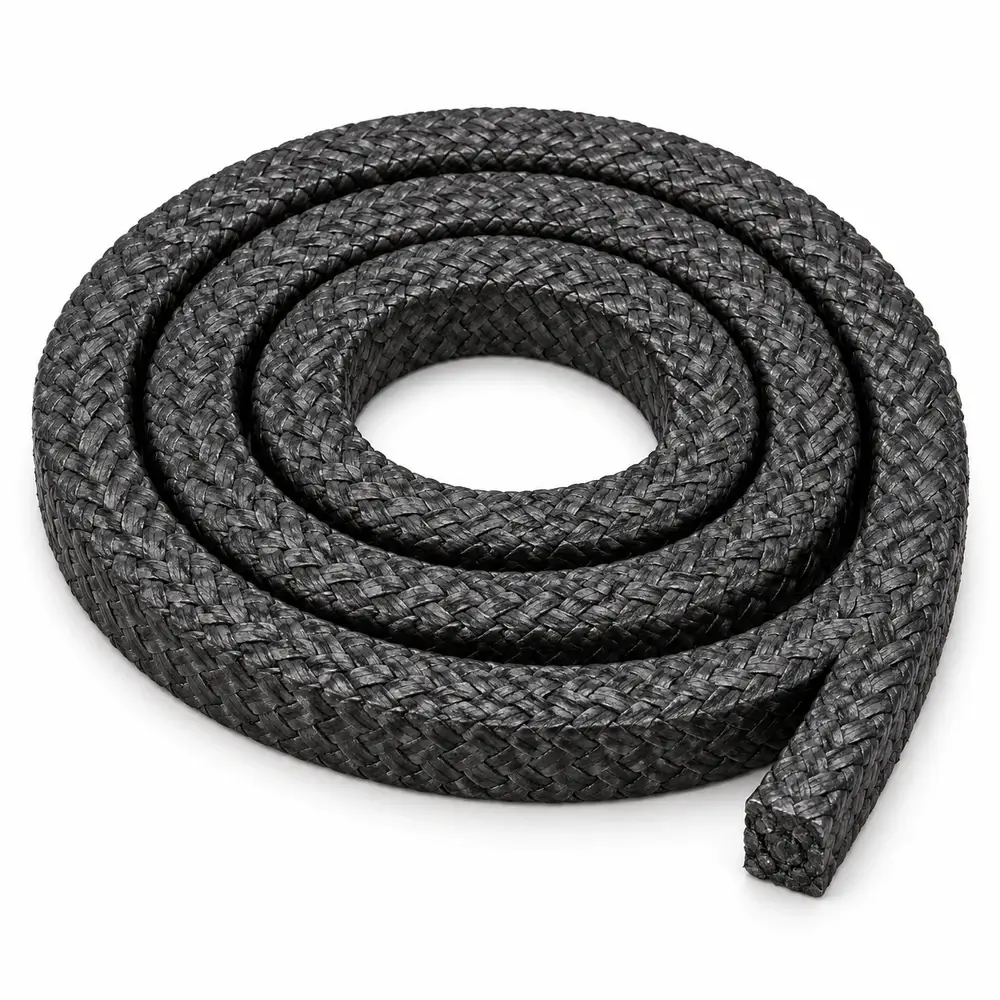
For buyers, the practical takeaway is that carbon fiber packings are not a universal “fit and forget” item. They work best when the stuffing box is in good condition, the shaft surface is smooth and hard enough, and the gland is tightened in stages during break-in. A packing that is oversized, cut at an angle, or installed with aligned joints will leak no matter how good the fiber is.
Imagine a procurement manager at a chemical plant receiving a call from the maintenance supervisor. A critical centrifugal pump has been weeping from the gland for two shifts. The floor is wet, the pump is losing product, and the production team is asking whether to stop the line. The store room has a box of old PTFE packing, but it glazed last time and scored the shaft sleeve. The supervisor wants a quick fix; the buyer needs a seal that will last, not another emergency purchase.
This is where carbon fiber packings earn their place. The pain is not only leakage; it is the cascade of unplanned downtime, shaft sleeve replacement, cleanup, and safety risk. Soft packings may seal initially but harden or extrude under heat and pressure. A carbon fiber packing, correctly selected, resists extrusion and conducts heat away from the gland, reducing the chance of a runaway temperature rise. The solution is to treat the packing as an engineered component: confirm the media, temperature, pressure, shaft speed, and shaft condition before choosing a grade. Ningbo Kaxite Sealing Materials Co., Ltd. supports this step by helping buyers compare braid construction, impregnant, and size against the actual duty, rather than matching only the old part number.
When the gland is already leaking, the first move is not to over-tighten the follower. Over-tightening can convert a leakage problem into a friction and wear problem. The better path is to isolate the pump, inspect the stuffing box and sleeve, replace worn rings, and break in the new packing with a controlled leak. That approach protects the shaft and turns a panic purchase into a planned maintenance event.
The fastest way to choose a carbon fiber packing is to build a short duty profile. Start with equipment type, media, temperature, pressure, shaft speed, and shaft material. Then match the braid and impregnant to the risk. For a general water or mild chemical pump, a graphite-impregnated carbon fiber packing may be sufficient. For a high-pressure valve or a pump with poor cooling, a denser braid with anti-extrusion rings may be needed. For strong acids or oxidizers, the chemical compatibility of the impregnant matters as much as the carbon fiber itself.
| Property | Typical Carbon Fiber Packing Range | Procurement Note |
|---|---|---|
| pH range | 2–12, grade dependent | Confirm with media concentration and temperature; strong oxidizers need a special grade. |
| Temperature | -50°C to 280°C continuous; higher with graphite | Use the actual gland temperature, not the pipe design temperature. |
| Pressure | Up to 25 bar for pumps; higher for valves with proper braid | Add anti-extrusion rings above the limit. |
| Shaft speed | Up to 20 m/s | Check surface speed and cooling; high speed needs lower friction and better heat removal. |
| Shaft hardness | 250–350 HB or ceramic-coated sleeve | A worn sleeve will destroy any packing; inspect before purchase. |
| Gland compression | 15–25% of packing height | Follow OEM torque; tighten in stages during break-in. |
| Leakage target | 5–20 drops/min for pumps; lower for valves | A controlled leak lubricates and cools; zero leakage can cause overheating. |
Price per meter is a poor comparison if it ignores repacking labor and lost production. A lower-cost packing that fails in three weeks can cost far more than a carbon fiber packing that runs for a full campaign. Ningbo Kaxite Sealing Materials Co., Ltd. works with buyers to compare total sealing cost: ring count, installation time, sleeve wear, and expected service interval. That conversation usually changes the specification from “same as before” to a duty-matched packing that solves the leak at its source.
A clear RFQ prevents the most common procurement error: ordering a packing size that fits the box but not the duty. The table below turns a maintenance complaint into data that a sealing supplier can quote against. When buyers send this information with the request, they get a faster recommendation and fewer returns.
| RFQ Data Item | Why It Matters | Example |
|---|---|---|
| Equipment type | Pump and valve duties load the packing differently. | Centrifugal pump, 1450 rpm |
| Shaft diameter | Sets ring size and available compression. | 65 mm |
| Stuffing box depth | Determines the number of rings and lantern ring position. | 8 rings, 10 mm square |
| Media | Drives chemical compatibility and impregnant choice. | 20% sulfuric acid |
| Temperature | Limits fiber, binder, and impregnant selection. | 90°C continuous |
| Pressure | Sets extrusion risk and anti-extrusion requirements. | 8 bar |
| Shaft speed | Controls friction heat and wear rate. | 6.5 m/s |
| Shaft material and finish | Affects sleeve life and packing run-in. | 316L stainless, Ra 0.8 µm |
If the RFQ includes only “carbon fiber packing, 10 mm,” the supplier must guess. With the data above, the buyer can compare grades, confirm availability, and avoid a second purchase after the first trial. That is especially important for MRO teams managing multiple pumps and valves across a site.
Even a premium carbon fiber packing can fail if installation is rushed. The stuffing box must be clean, the shaft sleeve must be smooth, and each ring must be cut square and seated individually. Stagger the joints by 90° to 120° so leakage cannot run straight through the ring set. Do not stack all rings and compress them at once; seat each ring with the gland follower before adding the next. Leave the lantern ring aligned with the flush port if one is used.
| Installation Check | Target | Action |
|---|---|---|
| Stuffing box condition | No old packing, grit, or burrs | Clean with solvent and a soft brush; inspect sleeve. |
| Ring cut | Square, 90° | Cut on a mandrel; do not use a dull knife. |
| Joint stagger | 90°–120° apart | Rotate each ring before seating. |
| Gland load | Finger tight, then staged | Run 30 minutes; tighten 1/8 to 1/4 turn at a time. |
| Leakage after break-in | Controlled drip | Adjust only after temperature stabilizes. |
During break-in, watch the gland temperature and leakage rate. A new carbon fiber packing may run slightly warm while the braid conforms, but a rapid temperature rise or smoke is a sign of over-tightening or inadequate flush. Back off the gland, allow the packing to cool, and re-tighten gradually. Record the final gland position and leakage rate so the next maintenance shift can repeat the result.
When a pump is already leaking, carbon fiber packings work only after the cause is corrected. Isolate the pump, remove the old rings, inspect the shaft sleeve and stuffing box, and replace worn parts. Then install new rings with staggered joints and break them in with a controlled leak. Do not use over-tightening to stop an active leak; that can overheat the packing and damage the sleeve. If the leak continues after correct installation, check for a worn sleeve, excessive shaft runout, wrong packing size, or a chemical incompatibility with the impregnant.
They can, but speed changes the heat balance. Carbon fiber conducts heat better than many soft packings, yet high surface speed still generates friction at the shaft interface. For high-speed pumps, specify a low-friction impregnant, confirm the allowable surface speed, ensure the flush or cooling arrangement is working, and use a hard shaft sleeve. In some cases, a different braid density or a hybrid packing is a better fit. The safe approach is to share the shaft speed, temperature, and flush details with the supplier before ordering.
For procurement teams that need a sealing partner rather than a parts counter, Ningbo Kaxite Sealing Materials Co., Ltd. supplies carbon fiber packings and sealing materials for pumps, valves, and process equipment. The company helps buyers translate duty conditions into a practical packing specification, check chemical and thermal limits, and reduce repeat failures caused by wrong sizing or installation. If your team is dealing with a weeping gland, a worn sleeve, or a packing that keeps hardening, send the equipment data and let the engineers recommend a carbon fiber packing grade that fits the application. Visit https://www.carbon-fiber-packing.com to review product options, or email [email protected] with your shaft diameter, media, temperature, pressure, and speed. Share this guide with your maintenance and purchasing teams so the next repacking job starts with data, not guesswork.
Smith, J. R., & Chen, L. (2018). Thermal and Tribological Behavior of Carbon Fiber Braided Packings in Rotating Equipment. Journal of Tribology, 140(4), 041601.
Wang, H., Liu, Y., & Park, S. (2019). Leakage Control and Friction Characteristics of Carbon Fiber Compression Packings for Pump Shafts. Sealing Technology, 2019(7), 5–11.
Kumar, A., & Sato, T. (2020). Graphite-Impregnated Carbon Fiber Packings under High-Pressure Steam Conditions. Tribology International, 148, 106321.
Müller, P., Becker, R., & Hoffmann, K. (2017). Wear Mechanisms of Braided Carbon Fiber Packings in Chemical Process Pumps. Wear, 376–377, 1120–1128.
Zhang, Q., & Li, M. (2021). Influence of Braid Structure on the Sealing Performance of Carbon Fiber Packings. Journal of Materials Engineering and Performance, 30(9), 6789–6801.
Andersson, E., & Nilsson, B. (2016). Retrofitting PTFE Packings with Carbon Fiber Packings in Pulp and Paper Mills. Tappi Journal, 15(6), 389–396.
Rahman, M. A., & Hossain, M. S. (2022). Finite Element Analysis of Gland Compression in Carbon Fiber Packing Rings. Applied Sciences, 12(14), 7125.
Garcia, P., & Lopez, R. (2015). Chemical Resistance of Carbon Fiber Packings in Acidic and Alkaline Media. Materials Chemistry and Physics, 162, 445–452.
Kim, D. H., & Lee, J. W. (2023). Thermal Conductivity and Heat Dissipation of Carbon Fiber Packings for High-Speed Pumps. Tribology Transactions, 66(2), 278–289.
Ivanov, S., & Petrov, A. (2019). Field Performance of Carbon Fiber Packings in Refinery Valve Stems. Petroleum Science and Technology, 37(12), 1425–1432.
-
-