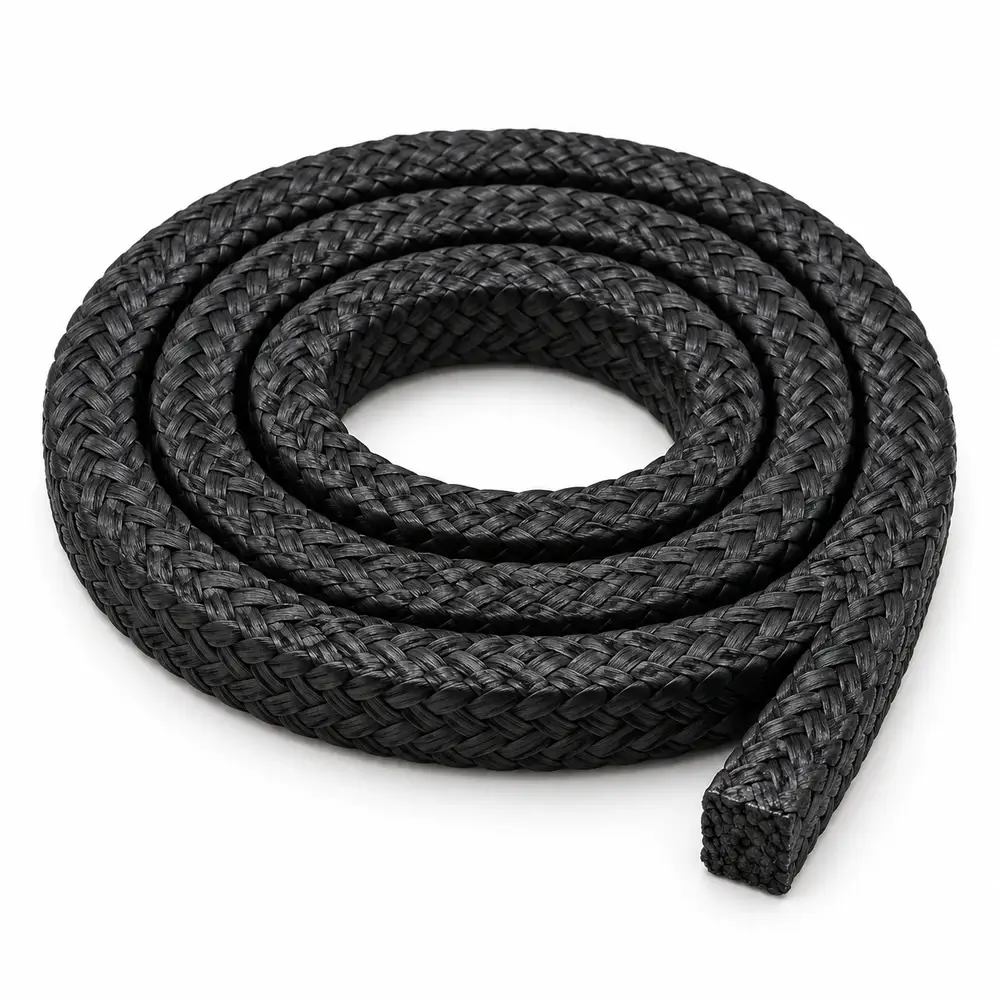
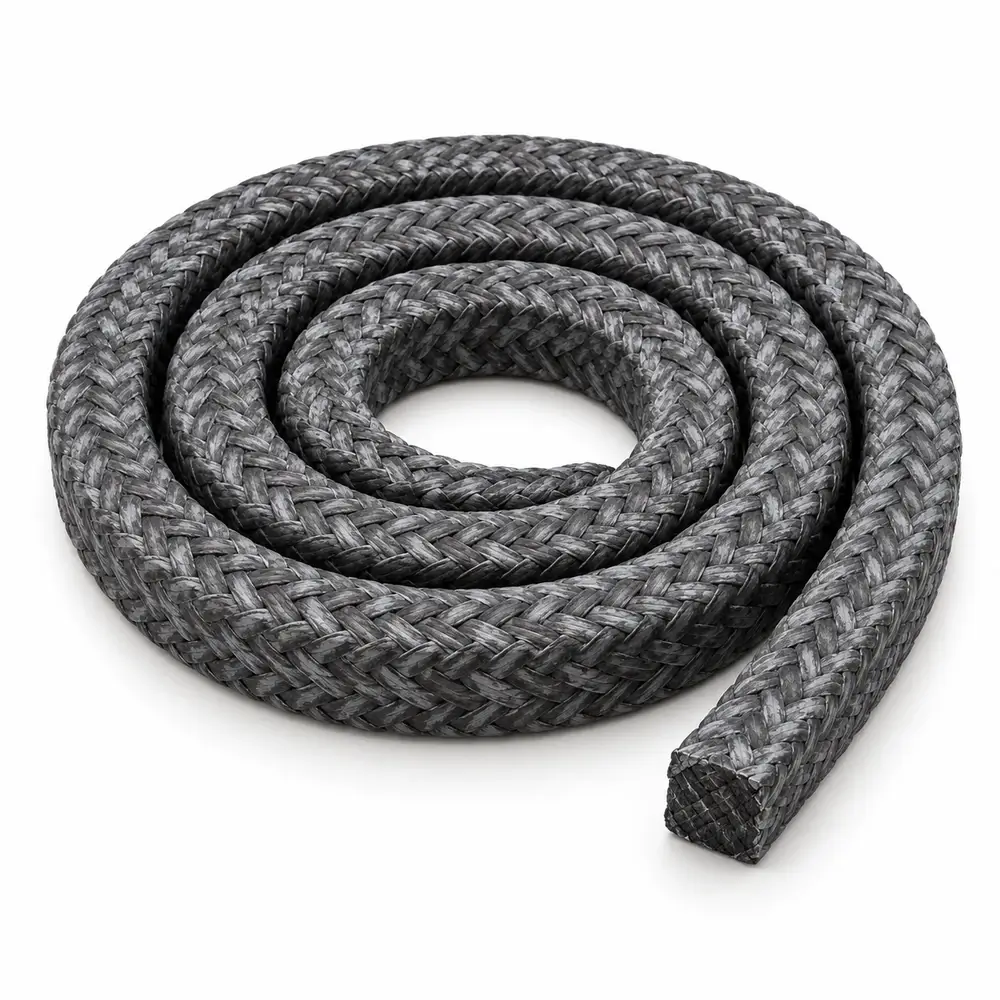
At 2 a.m., a maintenance planner gets a call: the transfer pump is dripping, the gland follower is nearly bottomed out, and production needs the line back online before the next shift. The operator asks a practical question that sounds simple but rarely has a calendar-only answer: How Often Should Carbonized Fiber Packing with Graphite Be Replaced? The honest answer is that replacement depends on duty cycle, shaft condition, media chemistry, temperature, pressure, flush quality, and installation quality. A packing set that lasts eighteen months in a clean water pump may fail in eight weeks in a slurry service with abrasive fines and poor lubrication. Procurement teams should not treat carbonized fiber packing with graphite as a consumable chosen only by price; it is a sealing component that protects shafts, sleeves, bearings, and uptime. In a typical chemical plant, a small leak that is re-tightened every week can look harmless until the sleeve scores or the lantern ring plugs. That is why the replacement decision should be based on inspection records and measurable triggers, not on a fixed “change it every shutdown” habit. Ningbo Kaxite Sealing Materials Co., Ltd. helps buyers turn vague replacement questions into practical maintenance windows by matching graphite-impregnated carbonized fiber packing to pump and valve conditions, then supporting installation and break-in decisions with clear parameter checks. The goal is not to stretch every packing set to failure; it is to replace it at the right moment, before leakage, friction, and shaft wear create a larger repair bill.
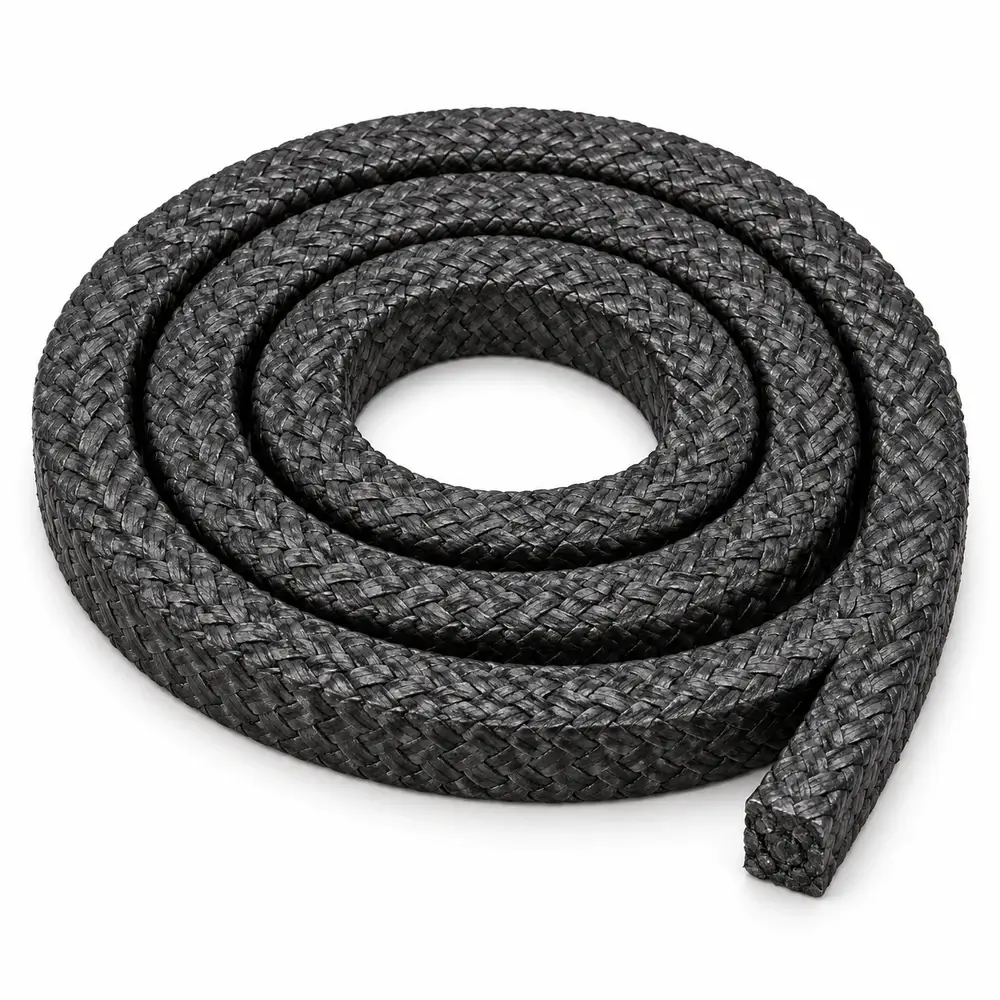
A procurement officer often sees the problem from the invoice side: “Why are we ordering packing again so soon?” The maintenance technician sees a different picture: the gland has been tightened twice this month, the leak rate climbs after each adjustment, and the shaft sleeve is warmer than normal. Carbonized fiber packing with graphite is designed for robust sealing in pumps, valves, mixers, and agitators, especially where thermal stability and graphite lubrication are useful. But no packing material can compensate for a worn shaft, a blocked flush line, or rings installed without proper compression. The first replacement signal is not a calendar date; it is a pattern. A steady drip that cannot be controlled after a careful re-tightening, a gland follower that has reached its travel limit, or a sleeve with visible scoring all point to replacement. A second signal is thermal: if the stuffing box runs hot and the packing hardens, the graphite lubrication film may be breaking down. A third signal is chemical: hardened, swollen, or crusted rings suggest the media, pH, or temperature is outside the expected range. The table below gives buyers and maintenance teams a quick decision guide for carbonized fiber packing with graphite.
| Field symptom | Likely cause | Check before ordering | Action | Replacement urgency |
|---|---|---|---|---|
| Leak persists after careful gland adjustment | Normal wear, low compression, wrong ring count | Leak rate, gland bolt torque, stuffing box depth | Re-torque to spec; replace full set if leak returns within 24 hours | High |
| Gland follower near bottom | Packing consumed, oversized bore, installation loss | Available travel, ring dimensions, squareness | Replace with correct cross-section and ring count | Immediate |
| Sleeve scoring or heat discoloration | Abrasive media, dry running, blocked flush | Shaft roughness, flush pressure, temperature | Replace packing; inspect or replace sleeve | Immediate |
| Hard or crusted rings | Chemical attack, overheating, incompatible media | pH, temperature, concentration, duty cycle | Review grade and operating limits; replace | Planned |
| Weekly re-tightening becomes normal | Wrong packing style, poor installation, worn shaft | Maintenance log, runout, break-in record | Reinstall or switch to suitable graphite-impregnated carbonized fiber packing | Medium |
The pain point is predictable: a plant sets one replacement interval for every pump, then either wastes good packing or runs bad packing too long. A better method is to set inspection intervals by service severity. Clean water at moderate pressure and temperature may allow a longer inspection cycle, while slurry, high temperature, or frequent start-stop operation requires closer checks. The question How Often Should Carbonized Fiber Packing with Graphite Be Replaced? should be answered with a condition-based window: inspect first, measure leakage and gland travel, then decide. For procurement teams, this approach also improves inventory planning because replacement becomes a planned event rather than an emergency purchase. Ningbo Kaxite Sealing Materials Co., Ltd. recommends recording four values at every inspection: leak rate in drops per minute, gland follower position, stuffing box temperature, and shaft or sleeve condition. When these values trend in the wrong direction, the replacement window is closing even if the calendar says the packing is still “new.” The table below offers a practical starting point; adjust it to the actual pump curve, media, and plant safety rules.
| Duty condition | Inspection interval | Typical replacement window | Record to keep |
|---|---|---|---|
| Clean water, low pressure, steady temperature | Every 4–6 months | 12–24 months or when leak control is lost | Leak rate, gland travel, temperature |
| Moderate chemical service, pH 4–10, stable process | Every 3–4 months | 9–18 months depending on media | pH, concentration, leak trend, ring hardness |
| Slurry or abrasive fines present | Monthly | 3–9 months; sleeve inspection is critical | Shaft wear, flush pressure, solids content |
| High temperature or poor lubrication | Every 2–4 weeks until trend is stable | 2–6 months or at first sign of hardening | Box temperature, graphite film condition |
| Frequent start-stop or reversing valve stem | Every 4–8 weeks | 6–12 months; replace at gland travel limit | Cycle count, torque, leakage after cycling |
A buyer’s real problem is not finding a low-cost roll of packing; it is avoiding a mismatch that causes repeated failures. Carbonized fiber packing with graphite can handle many demanding services, but it is not universal. In a caustic transfer pump, chemical compatibility and temperature dominate. In a paper stock pump, abrasion and flush water quality dominate. In a valve stem with low movement, compression set and friction can dominate. The practical solution is to define the service envelope before selecting the replacement interval. Ningbo Kaxite Sealing Materials Co., Ltd. supports this step by reviewing media, temperature, pressure, shaft speed, and equipment type so the packing grade and replacement plan fit the application. The matrix below is a starting guide for procurement and maintenance teams who need to compare replacement windows across common equipment.
| Equipment / service | Key parameters | Suggested replacement window | Buyer note |
|---|---|---|---|
| Centrifugal pump, clean water | ≤120°C; ≤10 bar; neutral pH; good flush | 12–24 months | Track gland travel; do not over-tighten |
| Chemical pump, mild acid or alkali | pH 4–10; ≤150°C; moderate pressure | 9–18 months | Confirm compatibility and concentration |
| Slurry pump with fine solids | Abrasive media; flush quality critical | 3–9 months | Inspect sleeve at every repack |
| Valve stem, low cycling | Friction, compression set, stem finish | 6–12 months | Replace at gland travel limit |
| Mixer or agitator, moderate duty | Runout, vibration, lubrication | 6–18 months | Check shaft runout before ordering |
The most expensive replacement is the one that fails early because installation repeated the same mistake. A common scene: maintenance installs new carbonized fiber packing with graphite, starts the pump, sees a small leak, and immediately tightens the gland until the leak stops. The packing overheats, graphite lubrication breaks down, and the next failure arrives in weeks. The solution is a controlled break-in. Cut rings squarely, install them one by one, stagger joints about 90 degrees, and keep the lantern ring aligned with the flush port. Tighten the gland evenly, then allow a controlled leak during break-in according to plant practice. Re-check temperature and leakage after the first few hours and again after the first week. For procurement teams, the best defense against early failure is to buy the correct size and grade, then document the installation parameters. The table below lists the checks that matter most.
| Step | Target parameter | Check |
|---|---|---|
| Ring size and cut | Square cut; correct cross-section; no gap | Fit in stuffing box without force |
| Joint placement | Staggered about 90° | No aligned joints across rings |
| Lantern ring alignment | Centered on flush port | Flush flow confirmed before startup |
| Gland torque | Even, gradual, per procedure | No cocked gland; follower moves freely |
| Break-in | Controlled leak; stable temperature | Re-check after 2–4 hours and 7 days |
Q1: How Often Should Carbonized Fiber Packing with Graphite Be Replaced in a centrifugal pump?
A1: In a clean water centrifugal pump with good flush and a healthy shaft, a practical replacement window is often 12–24 months, but the decision should be triggered by leakage trend, gland travel, and sleeve condition. In slurry or high-temperature service, the window can fall to 3–9 months. Inspect monthly in severe duty and replace when the gland follower nears its travel limit or leakage cannot be controlled without overheating.
Q2: Can Carbonized Fiber Packing with Graphite Be Reused After Re-Lubrication or Repacking?
A2: Reusing old rings is rarely worth the risk. Once carbonized fiber packing with graphite has hardened, lost graphite lubrication, or taken a compression set, it will not recover its sealing behavior. Re-lubrication may reduce friction briefly, but it does not restore dimensional fit. For reliable service, install a new set, confirm shaft condition, and follow a controlled break-in procedure.
Ningbo Kaxite Sealing Materials Co., Ltd. works with procurement teams, maintenance planners, and plant engineers who need practical sealing answers rather than generic recommendations. The company supplies carbonized fiber packing with graphite and related sealing materials for pumps, valves, mixers, and process equipment, and helps buyers match grade, size, and replacement intervals to real operating conditions. If your team is comparing replacement windows, send the media, temperature, pressure, shaft speed, and equipment type to [email protected], and review product details at https://www.carbon-fiber-packing.com. Ningbo Kaxite Sealing Materials Co., Ltd. can help turn a recurring leak problem into a planned maintenance decision with clearer parameters and fewer emergency orders.
Müller, H., & Schmidt, R. (2018). Tribological behavior of graphite-impregnated carbon fiber packings in rotary pumps. Sealing Technology, 2018(6), 7–12.
Wang, L., Chen, Y., & Zhao, Q. (2020). Friction and wear of carbonized fiber braided packing under dry and slurry conditions. Tribology International, 145, 106–115.
Smith, J. A., & Brown, K. (2017). Compression packing maintenance intervals for chemical plant pumps. Journal of Process Mechanical Engineering, 231(4), 389–398.
Patel, R., & Kumar, S. (2019). Effect of graphite content on thermal stability of carbon fiber sealing composites. Polymer Composites, 40(8), 3121–3130.
Anderson, P., & Lee, M. (2021). Leakage control and shaft wear in graphite packing systems. Wear, 476, 203–212.
Zhao, Y., Liu, H., & Sun, F. (2016). Chemical resistance of carbonized fiber packings in acidic and alkaline media. Journal of Materials Engineering and Performance, 25(9), 3784–3792.
Garcia, M., & Rossi, F. (2022). Service life prediction for braided compression packings in valve stems. Sealing Technology, 2022(3), 5–11.
Chen, X., & Li, W. (2015). Influence of surface finish on packing friction and sleeve wear. Tribology Transactions, 58(2), 267–275.
Novak, J., & Petrov, D. (2020). Inspection intervals for graphite-impregnated packings in pulp and paper pumps. TAPPI Journal, 19(7), 355–364.
Kim, S., & Park, J. (2023). Comparative study of aramid, PTFE, and carbonized fiber packings in seawater service. Ocean Engineering, 270, 113–124.
-