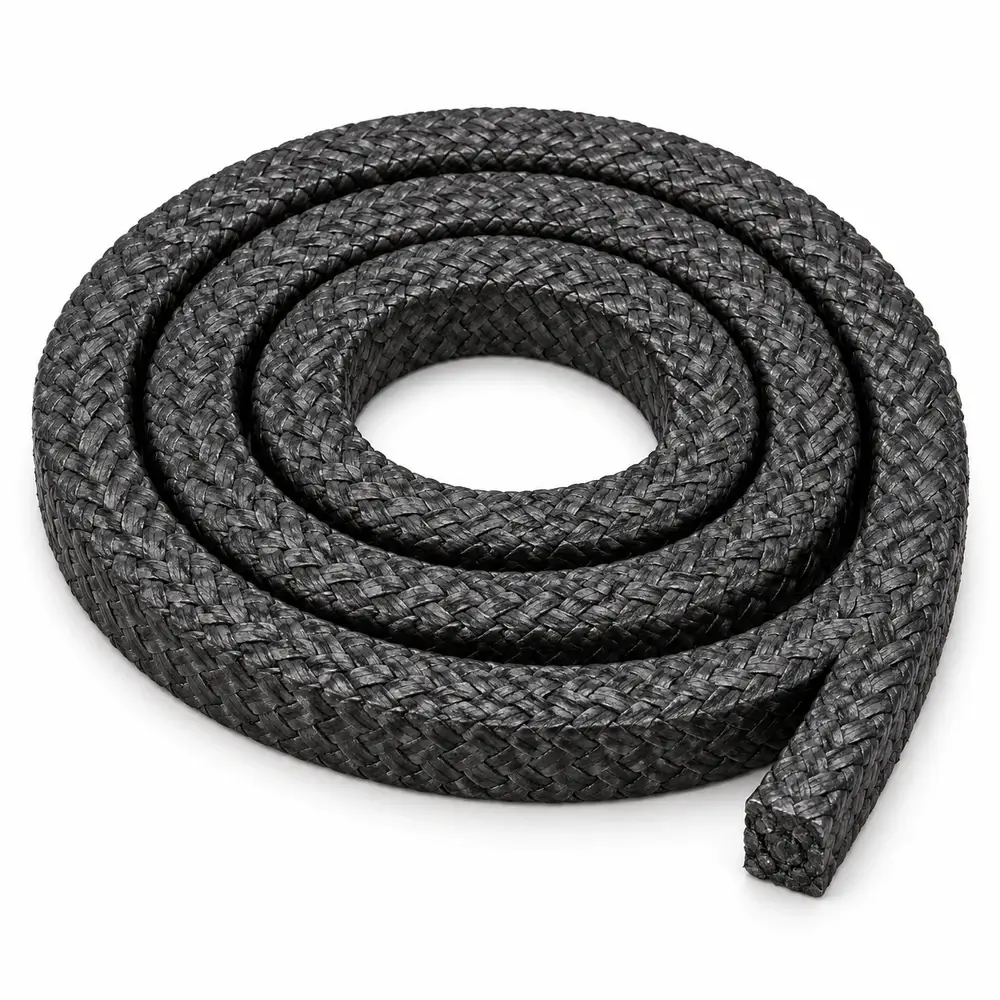
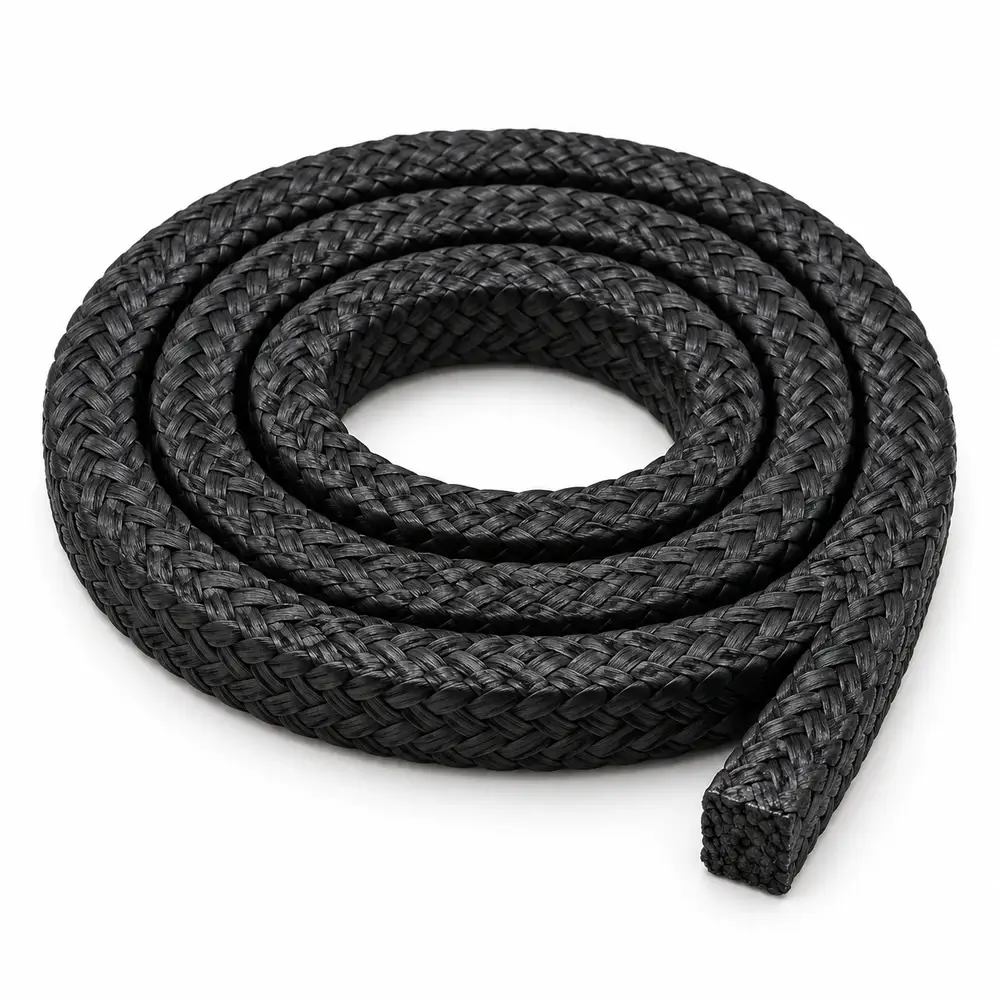
Is Carbonized Fiber Packing with PTFE Suitable for Pumps and Valves? For many plant buyers, maintenance engineers, and MRO procurement teams, this question appears at the exact moment when a leaking pump shaft or a stubborn valve stem begins to disrupt production. A carbonized fiber packing with PTFE is generally suitable for pumps and valves when the application calls for strong compression, good thermal stability, low friction against metal shafts, and reliable sealing under moderate chemical exposure. The carbonized fiber body provides mechanical toughness and heat resistance, while the PTFE dispersion reduces friction and improves the packing's ability to conform to gland surfaces. That balance makes it a practical choice for centrifugal pumps, reciprocating pumps, gate valves, globe valves, and other rotating or reciprocating equipment where steam, water, solvents, mild acids, and many process fluids are present. However, suitability is not automatic: shaft speed, pressure, temperature, fluid chemistry, gland clearance, and installation method all influence service life. Buyers should compare the packing's pressure and temperature limits with actual operating conditions, confirm compatibility with the pumped fluid, and verify that the gland hardware can apply uniform compression. When selected correctly and installed with clean, concentric surfaces, carbonized fiber packing with PTFE can deliver dependable sealing, fewer adjustments, and lower maintenance downtime. Ningbo Kaxite Sealing Materials Co., Ltd. supports this selection process with application guidance and sealing materials designed for industrial pump and valve service.
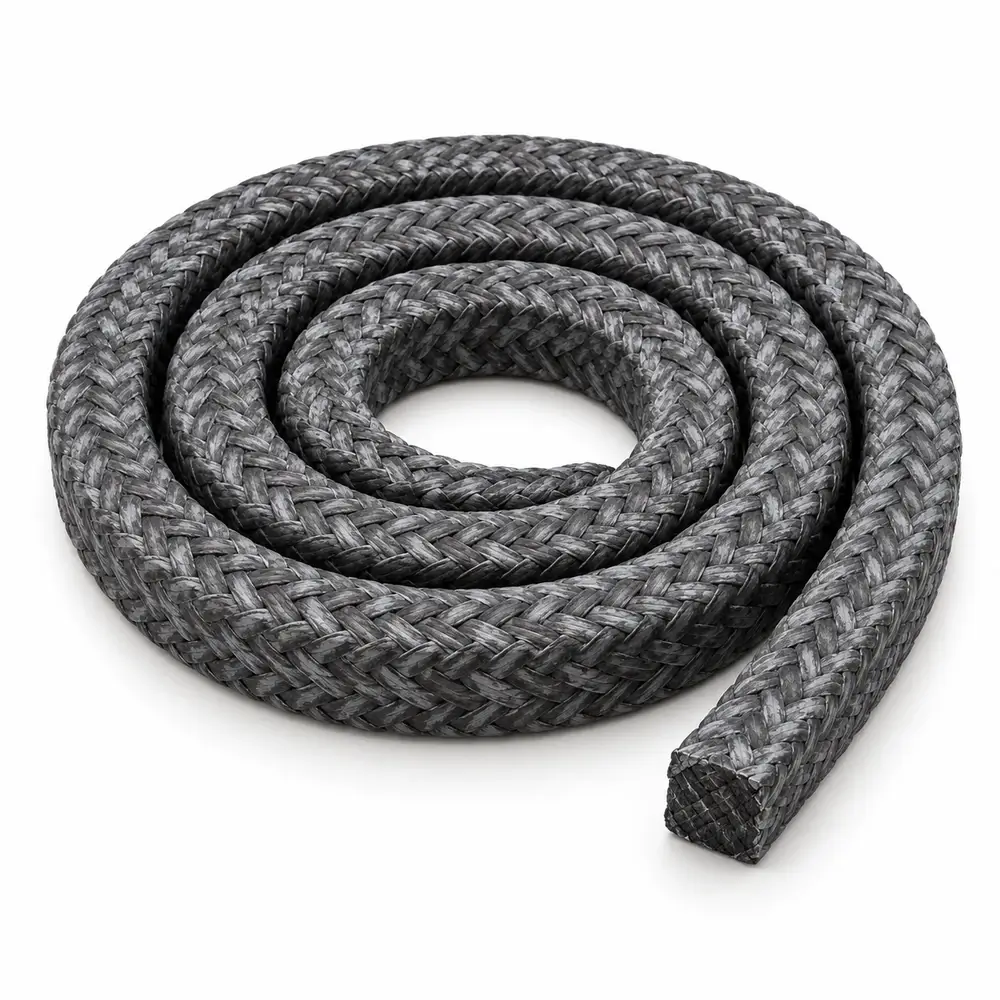
Pain scenario: A maintenance team replaces a pump gland packing, then finds the same shaft sleeve wet again after a short run. The buying team is asked whether the material was wrong, whether the gland was over-tightened, or whether the process fluid attacked the packing. This is common when carbonized fiber packing with PTFE is purchased without matching temperature, pressure, pH, and shaft speed to the actual service.
Solution: Treat the packing as a system, not a shelf item. Carbonized fiber packing with PTFE works well when the gland has enough room, the shaft or stem is smooth and concentric, and the compression is applied gradually. For pump and valve buyers, the fastest path is to collect operating data first, then compare it with a technical datasheet. Ningbo Kaxite Sealing Materials Co., Ltd. helps buyers close that gap by reviewing application details before recommendation, so the chosen packing fits the equipment rather than only the purchase order.
| Parameter | Typical Buyer Check | Why It Matters |
|---|---|---|
| Temperature | Confirm continuous and peak values | Prevents binder degradation and excess shrinkage |
| Pressure | Compare with gland and equipment limits | Supports reliable compression and sealing |
| pH range | Match fluid chemistry to packing compatibility | Reduces swelling, hardening, and leakage risk |
| Shaft or stem speed | Check surface speed against packing guidance | Controls friction heat and wear |
| Gland condition | Inspect clearance, bolts, and surface finish | Improves load distribution and service life |
Pain scenario: A centrifugal pump in a water or process line shows drip loss at the stuffing box. Operators tighten the gland, the drip slows, but the sleeve runs hot. Later, the leak returns and the maintenance window expands. Procurement then faces urgent requests for a packing that can handle both sealing and friction without frequent retightening.
Solution: Carbonized fiber packing with PTFE is a practical candidate for many pump shafts because the carbonized fiber gives strength while PTFE lowers friction. The key is controlled leakage for lubrication and cooling, not a dry-running gland. Buyers should share pump model, shaft diameter, stuffing box depth, fluid, temperature, pressure, and speed. Ningbo Kaxite Sealing Materials Co., Ltd. can use those details to support packing size, ring count, and installation advice, helping maintenance teams avoid repeated over-tightening and premature sleeve wear.
| Pump Detail | Procurement Question | Expected Benefit |
|---|---|---|
| Centrifugal pump | Is the fluid compatible with PTFE and carbon? | Stable sealing in common process service |
| Reciprocating pump | Does the gland need extra flexibility? | Better conformity to shaft movement |
| High shaft speed | Is friction heat controlled? | Lower risk of hardening and sleeve scoring |
| Steam or hot water | Are peak temperatures known? | More confident material selection |
| Frequent starts | Can the packing recover after cycling? | Fewer adjustment calls |
Pain scenario: A gate valve or globe valve leaks at the stem, and the repair competes with production time. The gland may be unevenly tightened, the stem may be pitted, or the packing may be too hard for the application. Buyers often need a replacement that can be cut and fitted quickly while still holding under pressure and temperature changes.
Solution: Carbonized fiber packing with PTFE suits many valve stems because it can be formed into rings, compressed in the gland, and run with low friction. For valves that see cycling, steam, water, or mild chemicals, the packing should be selected with the stem finish, packing space, and bolting condition in mind. Ningbo Kaxite Sealing Materials Co., Ltd. supports valve buyers with practical material guidance, helping them choose a packing that reduces stem drag, limits leakage, and fits the maintenance team's installation method.
| Valve Detail | Buyer Check | Sealing Impact |
|---|---|---|
| Gate valve | Stem surface smooth and straight? | Better contact and lower leakage |
| Globe valve | Gland space and ring fit confirmed? | Uniform compression |
| Steam service | Temperature rating reviewed? | Reduced hardening risk |
| Chemical line | Fluid compatibility verified? | Less swelling or attack |
| Frequent operation | Friction and stem drag considered? | Smoother movement and control |
Pain scenario: A purchasing officer receives three quotes for carbonized fiber packing with PTFE, but the datasheets use different formats. One lists maximum temperature, another lists pH, and a third mentions shaft speed only in a footnote. Choosing by price alone can create downtime that costs far more than the packing.
Solution: Use a simple selection matrix and ask suppliers to confirm each line in writing. The matrix below reflects the kind of application review that Ningbo Kaxite Sealing Materials Co., Ltd. performs for pump and valve buyers: clear operating data in, practical sealing recommendation out. When a service condition falls outside a standard range, the buyer should request an alternative rather than force the packing beyond its limit.
| Selection Factor | Buyer Input Needed | Recommended Action |
|---|---|---|
| Fluid type | Water, steam, solvent, mild acid, oil | Confirm chemical compatibility before order |
| Temperature | Normal and peak operating values | Keep continuous service within rating |
| Pressure | Suction, discharge, or line pressure | Check gland and equipment limits |
| pH | Typical and upset conditions | Avoid aggressive service without review |
| Motion | Rotating shaft or reciprocating stem | Match packing style to movement |
| Maintenance window | Planned shutdown or urgent repair | Order correct size and ring count early |
Pain scenario: Two plants buy the same carbonized fiber packing with PTFE. One gets long service; the other reports leakage within days. The difference is often installation: dirty stuffing boxes, mismatched ring sizes, diagonal cuts that do not seal, or gland bolts tightened too fast. The buyer sees a material complaint, while the root cause is fit and compression.
Solution: Ask for installation guidance with the quotation. Clean the stuffing box, check shaft or stem runout, cut rings to the correct size, stagger joints, and tighten the gland gradually while running the equipment. A small amount of controlled leakage is normal for many pump packings and helps lubrication. Ningbo Kaxite Sealing Materials Co., Ltd. can advise on ring count, cut method, and tightening practice so that the packing's material advantages are not lost during fitting.
| Installation Step | Common Problem | Practical Control |
|---|---|---|
| Box cleaning | Old packing or debris left inside | Clean all surfaces before fitting |
| Ring cutting | Wrong length or square ends | Use a diagonal cut and correct size |
| Joint placement | Joints aligned in one line | Stagger joints around the shaft |
| Gland tightening | Sudden over-compression | Tighten evenly in small steps |
| Break-in | Dry running or excess heat | Monitor temperature and leakage |
Group 1 — Q: Is Carbonized Fiber Packing with PTFE Suitable for Pumps and Valves?
A: Yes, it is often suitable for pumps and valves when the operating temperature, pressure, pH, fluid chemistry, and shaft or stem speed are within the packing's recommended range. It is especially useful where buyers want a compression packing with good mechanical strength and reduced friction. It is not a universal substitute for every service; aggressive chemicals, very high speeds, or damaged gland hardware require application review. Ningbo Kaxite Sealing Materials Co., Ltd. can review the service details and confirm whether this packing is the right fit.
Group 2 — Q: What should a procurement team verify before ordering carbonized fiber packing with PTFE?
A: Verify the equipment type, shaft or stem diameter, stuffing box dimensions, fluid name, concentration, temperature, pressure, pH, speed, and gland condition. Ask for a datasheet that states limits clearly, and confirm that the supplier can support sizing and installation questions. A low unit price can become expensive if the packing is outside its service window or if rings are cut incorrectly. Buyers who send complete application data to Ningbo Kaxite Sealing Materials Co., Ltd. receive a more focused recommendation and fewer order revisions.
Share your pump model, valve size, fluid, pressure, temperature, shaft speed, and gland details with our team to receive a practical packing recommendation for your maintenance or procurement project. Clear application data helps reduce guesswork, avoid wrong-size orders, and keep sealing work on schedule.
Ningbo Kaxite Sealing Materials Co., Ltd. is a sealing materials supplier focused on industrial packing and sealing solutions for pumps, valves, and process equipment. Through https://www.carbon-fiber-packing.com, buyers can review product information and send application details for support. For direct purchasing and technical questions, contact [email protected]. The company helps procurement teams and maintenance engineers match carbonized fiber packing with PTFE to real operating conditions, reduce sealing-related downtime, and choose the right packing for pumps and valves.
Smith, J. R., and Patel, M. (2018). Friction and wear behavior of PTFE-impregnated compression packings in rotating equipment. Journal of Tribology, 140(3).
Wang, L., Chen, H., and Zhao, Y. (2019). Thermal stability of carbon fiber reinforced sealing materials for industrial valves. Materials Performance, 58(7).
Brown, K. A., and Wilson, P. (2017). Gland packing selection for centrifugal pumps in chemical service. Sealing Technology, 2017(5).
Garcia, R., and Lee, S. (2020). Leakage control and compression behavior of PTFE-treated fiber packings. Journal of Materials Engineering and Performance, 29(4).
Anderson, T., and Kumar, V. (2016). Performance evaluation of carbonized fiber packings in steam valve applications. Industrial Lubrication and Tribology, 68(2).
Martinez, E., and Zhou, Q. (2021). Chemical compatibility of PTFE dispersion in compression packing systems. Journal of Applied Polymer Science, 138(12).
Thompson, B., and Rao, N. (2015). Shaft sleeve wear caused by over-tightened packing glands. Pump Engineering Journal, 2015(9).
Li, X., and Park, J. (2022). Friction coefficient of carbon fiber and PTFE blended sealing composites. Tribology International, 168.
Davis, M., and Fischer, A. (2014). Installation practice and service life of valve stem packings. Valve World, 19(6).
Ibrahim, S., and Novak, P. (2023). Selection criteria for compression packing in pump and valve maintenance. Journal of Industrial Sealing, 41(1).
-