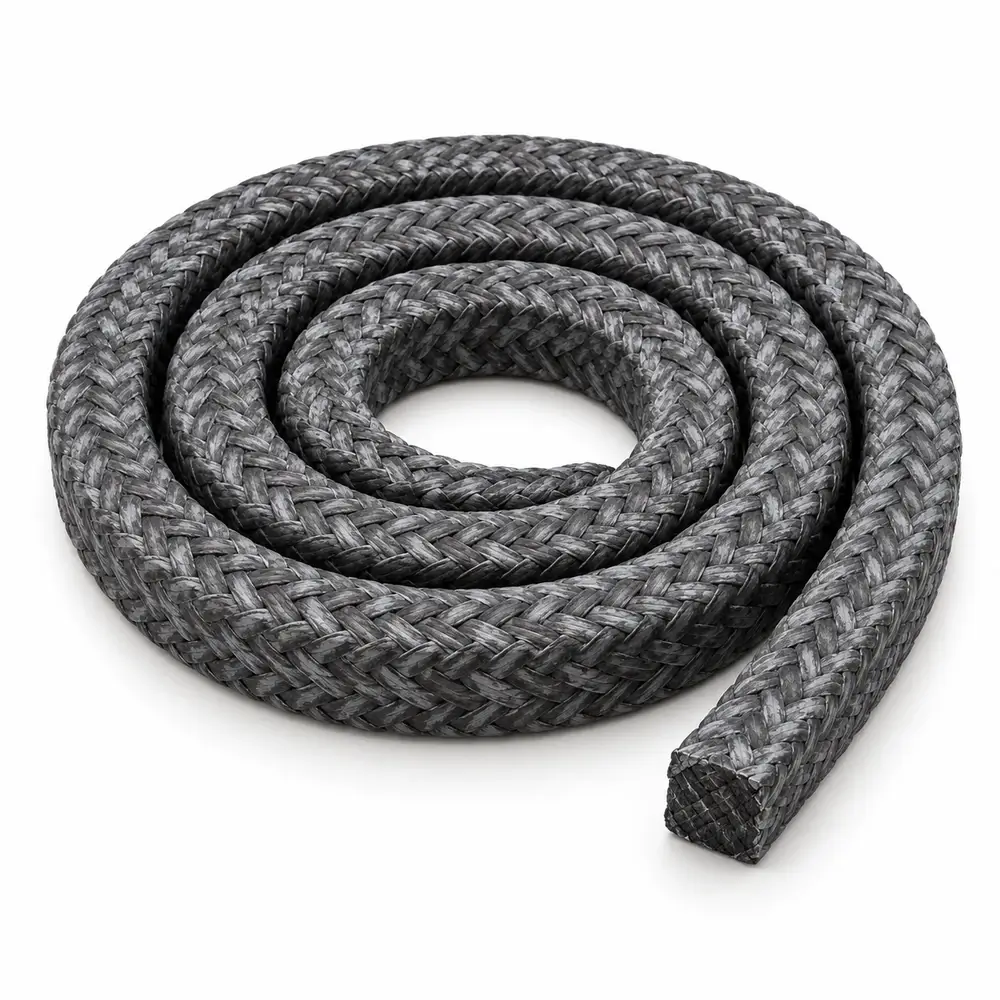
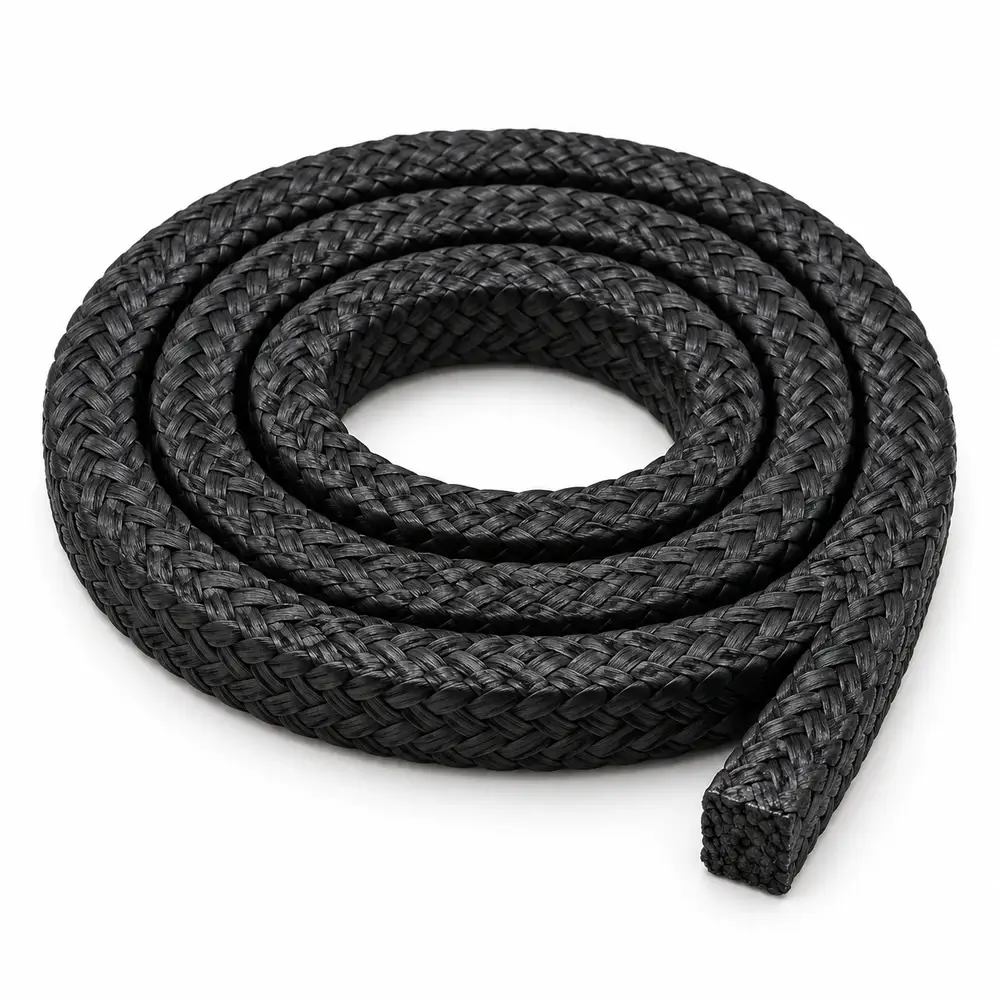
What Safety Precautions Should Be Taken When Using Carbonized Fiber Packing with Graphite? Imagine a maintenance team restarting a hot chemical pump after a weekend shutdown. The new packing looks tough, conducts heat well, and promises long service, but the first gland adjustment can still damage a shaft, release fine dust, or create a leak path if the team treats it like ordinary rope packing. Carbonized Fiber Packing with Graphite is a high-performance sealing material, yet its graphite content, carbon fiber structure, and braided construction require disciplined handling, correct PPE, controlled ventilation, verified chemical compatibility, measured gland torque, and a clear leak-response plan. Safety is not only about the material grade; it is about installation conditions, shaft condition, temperature limits, oxidation risk, conductivity, and the way technicians inspect and adjust the gland during operation. Buyers who compare data sheets carefully and ask for installation guidance reduce downtime, protect personnel, and avoid repeat failures. This guide explains practical precautions in plain language, with checklists and parameter tables that procurement teams can share with maintenance crews before the first length of packing is cut.
A common scene in a chemical plant is a maintenance planner choosing carbonized fiber packing with graphite because the previous packing failed early. The team sees high strength, thermal stability, and graphite lubrication as a simple upgrade. The hidden pain comes later: the pump runs hotter than expected, the gland is over-tightened, the shaft has light scoring, and fine graphite dust settles near a motor terminal box. The packing itself may be correct, but the application and installation context create risk. The solution is a short pre-job risk assessment that checks temperature, media, shaft condition, electrical proximity, ventilation, and who will adjust the gland during the first hours of operation.
Ningbo Kaxite Sealing Materials Co., Ltd. supports this step by helping buyers match carbonized fiber packing with graphite to the actual pump or valve conditions, not just the catalog description. A practical review should confirm the maximum temperature in air, steam or inert conditions, chemical compatibility, shaft finish, gland load, and dust control. The table below gives procurement and maintenance teams a simple parameter check before the packing is cut.
| Parameter | Question to confirm | Why it matters |
|---|---|---|
| Maximum temperature in air | Is the gland exposed to hot air, steam, or inert gas? | Carbon fiber can oxidize in hot air; steam and inert conditions can behave differently. |
| Chemical compatibility | Does the media contain strong oxidizers, acids, solvents, or caustic solutions? | Graphite is broadly stable, but fibers and any binders must still match the process. |
| Shaft surface and runout | Is shaft finish and runout within supplier limits? | A rough or moving shaft damages packing and creates leak paths. |
| Electrical conductivity | Are loose graphite or carbon fibers near motors, panels, or electronics? | Carbon and graphite dust can be conductive; dust control and cleanup are essential. |
| Gland load | Can fitters measure torque or compression steps? | Over-tightening causes heat, friction, smoking, and shaft wear. |
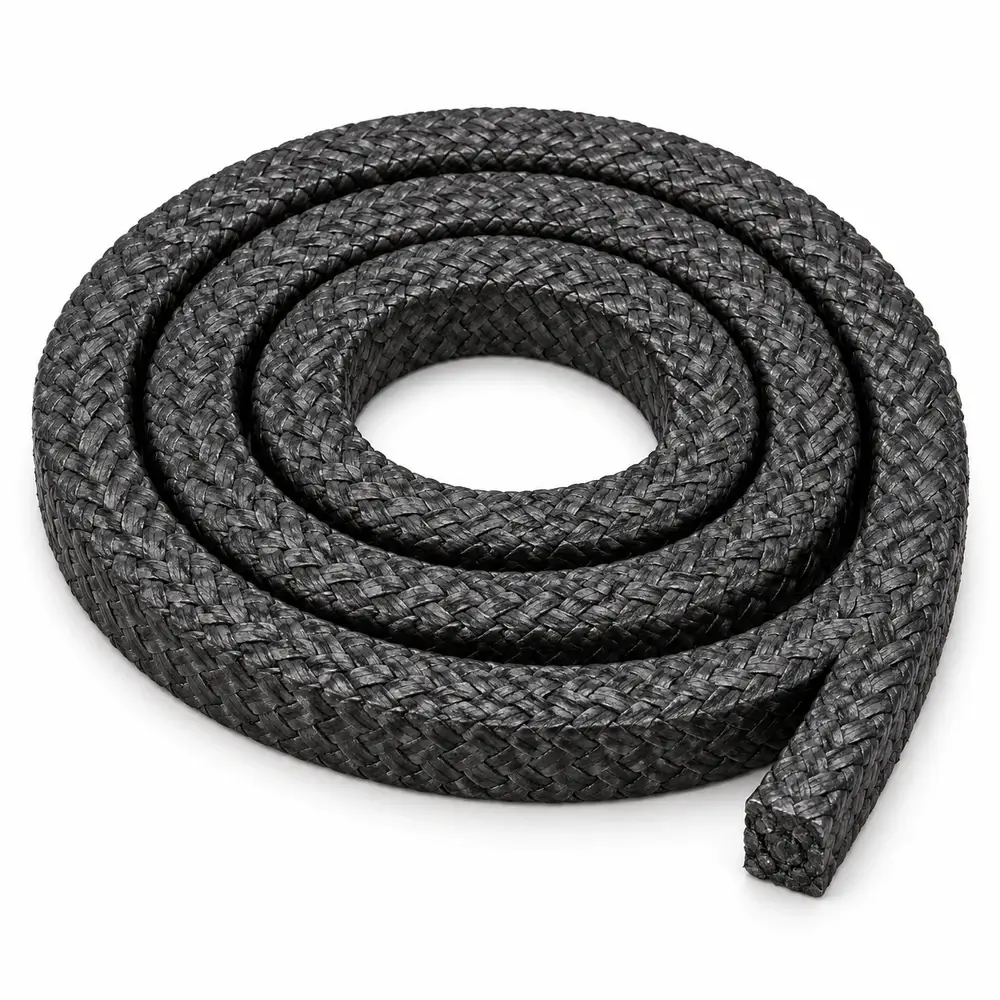
The first cut often happens on a bench near the pump, with a technician trimming rings to length. If the packing is dry, cutting and handling can release fine dust. The pain is easy to miss because the task looks minor, but poor ventilation, bare hands, and dry sweeping can spread graphite residue into a confined work area. The solution is simple: cut in a clean, ventilated place; wear nitrile gloves and safety glasses; use a suitable dust mask if dusty conditions exist; avoid compressed air; and clean with a wet method or an appropriate vacuum. For confined spaces, follow the site permit and atmospheric monitoring rules.
When buyers request carbonized fiber packing with graphite from Ningbo Kaxite Sealing Materials Co., Ltd., they can also ask for handling and storage guidance to share with fitters. Good control at the cutting bench prevents dust from reaching nearby equipment and keeps graphite contamination away from electrical cabinets and product areas.
| Task | Minimum control | Verification |
|---|---|---|
| Cutting rings | Nitrile gloves, safety glasses, dust mask if dusty, local ventilation | Cut in a clean area; do not use compressed air |
| Handling | Gloves; wash hands before eating or drinking | Keep food and drink away from the work area |
| Cleanup | Wet wipe or appropriate vacuum with filter | Do not dry sweep or blow down with air |
| Confined space | Site permit, ventilation plan, atmosphere monitoring where required | Stop work if controls are not in place |
A rushed installation is a frequent pain point. The old packing is removed, the new rings are pushed in, and the gland is tightened until “it feels right.” With carbonized fiber packing with graphite, that approach can cause overheating, shaft scoring, and early leakage. The solution is a controlled sequence: inspect and clean the shaft, confirm acceptable runout and surface finish, cut each ring squarely, stagger joints as instructed, fit rings without forcing, and increase gland load in small steps during run-in. Technicians should watch gland temperature, leakage, and sound during the first hours.
Ningbo Kaxite Sealing Materials Co., Ltd. can help buyers reduce installation risk by supplying clear dimensional data, recommended cut length, and break-in guidance. This is especially useful when a procurement team needs to compare suppliers on total cost, not just price per kilogram. The right product with the wrong gland load is still a safety and reliability problem.
| Installation item | Safe target | Risk if ignored |
|---|---|---|
| Shaft runout | Within supplier or site limits | Uneven contact, leakage, vibration |
| Shaft finish | Clean and free of deep scoring | Packing wear and shaft damage |
| Ring cut | Square, clean cut; joints staggered as instructed | Leak path and uneven compression |
| Gland torque | Increase in small steps during run-in | Overheating, smoking, shaft scoring |
| Break-in period | Follow supplier schedule and monitor temperature | Thermal damage and early failure |
A hot oil pump can look like a perfect application until the gland runs dry or the process changes. The pain scenario is a packing that was safe at startup but later sees higher temperature, steam cycling, or a new cleaning chemical. Carbonized fiber packing with graphite offers good thermal and chemical performance in many services, but buyers must verify the actual limits. The solution is to ask for maximum temperature in air, steam, and inert conditions; check pH and oxidizer exposure; and confirm whether the process includes abrasive solids or intermittent dry running.
For procurement teams, the safest approach is to share the media, temperature, pressure, shaft speed, and equipment type with Ningbo Kaxite Sealing Materials Co., Ltd. before ordering. A grade that is excellent for one valve may be wrong for a pump handling strong oxidizers or abrasive slurry. The parameter table below helps turn a vague inquiry into a useful technical review.
| Condition | What to ask | Safe action |
|---|---|---|
| Hot air | What is the maximum temperature in air? | Stay within rating; consider steam or inert conditions if needed |
| Steam | What are steam pressure, temperature, and cycling conditions? | Confirm grade and installation method |
| Strong oxidizers | What concentration and temperature are present? | Verify compatibility or select an alternate packing |
| Caustic or high pH | What concentration and temperature apply? | Confirm fiber and binder resistance |
| Abrasive slurry | What is particle size and solids content? | Consider flush, filtration, or a different sealing solution |
The most expensive safety problem is often a small leak that no one owns. A technician sees a drip, adds gland load, and moves on. Later the gland runs hot, product mist reaches insulation, or graphite dust collects near electrical equipment. The solution is a defined response plan: know what normal leakage looks like, set a temperature limit, record adjustments, and clean dust before it spreads. Because carbon and graphite can conduct electricity, loose fibers should be controlled near motors, terminals, and control panels.
Ningbo Kaxite Sealing Materials Co., Ltd. helps buyers think beyond the data sheet by discussing installation, run-in, and replacement intervals for carbonized fiber packing with graphite. A clear failure-mode plan protects people and equipment, and it gives maintenance teams a practical way to decide when to adjust and when to isolate.
| Failure mode | Warning sign | Response |
|---|---|---|
| Leakage | Drips, mist, product smell | Adjust per procedure; isolate if severe |
| Overheating | Smoke, discoloration, hot gland | Reduce load, inspect, replace as needed |
| Conductive dust | Black dust near electrical equipment | Clean with a wet method and protect equipment |
| Shaft wear | Vibration, scoring, metal particles | Inspect and correct the shaft before new installation |
| Fire risk | Oil-soaked insulation or hot surfaces | Control oil ingress and keep hot surfaces clear |
Storage is an overlooked pain point. Packing left open in a dusty warehouse can pick up grit, oil, or moisture. A coil stored on a dirty floor may look fine but create leakage after installation. The solution is to keep carbonized fiber packing with graphite in its sealed packaging until use, store it in a clean and dry area, and keep lot records for traceability. Cut only what is needed, return unused lengths to clean packaging, and dispose of oily waste and dust according to local rules.
Ningbo Kaxite Sealing Materials Co., Ltd. can provide packaging and identification details that help buyers maintain traceability from receiving to installation. This matters when a maintenance team needs to compare batches or investigate a sealing problem.
| Stage | Precaution | Reason |
|---|---|---|
| Receiving | Check packaging, lot, and datasheet | Avoid wrong grade or contamination |
| Storage | Sealed bag, clean and dry area | Prevent oil, dust, and moisture |
| Cutting | Use a dedicated clean bench | Avoid cross-contamination |
| Waste | Follow local rules; bag dust and oily waste | Control graphite dust and contamination |
| Traceability | Keep lot records | Supports troubleshooting and audits |
A procurement officer often receives three quotes that look similar. The pain is that low price can hide missing data, unclear installation support, or a grade that is not suitable for the process. The solution is to compare suppliers on documentation, safety guidance, and technical response. Ask for a datasheet that states temperature range, chemical suitability, pressure limits, and recommended applications. Ask for handling and disposal guidance, and confirm who will answer a technical question during installation.
Ningbo Kaxite Sealing Materials Co., Ltd. positions carbonized fiber packing with graphite as a solution that comes with selection support, not just a box of product. Buyers can reduce risk by sharing pump or valve details, media, temperature, pressure, and shaft speed before purchase. The checklist below can be copied into a request for quotation.
| Document | What to verify | Buyer action |
|---|---|---|
| Datasheet | Temperature, pH, pressure, media suitability | Match to the actual process |
| Safety guidance | Dust, PPE, storage, and disposal notes | Share with maintenance before delivery |
| Installation guide | Cut length, torque steps, run-in | Require a pre-job briefing |
| Quality certificate | Dimensions, braid, graphite content | Keep batch traceability |
| Support contact | Technical response path | Confirm before placing the order |
Use the packing only within its confirmed temperature and chemical limits. Wear gloves and safety glasses when cutting, control dust with ventilation or wet cleanup, avoid compressed air, verify shaft condition and gland alignment, tighten in measured steps, and monitor leakage and gland temperature during run-in. Because carbon and graphite dust can be conductive, keep loose fibers away from electrical equipment. Ningbo Kaxite Sealing Materials Co., Ltd. can provide grade data and installation guidance so buyers can match carbonized fiber packing with graphite to the pump or valve conditions.
It can be safe when the application is correctly evaluated. Confirm the maximum temperature in air, steam conditions, chemical compatibility, pressure, shaft speed, and abrasive content. Hot air can create oxidation risk, while steam and inert service may have different limits. A controlled run-in and a clear leak-response plan are essential. For critical equipment, share the process data with Ningbo Kaxite Sealing Materials Co., Ltd. before ordering so the packing grade and installation method are reviewed together.
A sealing problem rarely starts at the purchasing desk; it usually starts with a mismatch between the process and the installed packing. The practical way to reduce risk is to treat carbonized fiber packing with graphite as an engineered component. Check the media, temperature, pressure, shaft, gland, dust controls, and installation steps before the first ring is cut. Keep records, train fitters, and review leakage and temperature during the first operating hours.
For buyers who want a safer and more reliable sealing decision, Ningbo Kaxite Sealing Materials Co., Ltd. is ready to help. The company supplies carbonized fiber packing with graphite and works with procurement and maintenance teams to clarify application data, selection limits, and installation precautions. Learn more at https://www.carbon-fiber-packing.com or contact the team at [email protected] to discuss your pump or valve conditions before the next order.
Peng, Y., Li, J., & Zhang, H. (2019). Tribological behavior of carbon fiber reinforced graphite composites under dry sliding conditions. Tribology International, 132.
Zhang, M., Wang, L., & Chen, R. (2020). Effect of graphite content on friction and wear of carbon fiber reinforced sealing composites. Journal of Materials Science, 55(18).
Kim, S., Park, J., & Lee, D. (2018). Sealing performance of braided packing in centrifugal pumps under variable gland load. Journal of Tribology, 140(4).
Bhat, R., Kumar, A., & Singh, P. (2017). Friction and wear mechanisms of carbon fiber reinforced polymer composites in sealing applications. Wear, 376–377.
Li, X., Zhao, Q., & Sun, F. (2021). Thermal stability and oxidation behavior of carbonized fiber braided packing for industrial valves. Industrial Lubrication and Tribology, 73(6).
Sun, H., Liu, Y., & Zhou, W. (2016). Leakage prediction of gland packing under combined compression and shaft rotation. Tribology Transactions, 59(3).
Chen, L., Yang, R., & Xu, K. (2022). Chemical resistance of graphite-based sealing materials in aggressive process media. Materials Chemistry and Physics, 276.
Wang, J., Zhao, M., & Hu, T. (2015). Safety evaluation of packing systems in hot process pumps. Process Safety and Environmental Protection, 98.
Park, S., Yoon, H., & Choi, B. (2020). Electrical conductivity and dust control of carbon fiber composites in industrial environments. Composites Part B: Engineering, 193.
Müller, T., Becker, R., & Hoffmann, K. (2019). Gland packing installation effects on friction, leakage, and shaft wear. Sealing Technology, 2019(7).
-