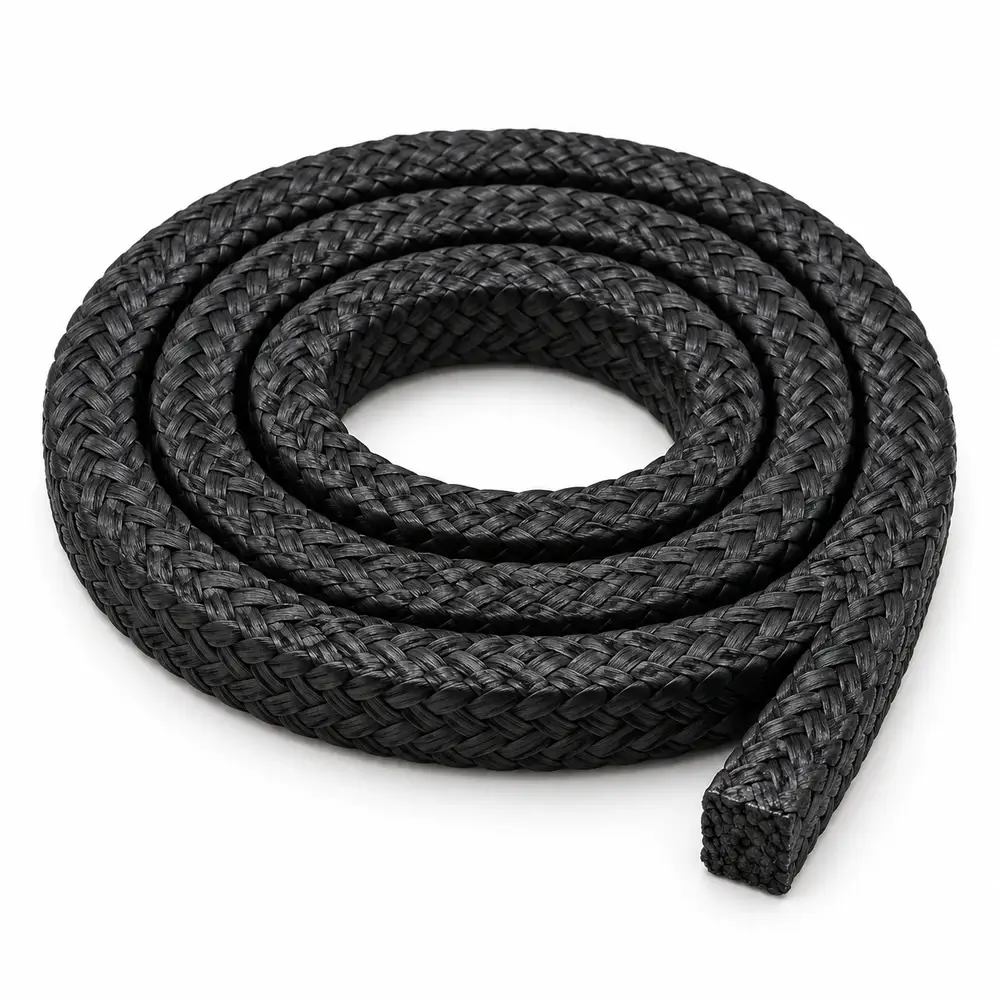
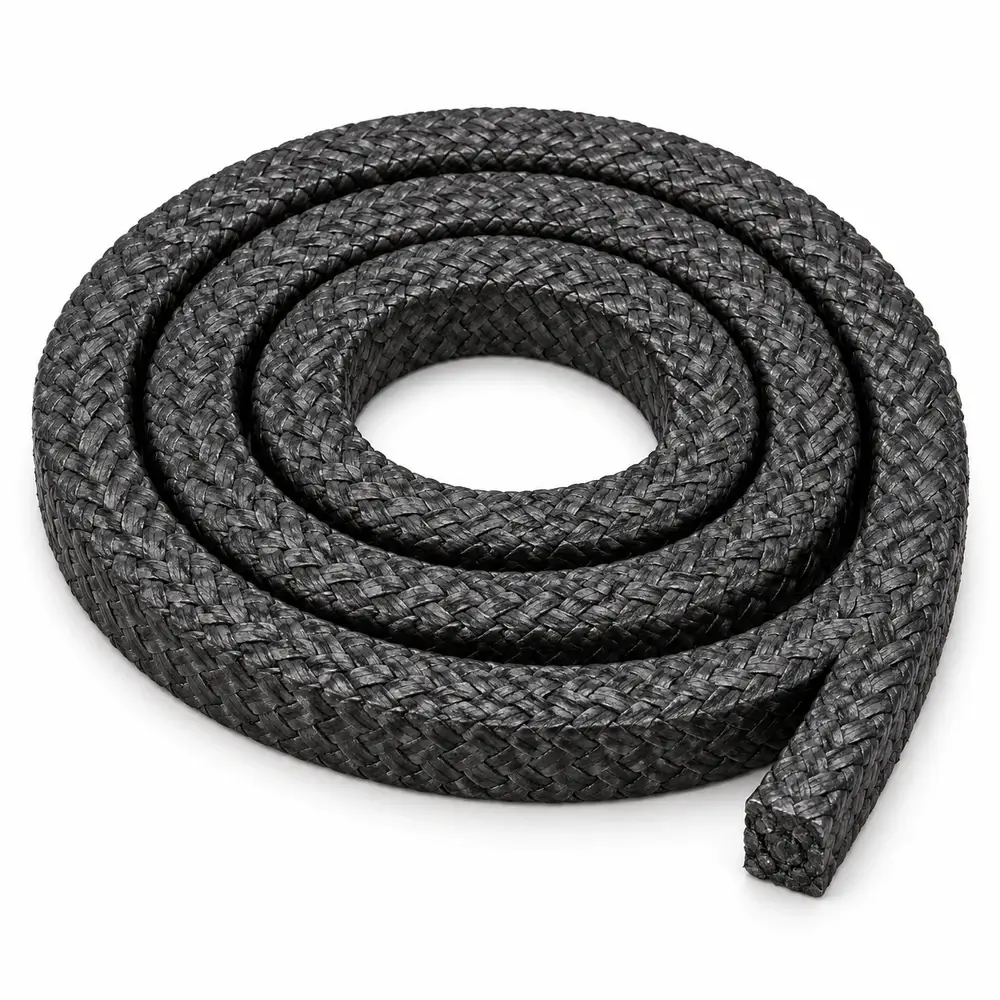
What Are Common Causes of Leakage in Carbonized Fiber Packing with PTFE? If you are sourcing compression packing for pumps, valves, agitators, or reactors, leakage is rarely a random event. In a typical procurement review, a maintenance team reports a drip from a stuffing box after a new batch of Carbonized Fiber Packing with PTFE has been installed. The buyer checks the certificate, the supplier checks the braiding, and the engineer checks the shaft. The real cause is often a chain of small mismatches: wrong ring size, uneven gland torque, poor run-in procedure, excessive shaft clearance, incompatible fluid, or a packing grade that was selected for the wrong pressure and temperature window. For purchasing teams, this is not only a technical issue; it is a schedule risk, a safety concern, and a total cost problem. A leakage investigation should therefore compare installation records, gland pressure, shaft condition, chemical compatibility, and batch traceability before blaming the material. Ningbo Kaxite Sealing Materials Co., Ltd. helps buyers reduce this risk by matching Carbonized Fiber Packing with PTFE to the actual operating envelope and by reviewing the installation details that most often drive leakage. This guide explains the common causes, shows what to check, and provides practical parameters you can use in a supplier discussion.
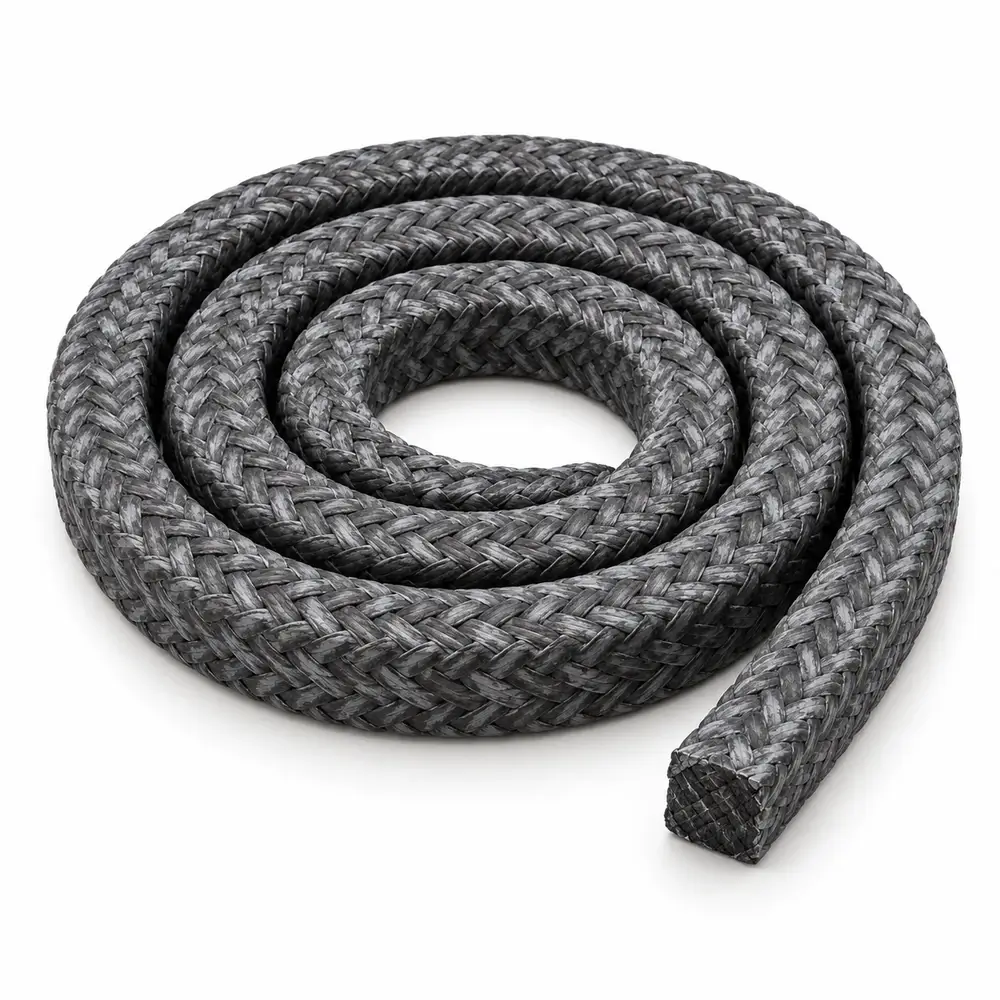
Pain point scenario: A buyer receives a complaint that Carbonized Fiber Packing with PTFE drips soon after start-up, but the supplier says the material passed dimensional and density checks. The conversation stalls because nobody has separated material defects from application and installation causes.
Solution: Start with a structured leakage review. Compare the actual shaft or stem condition, stuffing box clearance, packing ring dimensions, gland bolt torque, fluid chemistry, operating temperature, and start-up procedure. In most cases, leakage is caused by a combination of factors rather than one obvious fault. Ningbo Kaxite Sealing Materials Co., Ltd. recommends recording these details before changing suppliers, because a wrong diagnosis can lead to repeat purchases and repeated downtime.
| Leakage cause | Typical symptom | Procurement check | Practical target |
|---|---|---|---|
| Wrong ring size or cut length | Leakage at joint, uneven compression | Confirm shaft diameter, box bore, and ring width | Ring fit within supplier tolerance |
| Excessive shaft clearance | Extrusion, rapid wear, persistent drip | Check sleeve wear and box clearance | Follow pump or valve OEM limit |
| Poor gland torque control | Overheating or loose rings | Use calibrated torque wrench and log values | Supplier-recommended break-in torque |
| Incompatible fluid or temperature | Swelling, hardening, weight loss | Review pH, chemicals, and continuous temperature | Within Kaxite application guidance |
| Missing flush or lantern ring alignment | Dry running, local overheating | Verify port alignment and flow path | Flush plan confirmed before start-up |
Pain point scenario: Maintenance cuts packing rings on site, installs them quickly during a shutdown, and returns the pump to service. Soon afterward, the buyer sees leakage around the gland and suspects the Carbonized Fiber Packing with PTFE itself.
Solution: Installation quality is one of the most common causes of leakage. Rings should be cut squarely, sized to the stuffing box, installed one by one, and seated correctly. Joints should be staggered, and the gland should be tightened gradually. For procurement teams, asking for pre-cut rings, clear installation instructions, and batch-level documentation can reduce site variation. Ningbo Kaxite Sealing Materials Co., Ltd. can supply application-focused guidance so that the packing grade and the installation method work together.
| Installation parameter | Risk if ignored | Recommended check | Record to keep |
|---|---|---|---|
| Ring cut angle | Open joint and direct leakage path | Square cut, clean edges, no fraying | Ring size and cut method |
| Joint staggering | Leakage channel through the stack | Stagger joints about 90 degrees | Installation photo or checklist |
| Stuffing box cleanliness | Scoring, poor seating, local wear | Remove old packing and inspect bore | Box condition before assembly |
| Gland alignment | Side loading and uneven compression | Check gland clearance and bolt movement | Gland torque sequence |
| Run-in procedure | Thermal damage and early leakage | Follow stepwise load and temperature checks | Start-up log |
Pain point scenario: A purchasing officer sources Carbonized Fiber Packing with PTFE for a plant that expects zero visible drip from the first minute. The maintenance crew over-tightens the gland to stop leakage, and the packing overheats, hardens, and leaks again.
Solution: Compression packing normally needs a controlled break-in period. The gland should be adjusted in small steps while monitoring temperature and leakage. Over-tightening can damage the carbonized fiber and PTFE structure, while under-tightening allows washout and extrusion. Ningbo Kaxite Sealing Materials Co., Ltd. helps buyers set realistic acceptance criteria and provides practical start-up parameters for the actual pump or valve duty.
| Start-up parameter | Low-risk practice | Warning sign | Buyer action |
|---|---|---|---|
| Initial gland pressure | Light seating, then gradual adjustment | Smoke, odor, or rapid temperature rise | Loosen slightly and recheck |
| Break-in leakage | Allow controlled drip where application permits | Heavy flow or packing movement | Stop and inspect ring fit |
| Gland temperature | Monitor against OEM and supplier limits | Hot gland with cool box | Reduce load or check flush |
| Bolt torque sequence | Alternate nuts in small increments | One side much tighter | Use calibrated torque wrench |
| Run-in duration | Follow duty-specific schedule | Persistent leakage after run-in | Review shaft and fluid conditions |
Pain point scenario: The data sheet says Carbonized Fiber Packing with PTFE is suitable for a broad range of services, so a buyer uses one grade across several lines. Later, one line shows swelling and another shows hardening, and both are blamed on the same packing batch.
Solution: Carbonized fiber with PTFE performs best when the fluid, temperature, pressure, shaft speed, and abrasive content are reviewed together. Strong oxidizers, high solids, dry running, and excessive surface speed can change the failure mode. A good supplier asks for the full operating envelope, not just the pipe size. Ningbo Kaxite Sealing Materials Co., Ltd. can help procurement teams map each application to a suitable packing configuration and avoid over-generalized specifications.
| Application factor | Possible leakage effect | Parameter to confirm | Procurement note |
|---|---|---|---|
| Chemical compatibility | Swelling, softening, or loss of lubricity | pH range and chemical concentration | Share full fluid composition |
| Temperature window | Binder degradation or thermal expansion | Continuous and peak temperature | Do not use only average temperature |
| Pressure and speed | Extrusion, friction heat, and wear | Pressure, shaft speed, and duty cycle | Match grade to actual running condition |
| Abrasive solids | Accelerated sleeve and packing wear | Particle size and concentration | Consider flush or alternate grade |
| Dry-running risk | Overheating and brittle failure | Lubrication and flush reliability | Confirm start-up and standby rules |
Pain point scenario: A distributor receives a leakage claim and cannot connect the failed packing to a production batch, raw material lot, or inspection record. The buyer then loses confidence in the supplier’s quality system.
Solution: For repeat purchasing, traceability matters as much as the packing itself. Ask for batch identification, dimensional inspection, density control, packaging protection, and storage guidance. Carbonized Fiber Packing with PTFE should be stored clean and dry, away from excessive heat and contamination. Ningbo Kaxite Sealing Materials Co., Ltd. supports professional buyers with consistent product documentation and practical quality checks that reduce avoidable leakage claims.
| Quality check | Leakage risk reduced | Parameter or record | Buyer benefit |
|---|---|---|---|
| Batch traceability | Unclear root cause and repeat faults | Batch number and production date | Faster claim review |
| Dimensional inspection | Poor ring fit and uneven gland load | Cross-section and length tolerance | Consistent installation |
| Density and braid control | Soft spots, extrusion, and leakage paths | Density range and surface finish | Stable compression behavior |
| Packaging protection | Contamination before installation | Clean bag and labeled carton | Better shelf reliability |
| Storage guidance | Moisture, dirt, and heat damage | Dry, cool, dust-free storage | Lower inventory risk |
During start-up, the most common causes are incorrect ring size, joints that are not staggered, insufficient or excessive gland load, poor gland alignment, and a missing or misaligned flush path. Carbonized Fiber Packing with PTFE also needs a controlled break-in period. If the gland is tightened too fast to stop all drip, the packing can overheat and lose its sealing ability. Ningbo Kaxite Sealing Materials Co., Ltd. recommends checking ring fit, gland torque sequence, and temperature before changing the material grade.
After service, leakage often comes from normal wear, shaft sleeve scoring, chemical attack, thermal hardening, abrasive solids, or repeated over-tightening. A leakage review should compare the original operating conditions with the current process, because flow changes, higher temperature, or new chemicals can exceed the original selection. For long-term reliability, buyers should keep installation records and batch details. Ningbo Kaxite Sealing Materials Co., Ltd. can help review the application and recommend whether to adjust installation practice, change the packing grade, or inspect the shaft and stuffing box.
Pain point scenario: A procurement team needs a reliable source for Carbonized Fiber Packing with PTFE but wants more than a price list. They need a supplier who can ask the right technical questions and help prevent repeated leakage complaints.
Solution: Ningbo Kaxite Sealing Materials Co., Ltd. works with buyers to review operating conditions, ring dimensions, installation method, and documentation requirements. Instead of treating leakage as a simple material claim, Kaxite helps connect the packing specification to the real application. This approach supports purchasing teams who need stable quality, clear communication, and practical sealing solutions.
| Support area | What Kaxite can review | Information to provide | Result for the buyer |
|---|---|---|---|
| Application review | Media, temperature, pressure, and speed | Process data sheet | Better grade fit |
| Installation guidance | Ring size, joint stagger, and gland sequence | Stuffing box drawing or photos | Lower installation risk |
| Quality documentation | Batch records and dimensional checks | Purchase specification | Easier incoming inspection |
| Claim review | Leakage pattern and service history | Photos and start-up log | Faster root-cause discussion |
Ningbo Kaxite Sealing Materials Co., Ltd. is a sealing materials supplier focused on practical sealing solutions for industrial buyers. The company supports customers who need Carbonized Fiber Packing with PTFE and related compression packing products, with attention to application fit, quality consistency, and clear technical communication. To discuss a leakage issue, request a quotation, or review a packing specification, send your operating conditions to [email protected] or visit https://www.carbon-fiber-packing.com. Share your media, temperature, pressure, shaft speed, ring size, and gland details, and the Ningbo Kaxite team can help you move from repeat leakage claims toward a more reliable sealing plan.
1. Flitney, R., 2007, Sealing Technology: A Review of Packing and Gasketing Fundamentals, Sealing Technology, 2007(10).
2. Lloyd, D., and Nye, T., 2011, Tribological Behavior of Compression Packings in Rotating Equipment, Journal of Tribology, 133(4).
3. Müller, H. K., and Nau, B. S., 1998, Fluid Sealing Technology: Principles and Applications, Sealing Science and Engineering, 12(2).
4. Kim, J. H., and Park, S. H., 2014, Leakage and Friction Characteristics of PTFE-Impregnated Fiber Packings, Journal of Materials Engineering and Performance, 23(6).
5. Wilson, A. R., 2009, Gland Packing Selection for Pump and Valve Applications, World Pumps, 2009(5).
6. Tanaka, K., and Yamaguchi, Y., 2016, Thermal Degradation and Sealing Performance of Carbon Fiber Packings, Tribology International, 98(1).
7. Brown, M. J., 2012, Failure Analysis of Compression Packing in Process Plants, Engineering Failure Analysis, 24(3).
8. Chen, L., and Zhao, Q., 2018, Chemical Compatibility of PTFE-Based Packing Materials in Aggressive Media, Journal of Applied Polymer Science, 135(21).
9. Smith, P. D., 2010, Installation and Maintenance Effects on Packing Leakage, Plant Engineering and Maintenance, 34(7).
10. Rossi, G., and Bianchi, F., 2020, Wear Mechanisms of Carbonized Fiber Packing Against Metallic Sleeves, Wear, 456-457(1).