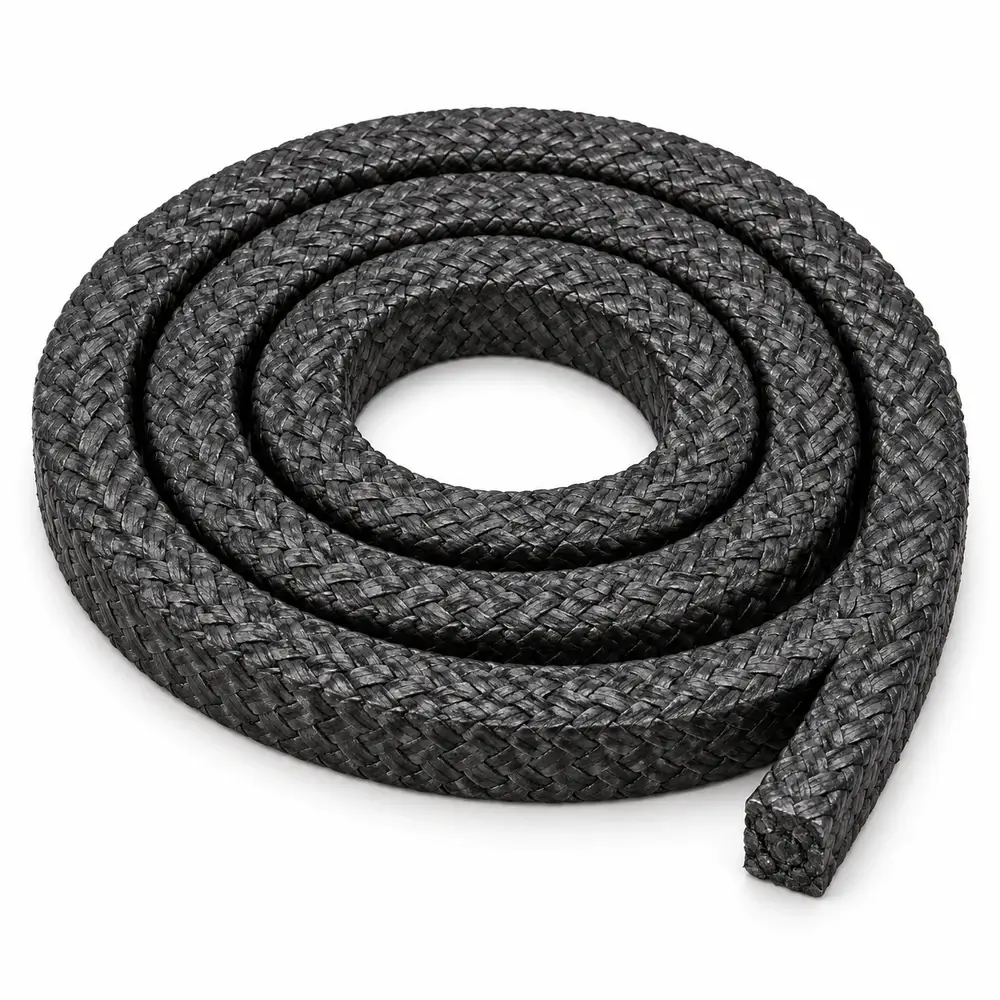
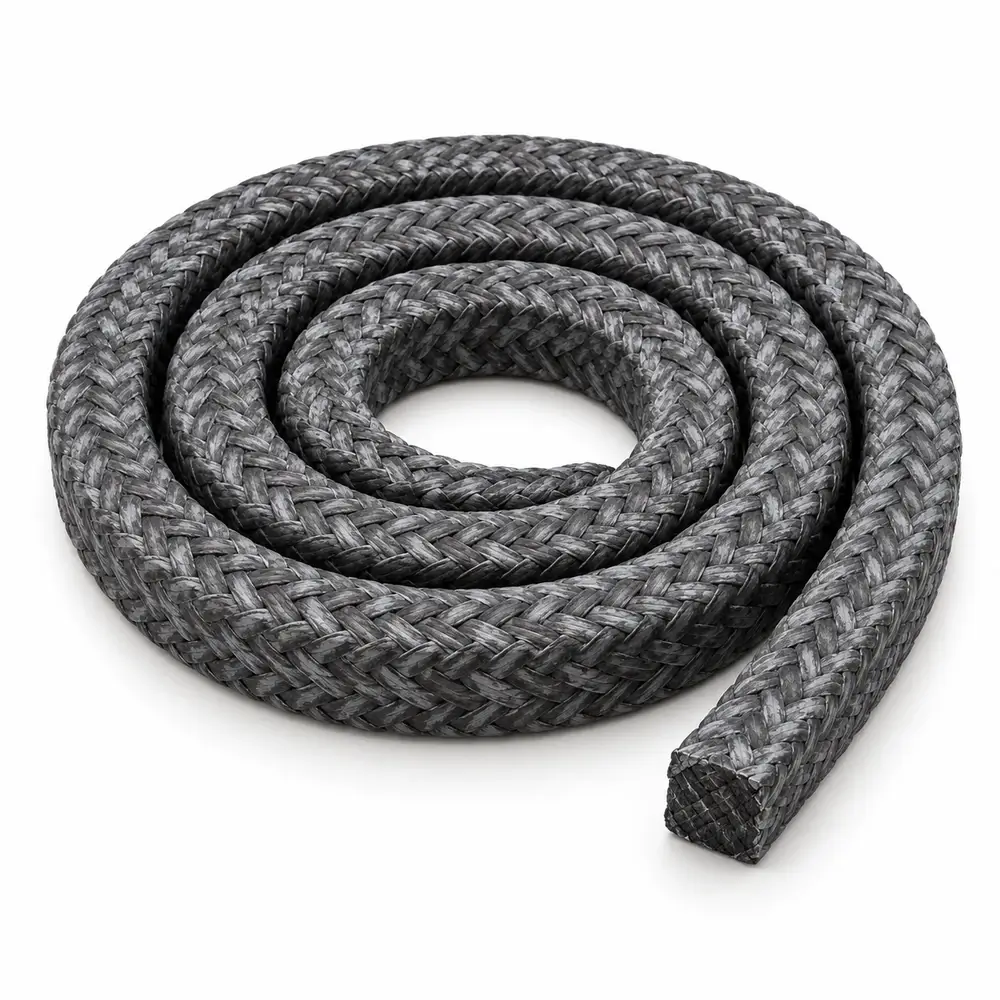
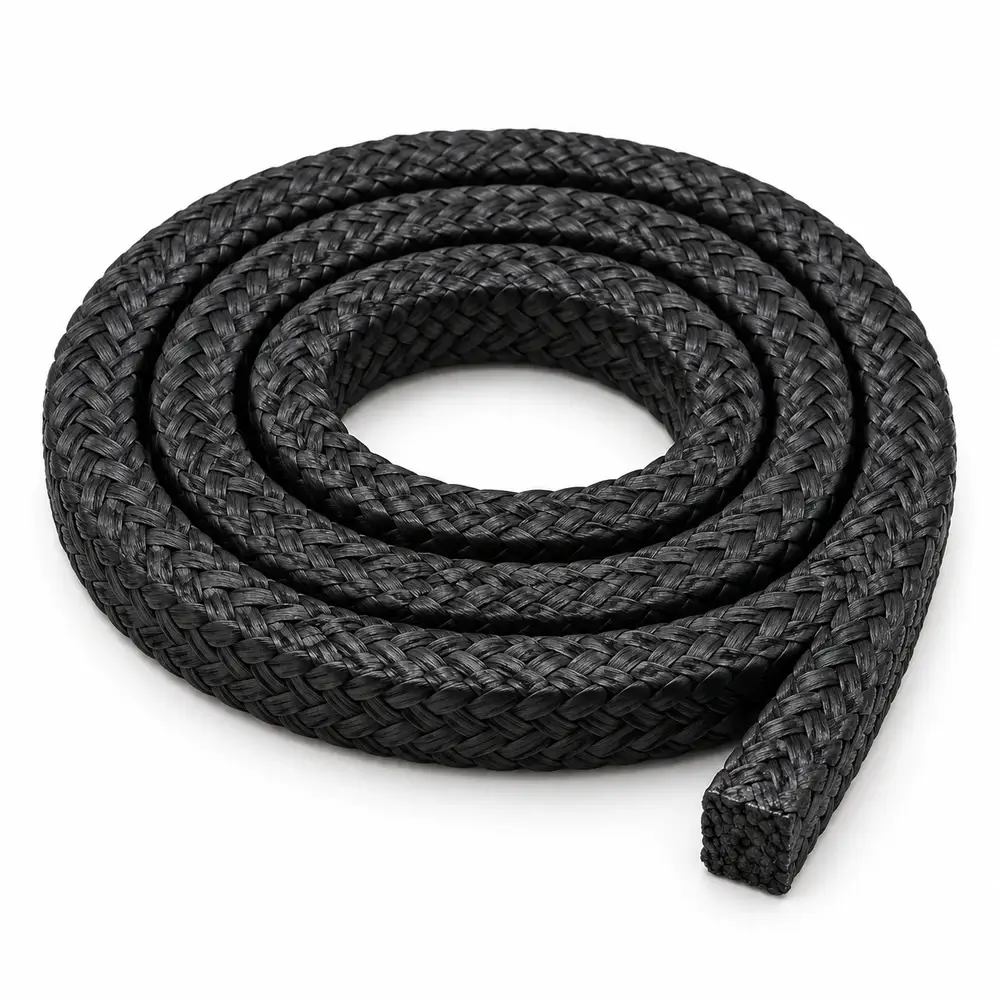
Does Carbon Fiber Packing require lubrication during installation? For procurement teams planning a pump or valve shutdown, this question usually appears at the worst possible moment: the packing kit is on the maintenance bench, the gland is open, the shaft is exposed, and the crew needs a clear instruction before the next shift. The practical answer is not a simple yes or no. Many carbon fiber packings from Ningbo Kaxite Sealing Materials Co., Ltd. are supplied with PTFE or graphite lubrication already integrated into the braid, so adding an incompatible grease can attract grit, increase gland pressure, or create media contamination problems. In high-speed pumps, older shaft sleeves, or services with dry-running risk, a thin compatible lubricant may help run-in and reduce startup friction. The right decision depends on packing construction, shaft speed, media, temperature, gland load, and supplier guidance. This guide gives buyers and maintenance teams a clear, parameter-based way to decide, apply, and verify lubrication so the installation does not become a repeat leak or premature wear issue.
Article outline
- Direct answer: Does carbon fiber packing require lubrication during installation?
- Why lubrication decisions matter for pump and valve packing
- Installation risks: dry friction, heat, and gland pressure
- Product fit: Kaxite carbon fiber packing for controlled installation
- FAQ: two practical lubrication questions
- Supplier support and contact
Direct Answer: Does Carbon Fiber Packing Require Lubrication During Installation?
Pain point scenario: A maintenance planner receives two conflicting instructions: one technician says carbon fiber packing must be installed dry because it is already pre-lubricated, while another says a little grease prevents startup smoke and shaft scoring. The buyer is asked to approve an urgent lubricant purchase, but no one has checked the packing datasheet, media compatibility, or gland torque target.
Solution: Treat lubrication as a specification decision, not a workshop habit. First confirm whether the carbon fiber packing is pre-lubricated with PTFE, graphite, or a silicone-free compound. If it is, install it according to the supplier’s instruction and avoid over-application. If the packing is dry, or if the service involves high shaft speed, frequent starts, or a worn sleeve, use only a thin film of compatible lubricant approved for the media and temperature. Ningbo Kaxite Sealing Materials Co., Ltd. can help buyers match packing construction, lubricant guidance, and gland parameters before the shutdown window closes.
Parameter table:
| Packing condition | Installation lubrication guidance | Procurement check |
|---|---|---|
| PTFE-impregnated carbon fiber packing | Usually install as supplied; do not add grease unless approved | Confirm datasheet wording and shelf life |
| Graphite-lubricated carbon fiber packing | Use a light compatible film only if startup friction is a concern | Verify media compatibility and color contamination limits |
| Dry carbon fiber packing for general service | Apply a thin, uniform lubricant film if supplier permits | Check shaft speed, temperature, and gland pressure limits |
| Potable water, food, or pharmaceutical service | Use only an approved lubricant or install dry per supplier instruction | Request compliance documentation before purchase |
Why Lubrication Decisions Matter for Pump and Valve Packing
Pain point scenario: A plant replaces packing during a short outage, and the first startup produces smoke, odor, or a hot gland. The buyer later discovers that the crew used a general-purpose grease that was not compatible with the process media. The result is not just a leak; it can be a product contamination claim, a repeated shutdown, and extra shaft sleeve wear.
Solution: Lubrication affects friction, heat generation, run-in behavior, and leakage control. In a pump, packing must form a controlled seal while allowing a small amount of flush or leakage for cooling. Too much lubricant can block this cooling path or soften the packing; too little can cause dry friction during the first hours. For valve stems, the priority is smooth movement and media resistance. Buyers should ask for a packing specification that states whether lubrication is already included and what installation method is recommended. Kaxite supports this by helping procurement teams align the packing grade with shaft speed, pressure, temperature, and media so the installation instruction is clear before the box is opened.
Parameter table:
| Operating factor | Recommended lubrication approach | Key parameter to verify |
|---|---|---|
| Low-speed general pump | Follow pre-lubricated packing instruction; avoid extra grease | Shaft speed and gland follower load |
| High-speed centrifugal pump | Use thin compatible film if approved; confirm cooling leakage | Surface speed and flush plan |
| High-temperature service | Select high-temperature compatible lubricant or dry installation | Temperature rating and thermal stability |
| Chemical media | Check chemical compatibility of both packing and lubricant | Media concentration and pH |
Installation Risks: Dry Friction, Heat, and Gland Pressure
Pain point scenario: The maintenance team installs carbon fiber packing dry to avoid contamination, but the gland is tightened too quickly. Startup friction rises, the shaft sleeve heats, and the packing glazes. The buyer sees a warranty discussion instead of a reliable seal, even though the packing itself was suitable for the duty.
Solution: Control three variables together: lubrication, compression, and run-in. Cut packing rings squarely, stagger joints, and seat each ring without forcing the gland. If a compatible lubricant is allowed, apply a thin film rather than filling the braid. After startup, allow controlled leakage and tighten the gland gradually. Kaxite’s product guidance helps buyers set realistic expectations for gland adjustment, break-in time, and leakage so the maintenance team does not over-compress the packing to stop every drop immediately. This is especially important with carbon fiber packing because its strength and wear resistance can mask excessive gland load until heat damage appears.
Parameter table:
| Installation risk | Typical symptom | Control parameter |
|---|---|---|
| Dry startup friction | Smoke, odor, hot gland | Approved lubricant film and controlled run-in |
| Over-tightened gland | High torque, glazed packing, shaft wear | Gland bolt torque and gradual adjustment |
| Incorrect ring cut | Uneven compression and leak path | Square cut, clean shaft, staggered joints |
| Incompatible lubricant | Softening, swelling, or media contamination | Chemical compatibility and temperature rating |
Product Fit: How Kaxite Carbon Fiber Packing Supports Controlled Installation
Pain point scenario: A distributor needs to quote a carbon fiber packing for a mixed group of pumps and valves. End users ask different questions: one wants dry installation, another wants extra lubrication, and a third needs documentation for a regulated process. The buyer needs a supplier who can clarify product construction instead of giving a generic answer.
Solution: Ningbo Kaxite Sealing Materials Co., Ltd. supports buyers with carbon fiber packing options designed for different service conditions, including PTFE-impregnated and graphite-lubricated constructions. The goal is to remove guesswork from the installation instruction: whether the packing should be installed as supplied, whether a compatible lubricant is permitted, and which gland and shaft parameters matter most. For procurement teams, this reduces urgent requests for unspecified grease, avoids incompatible lubricant purchases, and helps maintenance crews follow one clear method. Kaxite can also discuss application details such as pump type, shaft speed, media, temperature, and pressure so the selected packing and installation advice work together.
Parameter table:
| Kaxite product focus | Best-fit application | Installation note |
|---|---|---|
| PTFE-impregnated carbon fiber packing | General pumps, valves, and moderate chemical service | Install per supplied lubrication instruction; avoid excess grease |
| Graphite-lubricated carbon fiber packing | Higher friction and heat-risk services | Use thin compatible film only when approved |
| High-strength carbon fiber packing | Demanding shafts and wear-resistant duties | Control gland load and allow break-in leakage |
| Custom procurement support | Mixed plant requirements and regulated media | Confirm documentation, media, and temperature before order |
FAQ: Two Practical Questions About Carbon Fiber Packing Lubrication
Q: Does carbon fiber packing require lubrication during installation?
A: It depends on the packing construction and service. Pre-lubricated carbon fiber packing usually should be installed according to the supplier’s instruction, and extra grease may be unnecessary or harmful. Dry packing or high-friction startup conditions may benefit from a thin film of compatible lubricant. Always verify media compatibility, temperature, and gland pressure before applying any lubricant.
Q: How much lubricant should be applied to carbon fiber packing during installation?
A: Use the smallest amount that achieves the supplier’s stated purpose. In most cases, a thin, uniform film on the packing rings or shaft is enough; do not fill the braid or coat the gland area heavily. Excess lubricant can attract dirt, block cooling leakage, or contaminate the process. Ningbo Kaxite Sealing Materials Co., Ltd. recommends confirming the exact method against the packing datasheet and application parameters before installation.
FAQ quick reference table:
| Question | Short answer | Buyer action |
|---|---|---|
| Does carbon fiber packing require lubrication during installation? | Not always; follow packing construction and service conditions | Request supplier installation guidance with the quote |
| How much lubricant should be applied? | Usually a thin film only, if approved | Confirm media compatibility and avoid over-application |
Ningbo Kaxite Sealing Materials Co., Ltd. is a professional sealing materials supplier serving procurement teams, distributors, and maintenance departments that need reliable carbon fiber packing for pumps, valves, and industrial sealing applications. The company helps buyers answer practical installation questions such as whether carbon fiber packing requires lubrication during installation, which construction fits the media and temperature, and how to avoid over-compression or incompatible lubricants. By combining product selection support with clear installation guidance, Ningbo Kaxite Sealing Materials Co., Ltd. helps reduce emergency purchases, repeat leakage, and unplanned downtime. Learn more at https://www.carbon-fiber-packing.com or contact [email protected] for application-specific recommendations.
Selected research references:
Peng, H., Su, Y., and Zhang, L., 2017, Friction and wear behavior of carbon fiber reinforced PTFE composites under dry sliding conditions, Tribology Transactions, 60(3).
Zhang, X., Wang, Q., and Li, J., 2018, Effect of graphite lubrication on the tribological performance of carbon fiber composites, Tribology International, 121.
Kim, S., Park, J., and Lee, H., 2015, Leakage and friction characteristics of braided compression packing in centrifugal pumps, Sealing Technology, 2015(8).
Flitney, R., 2007, Sealing performance and failure modes of compression packings, Sealing Technology, 2007(11).
Müller, T., and Breuer, K., 2016, Influence of installation compression on the service life of braided gland packings, Journal of Engineering Tribology, 230(6).
Chen, Y., Liu, M., and Zhao, R., 2019, Thermal effects in dry-running and lubricated packing rings for rotating equipment, Wear, 426-427.
Nakamura, K., Sato, T., and Ito, M., 2014, Tribological evaluation of carbon fiber braided packings for valve stem sealing, Journal of Materials Processing and Tribology, 12(2).
Wang, L., Zhou, F., and Sun, D., 2020, Compatibility of lubricants with PTFE-impregnated packing materials in chemical service, Polymer Engineering and Science, 60(5).
Singh, R., Kumar, A., and Mehta, P., 2018, Gland torque, heat generation, and leakage control in compression packing systems, Proceedings of the Institution of Mechanical Engineers, Part J, 232(9).
Andersson, P., Nilsson, E., and Larsson, M., 2021, Shaft sleeve wear and run-in behavior of carbon fiber packing in industrial pumps, Tribology International, 156.