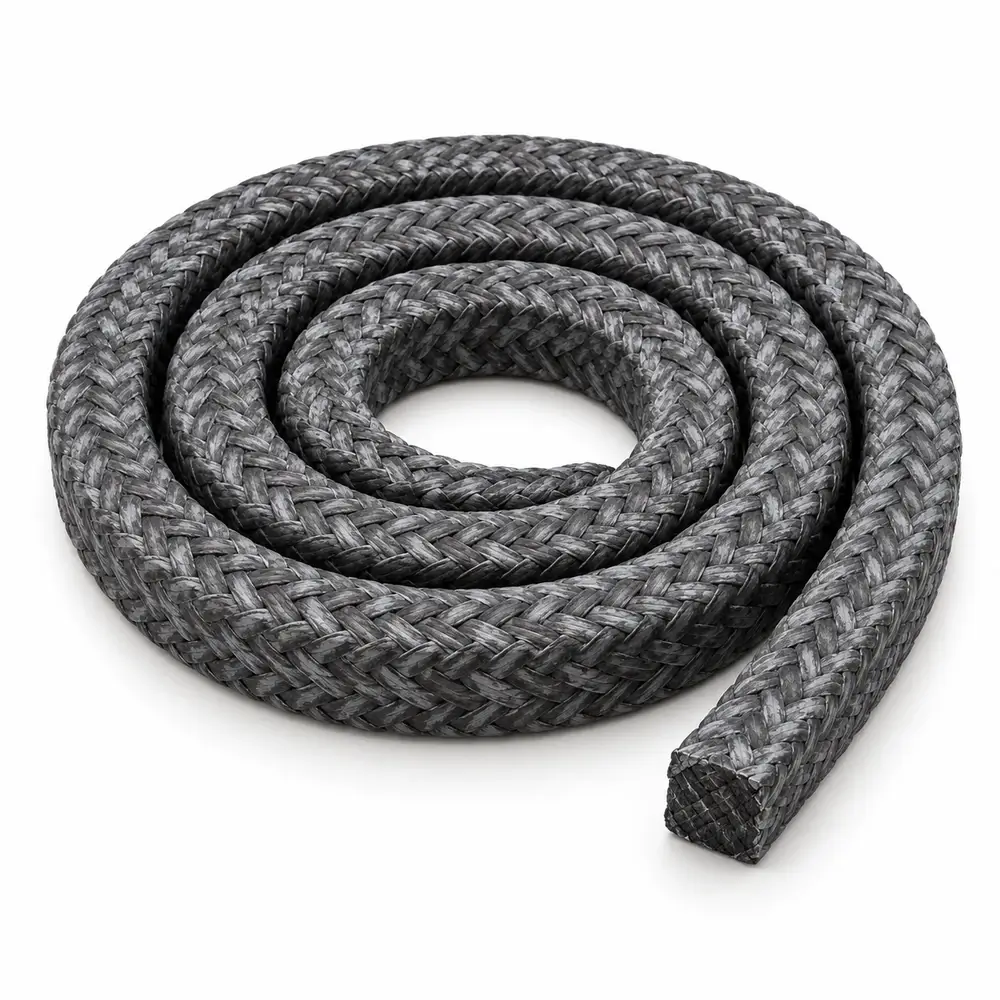
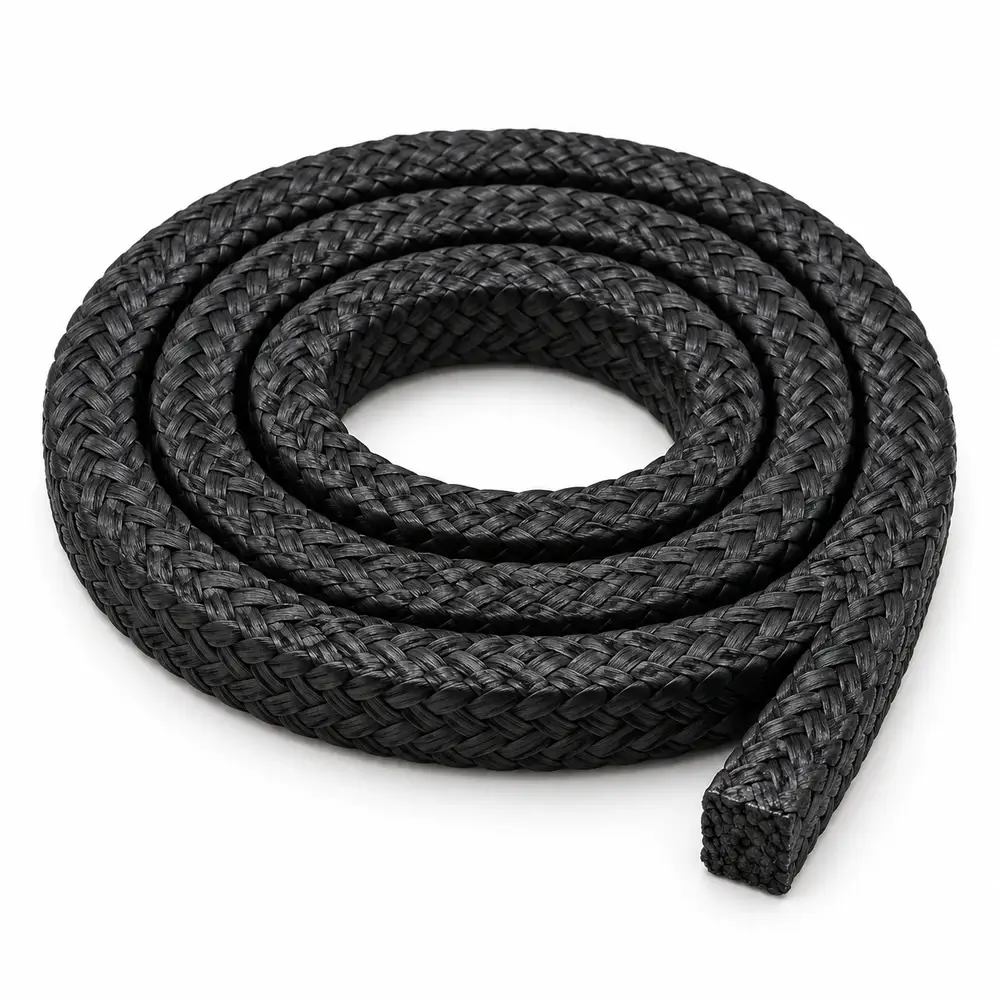
Which Standards and Safety Considerations Apply to Carbon Fiber Packings? If you are a procurement specialist comparing quotes for valve, pump, or agitator sealing, this question is not academic. A packing that looks identical in a photo can fail a plant audit, leak in high-temperature service, or create electrical conductivity risks in the wrong environment. Carbon Fiber Packings are popular because they combine strength, thermal stability, and low friction, but those benefits only hold when the product matches the equipment, media, and regulatory framework. Buyers often receive a data sheet with a temperature range and a pH range, then discover that the plant also needs an API 622 emissions report, an ISO 15848 statement, a REACH declaration, and a clear installation procedure. The real sourcing task is to connect three things: the packing's technical limits, the safety controls around the application, and the documentation your quality team will accept. This guide explains the standards and safety checks that matter, shows the parameters to request in a quotation, and highlights how Ningbo Kaxite Sealing Materials Co., Ltd. helps procurement teams close those gaps without slowing down the project.
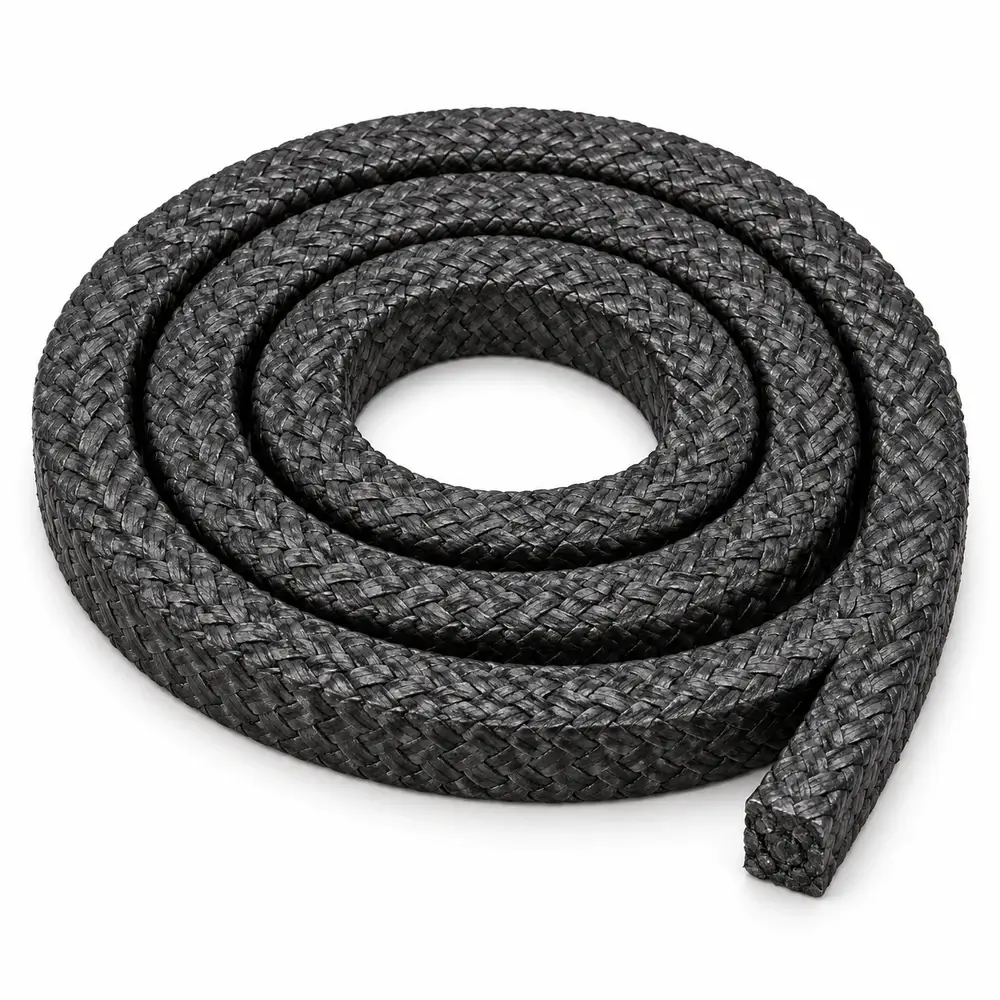
Picture a maintenance planner who sends a quote request for carbon fiber packings before a scheduled shutdown. Three suppliers reply, all with similar photos and similar temperature claims. One offer has no emissions test report, another has a material certificate but no batch traceability, and the third includes a report but not the acceptance limit the plant auditor expects. The buying team is now comparing price while carrying technical risk. This is common when the specification says only “carbon fiber packing” and does not define the test standard, the acceptance criteria, or the documents required for release. The solution is to write the standard into the inquiry before the first quote is reviewed. For carbon fiber packings, ask for the test method, the reported limit, the date of the report, and the material declaration. Make clear whether the packing will be used in a valve, pump, or agitator, because the same product family can require different evidence depending on the equipment and the plant's emission program.
Ningbo Kaxite Sealing Materials Co., Ltd. supports this step by helping buyers align the product data sheet with the standards that apply to their project. The table below gives procurement teams a practical starting point for the documents and performance statements to request.
| Standard or framework | What it addresses | What procurement should request |
|---|---|---|
| API 622 | Fugitive emissions from valve stem packing | Test report, acceptance limit, packing style tested, and date |
| ISO 15848-1 | Industrial valve fugitive emission performance | Statement of relevance, test conditions, and any product-specific report |
| TA-Luft | German clean air requirements for fugitive emissions | Declaration or test evidence where the project requires TA-Luft compliance |
| REACH / RoHS | Chemical and restricted-substance declarations | Current declaration, product identity, and responsible contact |
| EN 10204 3.1 | Material traceability and inspection documents | Certificate tied to the batch or order, with grade and heat or lot reference |
| Safety data sheet | Handling, storage, and disposal information | Latest SDS for the exact product and packaging format |
Now imagine a buyer who approves a carbon fiber packing for a high-temperature steam application, then learns during commissioning that the plant also has an oxygen-enriched area nearby and that carbon fiber can be electrically conductive. The packing may still be technically suitable for the original duty, but the safety review is incomplete. A second common scenario is a maintenance team that follows a generic installation sheet, over-tightens the gland, and creates excessive friction and heat. The packing is blamed for the leak, but the root cause is a missing installation procedure. Safety is not a single checkbox. It is a set of checks around temperature, pressure, chemical compatibility, conductivity, fire exposure, gland load, and waste handling. For procurement, the practical solution is to ask for the operating envelope and the installation limits in writing, then compare those limits with the site conditions. If the plant has a flammable atmosphere, oxygen service, or sensitive electronics, make the review explicit rather than assumed.
Ningbo Kaxite Sealing Materials Co., Ltd. can help teams match the packing grade to the operating conditions and prepare the documentation needed for internal safety reviews. Use the table below as a pre-installation check.
| Safety check | Why it matters | What to verify |
|---|---|---|
| Temperature and pressure | Exceeding the product envelope can cause rapid degradation | Maximum continuous temperature, pressure rating, and steam or cycling conditions |
| pH and chemical media | Acids, caustics, solvents, and oxidizing media affect fiber and lubricant stability | Chemical compatibility statement for the exact media and concentration |
| Electrical conductivity | Carbon fiber can create a conductive path in some environments | Conductivity data and site assessment where electronics or explosive atmospheres are present |
| Fire and oxygen service | Some materials are not suitable for oxygen-rich or high fire-risk areas without validation | Supplier guidance, oxygen-service statement, and applicable site standards |
| Gland torque and installation | Over-tightening can cause friction, heat, and shaft wear; under-tightening can leak | Installation procedure, torque or compression guidance, and break-in steps |
| Disposal and PPE | Cutting or handling carbon fiber may create dust or irritation | SDS instructions, PPE recommendations, and waste disposal requirements |
A frequent procurement problem is a one-line specification: “carbon fiber packing, graphite impregnated.” That description leaves out braid construction, lubricant, fiber content, dimensional tolerance, and the relationship between packing size and gland space. Suppliers may quote different products under the same short name, and the buyer cannot compare them properly. The practical solution is to turn the inquiry into an application data sheet. Collect the equipment type, shaft or stem speed, media, concentration, temperature, pressure, pH, cycle frequency, and the standard or certificate needed for handover. Then ask each supplier to confirm the exact product grade against those data points. A table of parameters helps keep the comparison fair and gives the maintenance team a document they can reuse for future orders.
| Parameter to request | Why it matters | Example question for the supplier |
|---|---|---|
| Equipment type | Valve stem, pump shaft, and agitator duties impose different loads | Is this grade recommended for a valve stem with frequent cycling? |
| Temperature range | Continuous and peak temperatures can differ significantly | What is the maximum continuous temperature, and what happens during excursions? |
| Pressure rating | Pressure affects compression, extrusion, and leakage risk | What pressure limit applies to this size and braid construction? |
| pH and media | The fiber and lubricant must resist the process fluid | Is the product compatible with 10% caustic at the stated temperature? |
| Shaft or stem speed | Speed influences friction, heat generation, and wear | What surface speed limit applies, and what lubrication is recommended? |
| Standards and documents | Audit and handover requirements vary by plant and region | Can you provide API 622, ISO 15848, REACH, and batch traceability documents? |
Consider a buyer who places an order, receives the packing on time, and then discovers that the material certificate does not match the purchase order grade. The shutdown is already underway, and the quality team cannot release the product. This happens when documents are treated as an afterthought instead of a line item. The solution is to add a documentation block to the purchase order and ask the supplier to confirm each item before shipment. For carbon fiber packings, that usually means material certification, safety data, substance declarations, dimensional confirmation, and traceability. If the plant has an emissions program, include the relevant test report or statement. If the packing will be stocked for future maintenance, add labeling and packaging requirements so the warehouse can identify the grade without opening the carton.
| Document or item | Purpose | Procurement tip |
|---|---|---|
| Material certificate | Confirms grade and batch identity | Require EN 10204 3.1 where traceability is mandatory |
| SDS | Supports safe handling, storage, and disposal | Check that the SDS matches the exact product and packaging |
| REACH / RoHS declaration | Supports restricted-substance review | Request the current version with a clear product reference |
| API 622 or ISO 15848 report | Supports fugitive emission and audit requirements | Confirm the tested product, size, and acceptance limit |
| Dimensional drawing | Prevents size mismatch at installation | Ask for square or braided cross-section confirmation |
| Packaging label | Avoids mixed grades in the warehouse | Include grade, size, batch, and quantity on the label |
When a project team needs carbon fiber packings, the hardest part is often not finding a product. It is finding a supplier who can answer standard-related questions, provide consistent documents, and respond before the buying window closes. Ningbo Kaxite Sealing Materials Co., Ltd. works with procurement teams on application review, product selection, sample evaluation, and export documentation for carbon fiber packings and related sealing materials. The company's product information is available at https://www.carbon-fiber-packing.com, and the team can be reached at [email protected] for quotation and technical support. By connecting the product grade to the operating conditions and the required paperwork, Kaxite helps buyers reduce back-and-forth, avoid late audit findings, and keep maintenance schedules on track.
| Buyer concern | Kaxite support | Outcome for the project |
|---|---|---|
| Unclear standard requirement | Application review and document checklist | Clear inquiry and comparable offers |
| Need to verify product fit | Grade selection and sample discussion | Better match to equipment and media |
| Audit documentation gap | Material, safety, and compliance documents | Faster quality release |
| Schedule pressure | Responsive quotation and order follow-up | Less downtime risk |
Start with the standard used by your plant or project. API 622 is commonly requested for valve stem packing emissions, while ISO 15848-1 may be relevant for industrial valve performance. Ask for the report or statement that matches the exact product, size, and test conditions, and confirm the acceptance limit your auditor expects.
No. Carbon fiber packings have a defined chemical and temperature envelope, and the lubricant or graphite components can also affect compatibility. Review the media, concentration, temperature, pressure, and pH with the supplier, and request a written compatibility statement before approval.
Review the SDS, maximum temperature and pressure limits, pH range, conductivity information where relevant, gland torque or compression guidance, and disposal instructions. If the site has oxygen service, explosive atmospheres, or sensitive electronics, make those conditions part of the supplier review.
Ningbo Kaxite Sealing Materials Co., Ltd. supports buyers with product data, material and compliance documents, and application-related questions for carbon fiber packings. Send the required document list with your inquiry so the team can confirm what is available for the selected grade and order.
Ready to compare carbon fiber packings against your specifications? Send your operating conditions, target standard, and required documents to the Kaxite team, and use the response as a practical checklist for your next sourcing review.
Ningbo Kaxite Sealing Materials Co., Ltd. is a sealing materials supplier focused on carbon fiber packings and industrial sealing solutions. The company supports procurement teams with application review, product selection, samples, and export documentation, and its product information is available at https://www.carbon-fiber-packing.com. For technical questions, quotations, or documents, contact [email protected].
Zhang, Y., Wang, L., & Chen, H. (2020). Tribological behavior of carbon fiber reinforced polytetrafluoroethylene composites under dry sliding conditions. Journal of Applied Polymer Science, 137(18), 48654.
Li, X., Zhao, Q., & Sun, J. (2019). Thermal and mechanical properties of carbon fiber reinforced composites for sealing applications. Polymer Composites, 40(6), 2314-2323.
Kumar, R., & Singh, A. (2021). Friction and wear performance of carbon fiber braided packings in pump service. Tribology Transactions, 64(3), 455-466.
Wang, H., Liu, M., & Zhou, P. (2018). Effect of graphite content on the sealing performance of carbon fiber packings. Industrial Lubrication and Tribology, 70(7), 1258-1267.
Chen, J., & Park, S. (2022). Fugitive emission testing of valve stem packings: methods and procurement implications. Journal of Sealing Technology, 2022(5), 8-15.
Patel, N., & Brown, K. (2017). Chemical compatibility of carbon fiber sealing materials in caustic and acidic media. Materials Performance, 56(9), 42-49.
Garcia, M., Lopez, R., & Torres, E. (2020). High-temperature degradation of carbon fiber reinforced packing materials. Journal of Materials Engineering and Performance, 29(11), 7345-7354.
Anderson, P., & Wilson, D. (2019). Electrical conductivity considerations for carbon fiber sealing products in industrial plants. Process Safety Progress, 38(4), 345-352.
Kim, S., Lee, J., & Han, B. (2021). Quality documentation and traceability for industrial sealing products. Quality Engineering, 33(2), 221-233.
Meyer, T., & Fischer, R. (2018). Emission reduction strategies for valve stem packing in chemical plants. Chemical Engineering & Technology, 41(10), 1987-1995.
-