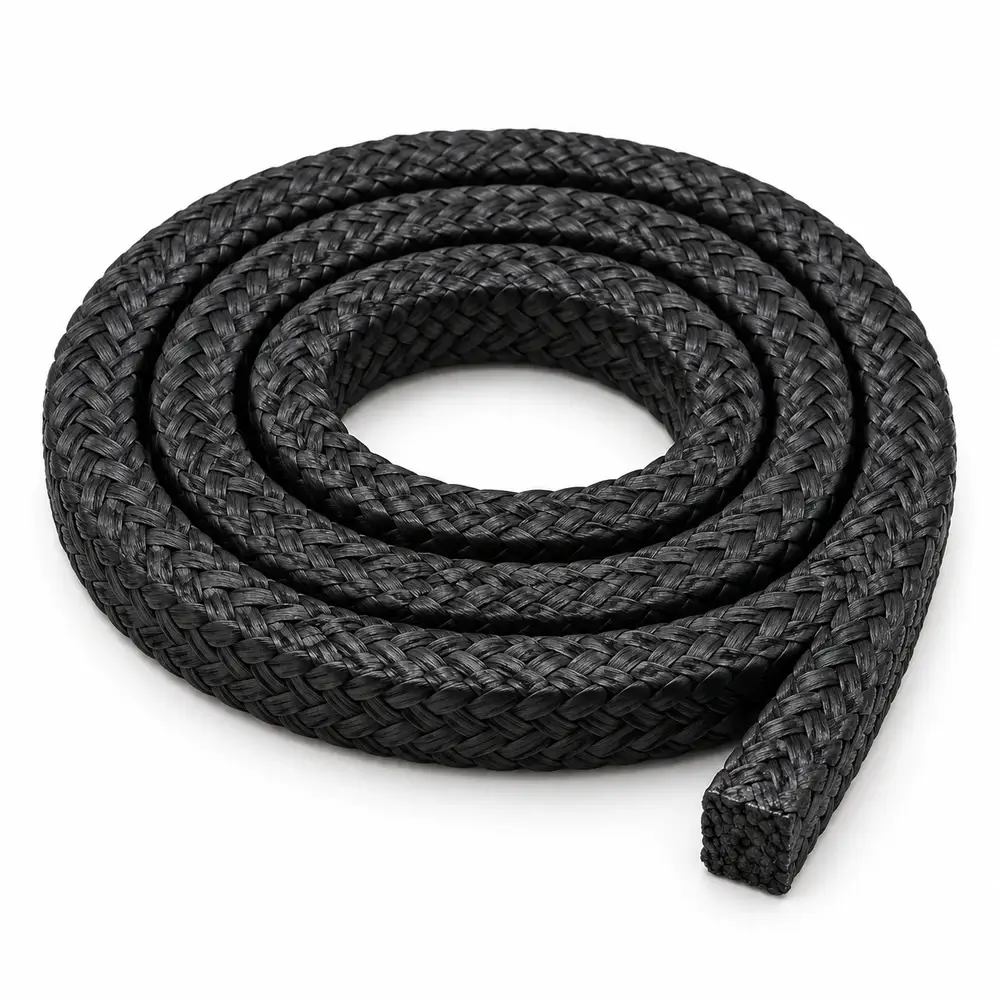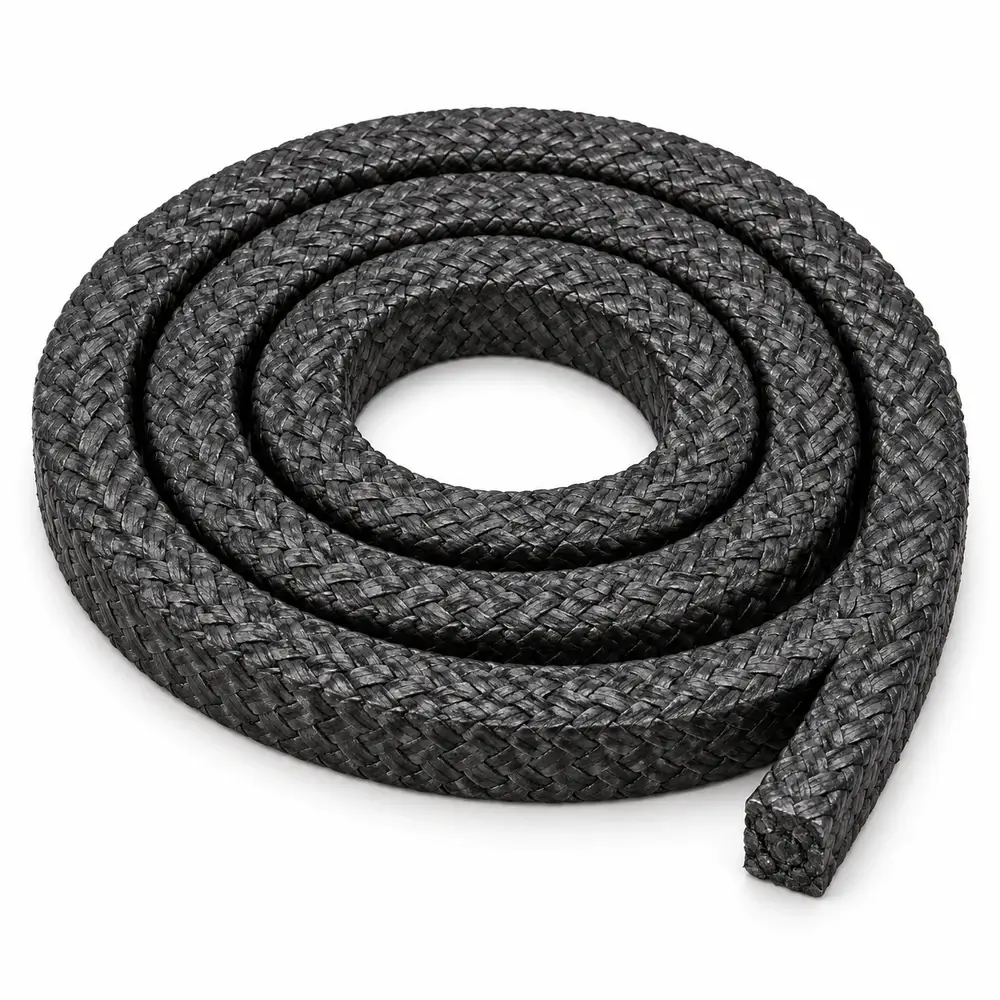

How often does Carbonized Fiber Packing with PTFE need to be replaced? For maintenance planners and procurement buyers, the question usually appears at the worst possible moment: a pump is dripping on the drip tray, a valve stem is scoring, and the next planned shutdown is already tight. There is no responsible universal calendar answer. In a clean-water pump with moderate shaft speed and steady gland adjustment, carbonized fiber packing with PTFE may run 6–12 months. In abrasive slurry, high-temperature, or aggressive chemical service, it may demand inspection in 2–4 months, sometimes sooner if leakage jumps or the gland follower runs out of travel. A buyer who orders by habit can create two costly problems at once: excess stock of the wrong size and unplanned downtime when the right packing is missing. The real replacement window is driven by operating hours, leakage control, shaft condition, packing installation quality, and the amount of adjustment reserve left. Ningbo Kaxite Sealing Materials Co., Ltd. helps purchasing teams convert these variables into a practical inspection schedule and a repeatable order specification, so the next replacement is planned rather than urgent. Use the symptom checks and parameter tables below to set a maintenance trigger, compare suppliers, and protect uptime.
Pain scene: A buyer keeps one packing size for every pump, and maintenance replaces it by calendar date. Clean-water pumps are opened too early, while abrasive slurry pumps fail between shutdowns because the real wear rate was never converted into an inspection trigger.
Solution: Treat replacement as a condition-based decision backed by operating data. Record shaft speed, pressure, temperature, media, flush water quality, leakage history, and gland adjustment reserve. Then set an inspection interval that matches the service severity. Ningbo Kaxite Sealing Materials Co., Ltd. can review these details and help procurement teams define a practical spare-parts plan.
| Service profile | Inspection trigger | Typical replacement window | Procurement note |
|---|---|---|---|
| Clean water, moderate shaft speed, stable gland adjustment | Every 500–750 operating hours or monthly leak check | 6–12 months | Keep one spare set per critical pump |
| General process water, mild chemicals | Every 400–600 operating hours | 4–8 months | Verify shaft runout and packing size before ordering |
| Abrasive slurry, high pressure, intermittent operation | Every 200–300 operating hours | 2–4 months | Confirm wear resistance and gland adjustment reserve |
| High temperature or aggressive chemical service | Every 150–250 operating hours or weekly leak check | 1–3 months | Check temperature and chemical compatibility with Kaxite |
Pain scene: The pump is still running, so no one raises a purchase request. Then leakage increases, the gland follower bottoms out, and maintenance discovers the shaft sleeve is scored. The replacement is no longer a packing job; it becomes a shaft repair and downtime event.
Solution: Train operators to report changes in leakage, gland travel, temperature, and shaft condition. A small drip can be normal for braided packing, but a drip that cannot be controlled with available gland travel is a replacement trigger. Use the checklist below during route inspections and keep the findings with the pump record.
| Symptom | What it suggests | Immediate action | Replace now? |
|---|---|---|---|
| Leakage rises and no longer responds to careful gland adjustment | Packing wear, loss of lubricant, or wrong size | Check gland travel and packing size | Yes, if adjustment reserve is nearly gone |
| Gland follower is close to the stuffing box face | Packing has compacted or worn | Plan a shutdown and prepare spare rings | Yes, before the follower bottoms out |
| Stuffing box runs hot or smokes after adjustment | Over-tightening, inadequate flush, or incompatible packing | Loosen gradually; verify flush and installation | Yes, if heat persists or packing is hardened |
| Shaft sleeve shows scoring, grooves, or heavy discoloration | Abrasive media, dry running, or worn packing | Inspect sleeve and alignment | Yes, if scoring is deep or leakage cannot be controlled |
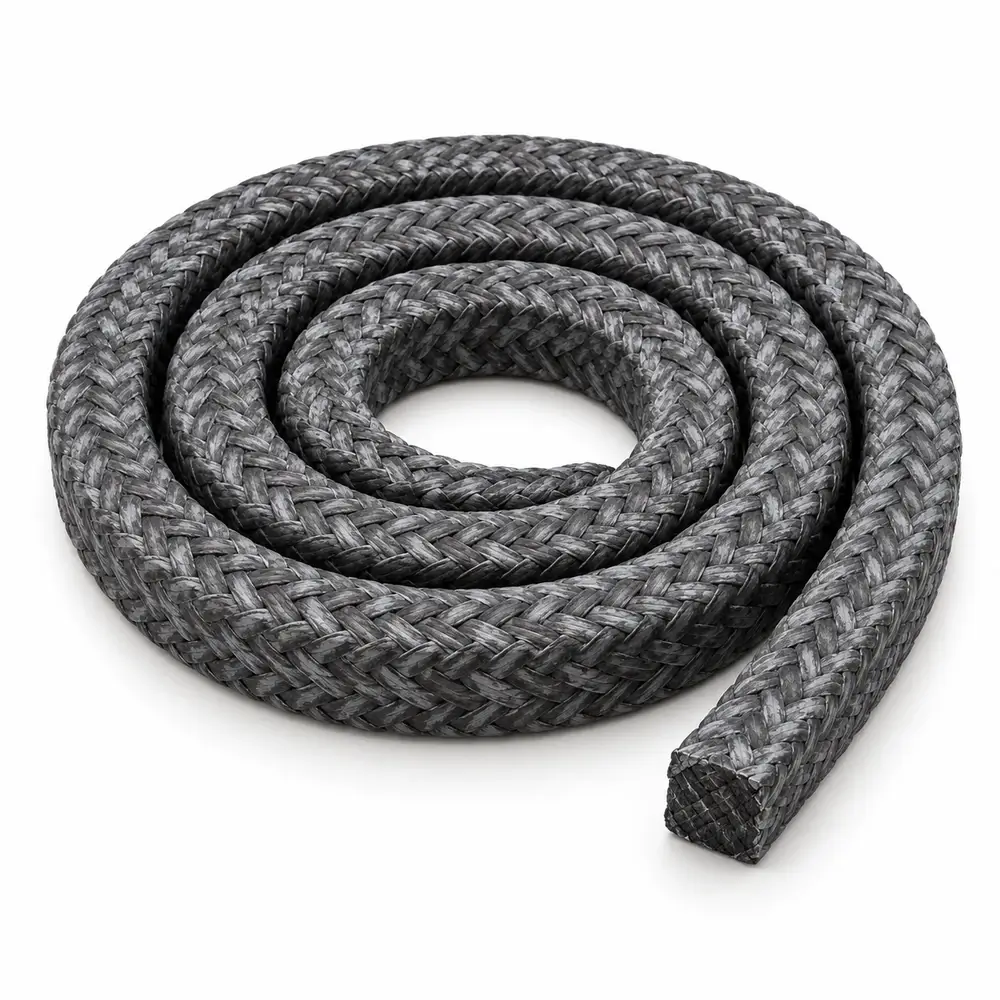
Pain scene: Procurement receives a vague request for “packing” after a leak appears, but the warehouse has three similar sizes and no one knows which one fits the pump. Expedited shipping costs more than the packing itself, and the maintenance team still loses time.
Solution: Build an inspection schedule that connects field checks to purchasing actions. The schedule does not need to be complicated; it needs to be followed and tied to a minimum stock level for critical equipment. Share the operating data with Ningbo Kaxite Sealing Materials Co., Ltd. so the replacement recommendation matches the actual service.
| Inspection point | Check point | Accept condition | Replacement trigger |
|---|---|---|---|
| Startup and break-in | Leakage, gland temperature, flush flow | Controlled drip; no smoke or rapid heating | Heat persists after correct adjustment |
| After 24–72 hours | Gland bolt tension and leakage stability | Leakage stable; gland travel remains available | Leakage climbs quickly or gland travel is short |
| Every 250–500 operating hours | Leak rate, packing temperature, vibration | No sudden trend change | Adjustment no longer controls leakage |
| Planned shutdown | Shaft sleeve, stuffing box, packing hardness | Smooth sleeve; packing flexible and intact | Crusted, hardened, or worn packing is found |
Pain scene: An RFQ lists only “carbonized fiber packing with PTFE, 10 mm.” The supplier ships a standard grade, but the pump runs abrasive slurry at high pressure. The packing fails early, and the buyer must explain why the low-price order created a repeat failure.
Solution: Give suppliers enough data to quote the right construction, size, and PTFE treatment. Ask for operating conditions, shaft hardness, media, and gland type. Ningbo Kaxite Sealing Materials Co., Ltd. supports specification review so purchasing teams compare offers on application fit, not price alone.
| Parameter | What to ask for | Why it matters |
|---|---|---|
| Equipment type | Centrifugal pump, reciprocating pump, valve stem, agitator | Controls packing style and gland design |
| Shaft speed | RPM or surface speed | Affects heat generation and wear rate |
| Pressure and temperature | bar/psi and °C/°F | Defines density and PTFE suitability |
| Media and pH | Water, slurry, chemical, steam, solids content | Prevents chemical attack and abrasive failure |
| Shaft sleeve material | Stainless steel, ceramic, hard chrome, hardness | Reduces scoring risk and sets running clearance |
| Packing size | Square section in mm or inches | Wrong size causes leakage and early failure |
Pain scene: New carbonized fiber packing with PTFE fails in weeks. The buyer assumes the material is poor, but the stuffing box was not cleaned, the rings were cut short, and the gland was tightened hard at startup. The next order repeats the same problem.
Solution: Control installation and break-in. Cut rings to the correct size, stagger joints, seat each ring, and tighten the gland gradually while watching temperature and leakage. A short break-in period protects the packing and gives maintenance a reliable baseline for future adjustment.
| Installation step | Control point | Acceptance check |
|---|---|---|
| Clean the stuffing box | Remove old packing, scale, and debris | Shaft rotates freely; no hard particles remain |
| Cut and seat rings | Square cut; stagger joints about 90 degrees | Each ring seats without forcing |
| Adjust the gland | Tighten evenly; leave adjustment reserve | Gland moves squarely; packing is not overheated |
| Break in the packing | Monitor leakage and temperature for the first shifts | Leakage stabilizes; heat remains under control |
Q1: How often does carbonized fiber packing with PTFE need to be replaced in a typical centrifugal pump?
A: In clean water and moderate shaft speed, plan on 6–12 months with regular gland checks. In abrasive slurry, high pressure, or aggressive chemical service, inspect every 200–500 operating hours and expect a 2–4 month replacement window. Replace when leakage can no longer be controlled, the gland follower runs out of travel, the packing hardens, or the shaft sleeve shows scoring. Ningbo Kaxite Sealing Materials Co., Ltd. can help confirm the interval from pump data and media conditions.
Q2: Does a small drip mean carbonized fiber packing with PTFE must be replaced immediately?
A: Not always. A controlled drip can be part of normal braided packing operation and may help lubrication and cooling. Adjust the gland gradually and watch temperature. Replace the packing when adjustment no longer reduces leakage, the gland follower is nearly bottomed out, the stuffing box overheats, or the shaft sleeve is damaged. Share photos, leakage history, pressure, temperature, and speed with Kaxite for a practical recommendation.
Have a replacement window to confirm or an RFQ to tighten? Send the pump or valve model, shaft speed, pressure, temperature, media, packing size, and current leakage issue to [email protected]. Ningbo Kaxite Sealing Materials Co., Ltd. is a sealing materials manufacturer focused on braided packing and industrial sealing solutions for pumps and valves; the company supports buyers through material selection, specification review, sample evaluation, and repeat-order consistency. Learn more at https://www.carbon-fiber-packing.com, where product data and application guidance help procurement teams compare carbonized fiber packing with PTFE and plan replacements with fewer surprises.
Selected research references
Friedrich, K., Lu, Z., & Hager, A. M. (1995). Recent advances in polymer composites’ tribology. Wear, 190(2), 139–144.
Bahadur, S. (2000). The development of transfer films and their role in polymer tribology. Wear, 245(1–2), 92–99.
Khedkar, J., Negulescu, I., & Meletis, E. I. (2002). Sliding wear behavior of PTFE composites. Wear, 252(5–6), 361–369.
Li, F., Hu, Y., & Wang, Y. (2010). Tribological properties of carbon fiber reinforced PTFE composites under dry sliding conditions. Journal of Applied Polymer Science, 117(4), 2350–2357.
Zhang, S. W., & Zhu, Y. H. (2011). Friction and wear of PTFE composites filled with carbon fibers. Tribology International, 44(7–8), 872–878.
Flitney, R. K. (2007). Sealing technology for pumps and valves: practical selection and maintenance. Sealing Technology, 2007(11), 8–12.
Müller, H. K., & Nau, B. S. (1998). Fluid sealing technology: principles and applications. Tribology Transactions, 41(3), 377–384.
Peng, X., & Wang, Q. (2013). Influence of operating conditions on braided packing performance in centrifugal pumps. Journal of Engineering Tribology, 227(9), 1015–1023.
Zhou, H., & Chen, J. (2015). Wear mechanisms of carbon fiber braided packings in slurry pump service. Industrial Lubrication and Tribology, 67(5), 447–454.
Wang, L., & Liu, Q. (2018). Gland adjustment and leakage control for PTFE-impregnated braided packings. Sealing Technology, 2018(6), 5–9.
-