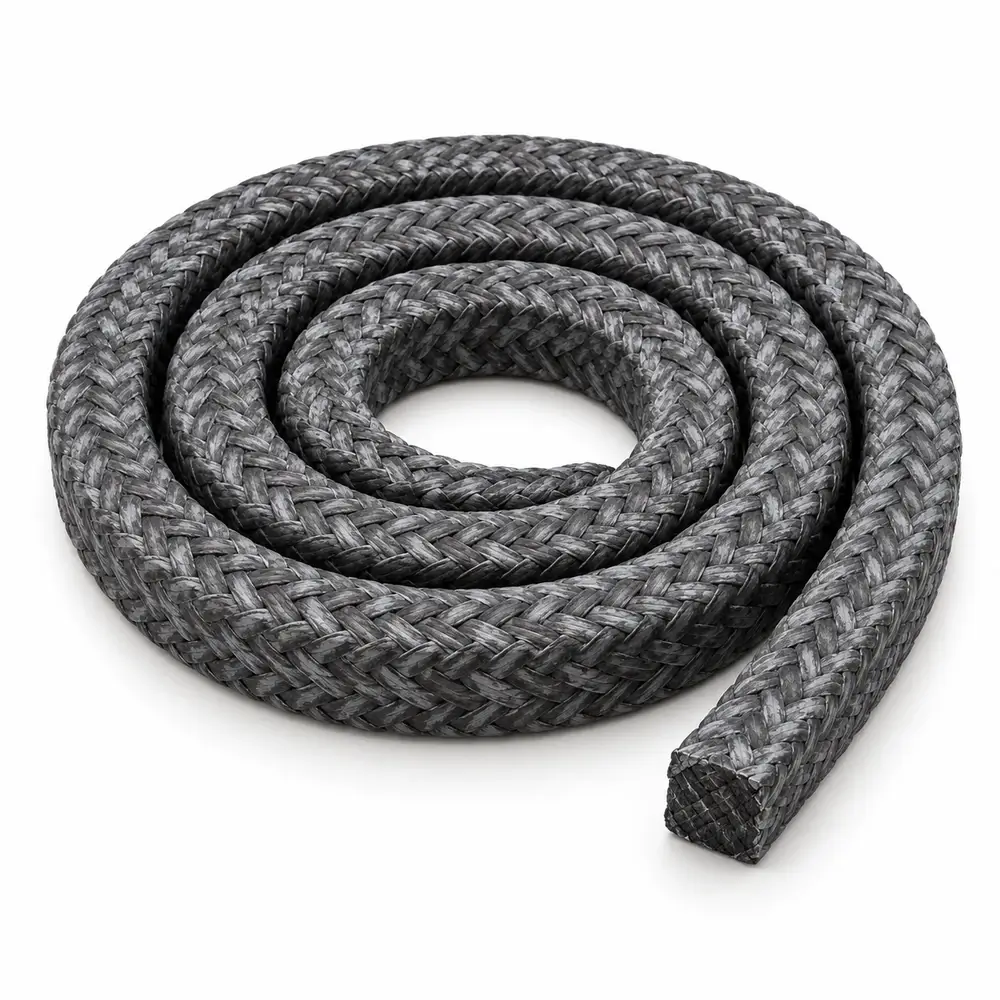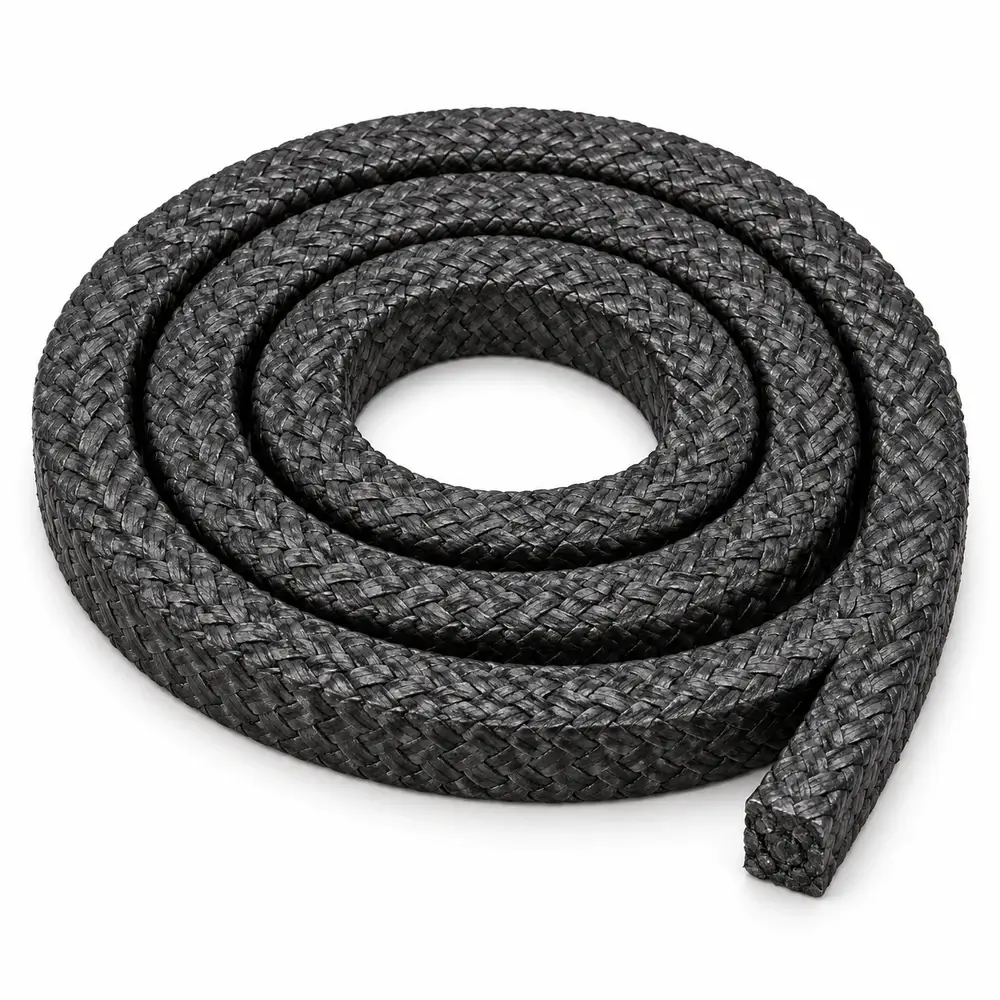

Can Carbon Fiber Packing be used with chemical media? Picture a chemical plant maintenance manager on a Friday afternoon: a caustic transfer pump is leaking, the spare packing is a generic carbon braid, and the buyer needs a fast answer before the next production run. The question is not simply yes or no. Carbon fiber packing can perform well in many chemical media because the carbon fiber core offers high strength, good thermal conductivity, and low friction, but the real answer depends on the medium, concentration, temperature, pressure, shaft speed, and the impregnation or lubricant used in the braid. Strong oxidizing agents, hot concentrated acids, and some halogen services can attack carbon or the binders, while many acids, alkalis, solvents, oils, water, and steam are handled with properly selected grades. That is why procurement teams should ask for a chemical compatibility review, not just a price per kilogram. Ningbo Kaxite Sealing Materials Co., Ltd. supports buyers with grade selection, PTFE or graphite impregnation options, sample testing, and documentation so the packing matches the pump or valve duty. This guide explains where carbon fiber packing works, where it does not, and how to specify it with confidence.
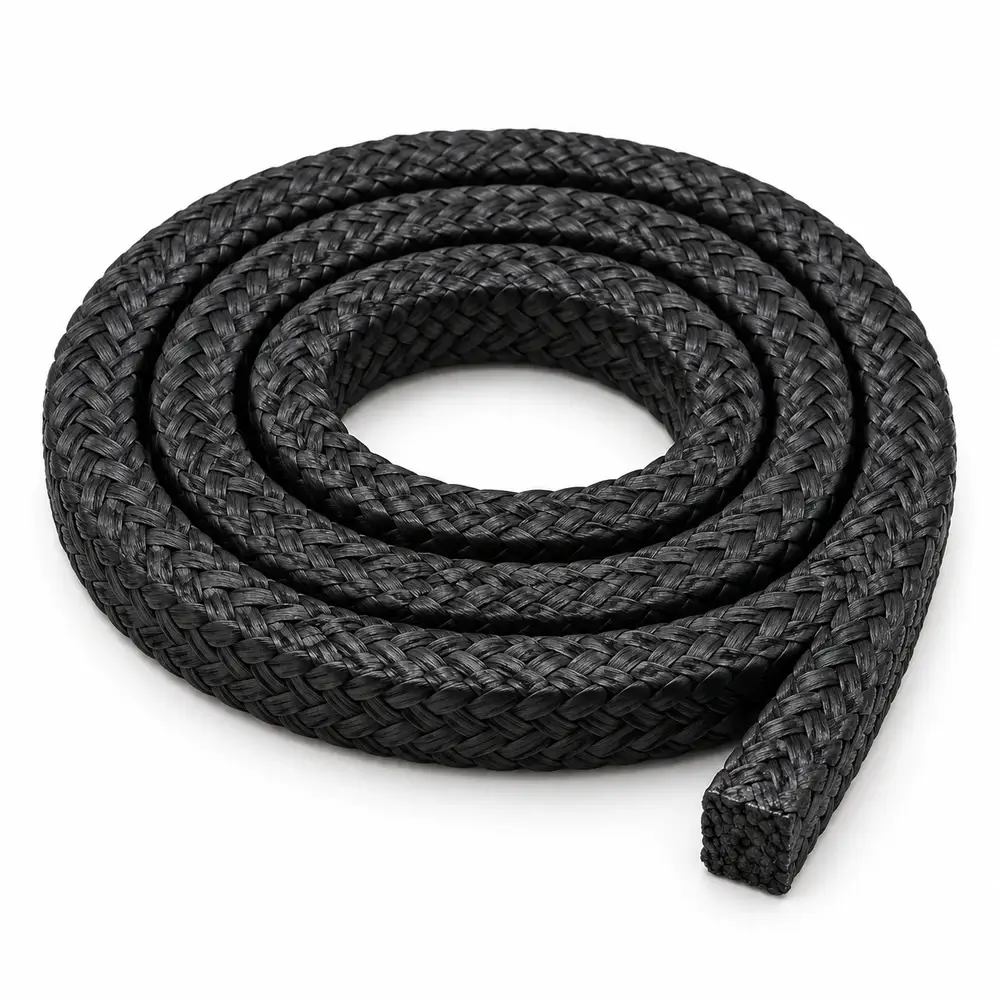
Pain point: A buyer receives a request for “chemical-resistant packing” after a pump starts weeping on a dilute acid line. The current braid looked acceptable on paper, but the datasheet only says “carbon fiber” and gives no pH limit, oxidizer warning, or impregnation detail. Maintenance blames the packing; procurement blames the supplier; production wants a quick replacement.
Solution: Treat carbon fiber packing as a family of products, not a single commodity. The carbon fiber core provides strength, heat transfer, and dimensional stability, while the impregnation and lubricant determine chemical resistance and leakage control. For many non-oxidizing chemical media, a properly selected carbon fiber packing can be a practical choice. For strong oxidizing agents, the answer may be no, or it may require a different packing style. Ningbo Kaxite Sealing Materials Co., Ltd. reviews the medium, concentration, temperature, pressure, and equipment condition before recommending a grade, so the buyer gets a documented selection rather than a guess.
| Chemical duty or medium | Compatibility with carbon fiber packing | Watch-out | Kaxite support |
|---|---|---|---|
| Water, steam, condensate | Good to excellent | Avoid dry running; control gland load | Graphite-impregnated carbon fiber packing recommendation |
| Dilute acids and alkalis | Good within confirmed pH range | Check concentration and temperature | PTFE-impregnated carbon fiber packing review |
| Oils, solvents, hydrocarbons | Good with compatible lubricant | Verify solvent effect on lubricant | Lubricant and braid structure selection |
| Strong oxidizing agents | Not recommended without testing | Carbon or binder may oxidize | Alternative packing review and sample test |
| Hot concentrated acids | Requires lab evaluation | Strength loss and leakage risk | Media-specific compatibility statement |
Pain point: A procurement officer compares three quotes for carbon fiber packing and sees a wide price gap. One quote is much cheaper, but it does not state pH range, maximum temperature, oxidizer resistance, or shaft speed. The buyer risks approving a low-cost braid that fails in a week, creating unplanned downtime and emergency purchasing costs.
Solution: Ask for a parameter-based review before purchase. Carbon fiber packing can be used with chemical media only when the duty envelope is clear. The table below shows the parameters that matter most for chemical-media service and the questions a buyer should put in the request for quotation. Ningbo Kaxite Sealing Materials Co., Ltd. can return a grade recommendation with the relevant limits, so the purchasing team can compare offers on the same technical basis.
| Parameter | Typical range to confirm | Why it matters | Procurement question |
|---|---|---|---|
| pH range | Confirm by grade; often reviewed around pH 2–12 | Acid or alkali attack can affect binder and fiber | What is the documented pH limit for this grade? |
| Temperature | Confirm continuous and peak values | Heat accelerates chemical attack and lubricant loss | What is the maximum continuous temperature in this medium? |
| Pressure | Confirm pump or valve pressure class | High pressure increases extrusion and leakage risk | Is the packing rated for the gland pressure? |
| Shaft speed | Confirm surface speed and runout | Friction heat can shorten service life | What shaft speed and runout are acceptable? |
| Oxidizer content | Identify any strong oxidizer | Carbon can oxidize in aggressive media | Is this service suitable for carbon fiber packing at all? |
| Impregnation | PTFE, graphite, or application-specific | Determines chemical resistance and friction | Which impregnation is supplied and why? |
Pain point: A purchasing team signs off on a carbon fiber packing order because the sample feels dense and the price is right. Later, the maintenance crew finds that the braid is too rigid for the stuffing box, the lubricant is not compatible with the process fluid, and the supplier cannot provide batch traceability. The buyer now owns a delivery that cannot be used safely.
Solution: Move the technical questions into the sourcing stage. A good supplier should provide a datasheet, batch certificate, recommended installation guidance, and a clear statement of chemical-media limits. For chemical service, do not accept “chemical resistant” as a standalone claim. Ningbo Kaxite Sealing Materials Co., Ltd. helps buyers define the braid structure, impregnation, size, and documentation package before the order is released, which reduces the risk of a low-cost purchase turning into a high-cost failure.
| Checkpoint | Why it matters | Evidence to request |
|---|---|---|
| Braid structure | Affects flexibility, density, and leakage path | Product datasheet with braid type and size |
| Fiber and impregnation | Controls chemical resistance and friction | Material composition statement |
| Chemical-media review | Confirms fit for the specific process fluid | Written compatibility recommendation |
| Temperature and pressure limits | Prevents extrusion, hardening, or binder loss | Rated service envelope |
| Batch traceability | Supports quality investigation and audits | Batch code and certificate of analysis |
| Sample test | Reduces risk before full-scale adoption | Sample pack and test report |
| Lead time and MOQ | Keeps maintenance and project schedules stable | Written quotation with delivery terms |
Pain point: A maintenance team installs a chemically compatible carbon fiber packing, but the gland is over-tightened to stop a visible leak. The packing overheats, the lubricant breaks down, and the pump shaft scores. The buyer is told the packing is “not chemical resistant,” when the real issue is installation and gland load control.
Solution: Compatibility is only half of the selection. The packing must be installed with clean stuffing box surfaces, correct cut lengths, staggered joints, and controlled gland load. During run-in, a small controlled leak helps cool and lubricate the packing. Ningbo Kaxite Sealing Materials Co., Ltd. provides installation guidance for chemical-duty carbon fiber packing, including recommended gland adjustment and break-in steps, so the buyer and maintenance team work from the same procedure.
| Installation parameter | Target or check | Why it matters |
|---|---|---|
| Stuffing box condition | Clean, smooth, no old packing rings | Prevents leakage paths and shaft damage |
| Ring cut and joint stagger | Square cut; joints staggered about 90° | Reduces direct leak channels |
| Gland load | Increase gradually; avoid over-tightening | Controls friction heat and lubricant loss |
| Run-in leakage | Controlled drip during break-in | Supports cooling and lubrication |
| Shaft runout | Confirm within equipment limit | Excess runout shortens packing life |
| Flush or quench | Use where process conditions require | Removes heat and abrasive particles |
Q1: Can carbon fiber packing be used with chemical media?
A1: Yes, carbon fiber packing can be used with many chemical media when the grade, impregnation, and operating envelope are correctly selected. It is often considered for water, steam, dilute acids, alkalis, oils, solvents, and hydrocarbons. It is not a universal answer for strong oxidizing agents, hot concentrated acids, or unknown mixtures. The safe purchasing step is to submit the medium, concentration, temperature, pressure, and shaft speed to Ningbo Kaxite Sealing Materials Co., Ltd. for a documented compatibility review.
Q2: How do I choose between PTFE-impregnated and graphite-impregnated carbon fiber packing for chemical service?
A2: PTFE impregnation is often selected when chemical resistance and low friction are priorities in acid or alkali duties. Graphite impregnation is often selected when heat transfer, high-temperature stability, and dry-running resistance need more attention. The final choice should be based on the chemical media list, temperature, pressure, and equipment type, not on price alone. A supplier review helps the buyer avoid a mismatch between the packing grade and the process duty.
| Question | Short answer | Next action |
|---|---|---|
| Can carbon fiber packing be used with chemical media? | Yes for many non-oxidizing duties; confirm grade and limits | Send media data to Kaxite for review |
| Which impregnation should I choose? | PTFE for chemical resistance; graphite for thermal duties | Request a grade recommendation and sample |
Pain point: A procurement team needs a reliable carbon fiber packing supplier for a chemical plant maintenance program, but the current supply chain gives inconsistent datasheets, unclear impregnation details, and slow technical responses. The buyer needs a partner who can answer chemical-media questions before the purchase order is issued.
Solution: Ningbo Kaxite Sealing Materials Co., Ltd. works with buyers to match carbon fiber packing to the chemical duty, equipment type, and documentation requirements. The company supports grade selection, sample evaluation, batch traceability, and export documentation. For chemical-media projects, the buying team can share the medium, concentration, temperature, pressure, shaft speed, and pump or valve details, and Kaxite will help define a practical packing specification.
| Support item | What the buyer receives | Why it matters |
|---|---|---|
| Chemical-media review | Grade and impregnation recommendation | Reduces trial-and-error purchasing |
| Technical datasheet | Size, construction, limits, and application notes | Supports fair quote comparison |
| Sample evaluation | Sample pack for fit and installation review | Confirms performance before bulk order |
| Batch documentation | Batch code and certificate of analysis | Supports audits and quality control |
Ningbo Kaxite Sealing Materials Co., Ltd. is a sealing materials supplier focused on practical packing solutions for pumps, valves, and industrial chemical service. The company helps procurement teams and maintenance engineers select carbon fiber packing grades, confirm chemical-media suitability, and move from technical question to quotation with clear documentation. For product details, visit https://www.carbon-fiber-packing.com, and send your chemical media list, temperature, pressure, and equipment data to [email protected] for a focused review and quotation.
Zhang, Y., Li, J., & Wang, H. (2019). Tribological performance of carbon fiber braided packings in chemical pump service. Tribology International, 132, 205–214.
Smith, R. A., & Brown, T. (2017). Chemical compatibility of PTFE-impregnated carbon fiber packings. Sealing Technology, 2017(5), 7–12.
Kumar, S., & Rao, P. V. (2020). Effect of graphite impregnation on the friction and leakage of carbon fiber packing. Wear, 456–457, 203–211.
Chen, L., Zhao, M., & Liu, Q. (2018). Oxidation resistance of carbon fiber composites in strong acid media. Journal of Applied Polymer Science, 135(18), 46231.
Patel, N., & Miller, D. (2021). Selection criteria for braided packings in chemical processing plants. Chemical Engineering & Technology, 44(9), 1681–1690.
Wang, X., & Zhou, K. (2016). Thermal conductivity and sealing performance of carbon fiber packing. Industrial Lubrication and Tribology, 68(4), 512–519.
Garcia, M. E., & Lopez, R. (2022). Failure analysis of pump packings exposed to oxidizing media. Engineering Failure Analysis, 134, 105987.
Tanaka, K., & Sato, H. (2015). Friction and wear of carbon fiber reinforced composites under wet conditions. Tribology Letters, 59(2), 34.
Robinson, P. J., & Evans, C. (2013). Gland load optimization for braided packing in chemical duty. Journal of Tribology, 135(3), 031701.
Li, W., & Huang, F. (2023). Chemical media compatibility and service life of carbon fiber packing in valves. Materials & Design, 225, 111456.
-